Gold Drops as China Buys Most in 17 Months
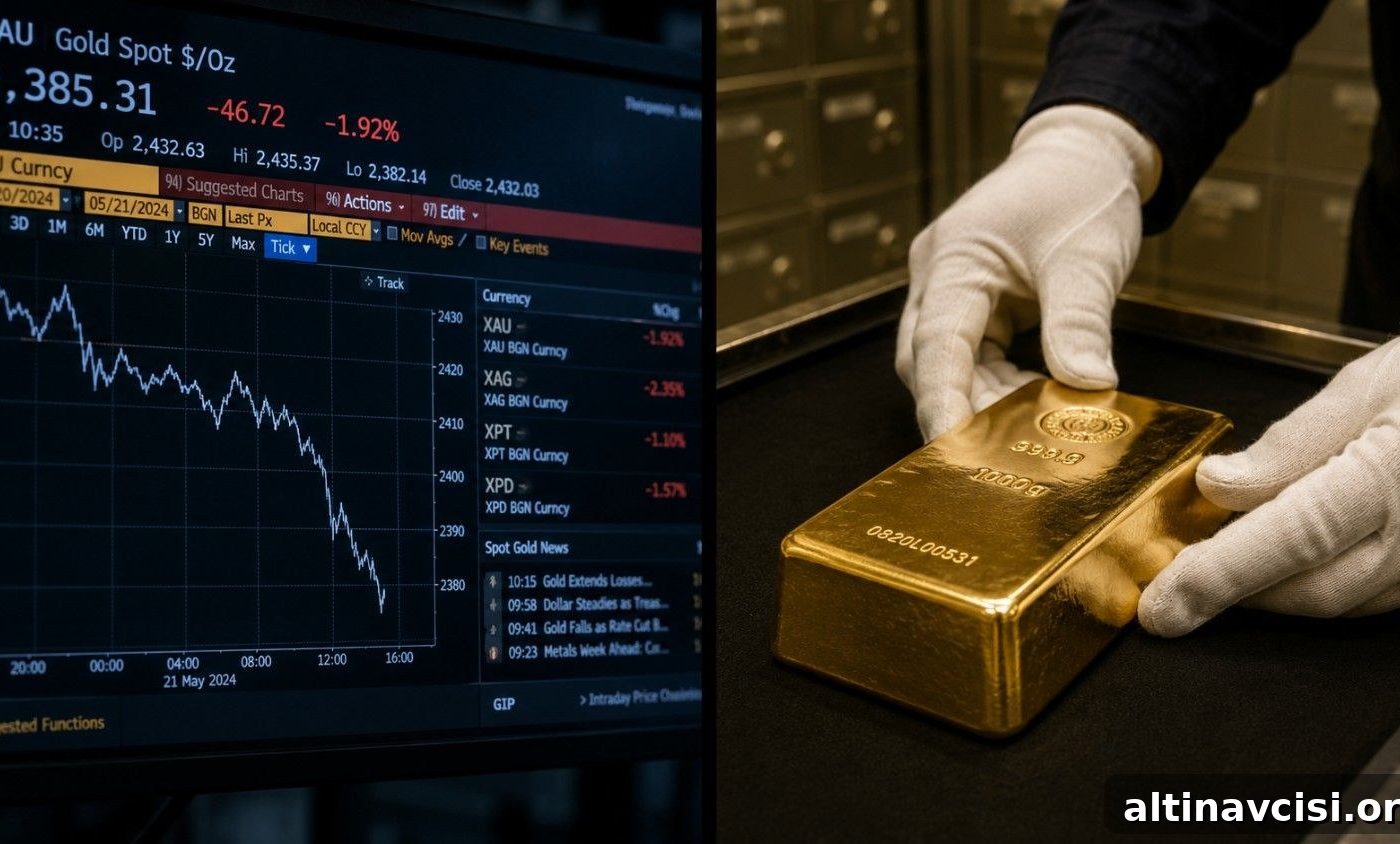
In today’s update: Gold fell 2.62% and silver dropped 8.69% as the U.S. dollar strengthened, producer prices hit a three-year high, and the Trump‑Xi summit produced no major agreement. Notably, China’s central bank increased gold purchases to a 17‑month high during the same week.
As of Friday, May 15, 2026, gold is trading near $4,530.10 per ounce and silver near $76.29 per ounce. This week’s price pressure reflected three main factors: a surging dollar, rising bond yields, and a high-profile Trump‑Xi summit that ended without significant trade or geopolitical breakthroughs. The gold/silver ratio moved from the mid‑50s to about 59.38. Those moves are meaningful in the short term but do not alter the long-term structural case for precious metals. The following explains what happened, why it matters, and what investors who think in years (not days) should watch next.
Why Is a Strong Dollar Pushing Gold Lower?
The U.S. Dollar Index (DXY) climbed toward 99 on Friday — the highest level since early April — and was on track for its best weekly gain in about two months. Because gold is priced in dollars, a stronger greenback raises the effective price for buyers who use euros, yen, yuan or other currencies. That compresses overseas demand and can trigger algorithmic and short‑term selling.
The dollar’s strength is not random. When U.S. yields rise faster than yields in other countries, capital flows toward dollar assets, which strengthens the currency. This is a genuine short‑term headwind for gold, but it is also a symptom of persistent inflation pressures — the same inflation that supports gold’s long‑term role as a store of value.
The Edge Every Investor Needs
Smarter precious metals investing starts with timely market insights: Fed updates, global trends, and clear educational context for long‑term planning.
What Did the Inflation Data Do to Gold This Week?
The selloff intensified as the week progressed. April consumer prices rose 3.8% year‑over‑year, the strongest reading since May 2023, with energy costs up roughly 17.9% year‑over‑year amid disruptions to shipping routes in the Strait of Hormuz. Producer prices surprised higher as well: April PPI showed a 6.0% annual gain — the largest year‑over‑year increase since December 2022 — and a monthly jump of 1.4%, well above consensus.
Bond markets repriced immediately. The 10‑year Treasury yield moved to the mid‑4% range — its highest level since mid‑2025 — and futures markets pushed out expectations for Fed rate cuts. According to market‑priced probabilities, prospects for a rate reduction this year diminished and the chance of further tightening by year‑end rose. The U.S. Senate also confirmed Kevin Warsh as Federal Reserve Chair, replacing Jerome Powell; that leadership change creates fresh uncertainty around policy direction, which historically supports demand for safe‑haven assets like gold over time.
Did the Trump‑Xi Summit Change Anything for Gold?
The two‑day summit in Beijing concluded with cordial statements but no major structural deal. Both leaders emphasized the importance of keeping key shipping lanes open, and China committed to a purchase of Boeing aircraft — a narrower outcome than many had priced in. With Iran negotiations unresolved and trade, Taiwan and technology tensions remaining, the geopolitical risk premium that had been built into gold ahead of the summit largely unwound when no breakthrough emerged.
That unwind was swift, but it does not eliminate underlying geopolitical and economic risks that continue to support demand for assets outside the dollar‑based financial system.
Why Did Silver Fall More Sharply Than Gold?
Silver declined by a significantly larger percentage than gold because much of the recent rally in silver was driven by anticipation of a trade boost between the United States and China. Silver is heavily used in industry — solar panels, electric vehicles, semiconductors and electronics — and roughly half of silver demand is industrial. When hopes of a comprehensive trade deal faded, that speculative, trade‑sensitive demand unwound quickly. Silver is now down notably from its May highs.
Importantly, the structural supply picture remains tight: independent industry surveys continue to forecast a multi‑year silver deficit, and above‑ground inventories have been drawn down in recent years. A week of positioning reversals does not negate those longer‑term dynamics.
If Gold Is Falling, Why Is China’s Central Bank Still Buying?
China’s central bank continued to increase official gold holdings during the same week that prices fell. According to market updates from May 2026, the People’s Bank of China added several tonnes of gold in April, marking its largest monthly purchase in many months and extending a long‑running trend of monthly additions. Official holdings now total well over two thousand tonnes and represent a growing share of China’s reserves.
Sovereign buyers like the People’s Bank of China do not time purchases to daily price moves. Their objective is strategic: to diversify reserve assets and reduce dollar exposure as they prepare for long‑term shifts in the global monetary system. Buying into a price dip is consistent with that strategy and is a meaningful signal for long‑term investors.
Five Short‑Term Headwinds. One Long‑Term Case Still Intact.
This week presented five clear short‑term headwinds for precious metals: a stronger dollar, rising 10‑year yields, hotter‑than‑expected CPI and PPI prints, a change in Fed leadership, and a major summit that produced no broad agreement. Each factor is real and contributed to the correction.
Yet the long‑term case remains intact. Elevated inflation makes immediate rate cuts unlikely. Large fiscal deficits persist. Central banks, led by a strategically active China, are increasing gold reserves. Silver continues to face structural deficits on an annual basis. Weeks like this often present opportunities for long‑term investors to add positions at more attractive prices.
Key dates to watch: the May CPI release (June 10, 2026) and the first Federal Open Market Committee meeting under Chair Kevin Warsh (June 16–17, 2026). Progress or setbacks in Iran nuclear negotiations also matter greatly because of their outsized impact on energy prices, inflation and safe‑haven demand.
SOURCES
1. Bureau of Labor Statistics — Consumer Price Index, April 2026 (released May 12, 2026).
2. Bureau of Labor Statistics — Producer Price Indexes, April 2026 (released May 13, 2026).
3. CME Group — FedWatch tool and Fed Funds futures rate probabilities.
4. Reuters reporting on U.S. Senate confirmation of Kevin Warsh as Federal Reserve Chair (May 13, 2026).
5. Currency and bond yield data from public market sources and financial data services.
6. Coverage of the Trump‑Xi summit and related reporting from major news organizations (May 15, 2026).
7. Silver Institute / Metals Focus — World Silver Survey 2026 (April 2026).
8. World Gold Council — China gold market updates (May 2026).
Disclaimer: This article is for informational purposes only and does not constitute financial or investment advice. Consult a qualified financial adviser before making investment decisions.
You May Also Like:
- Why Silver Falls Harder Than Gold — And What It Means
- Gold Near $4,700: The Chaos Isn’t a Ceiling. It’s a Floor
- Five Forces Shaping Gold and Silver at the Beijing Summit
- The Real Reason Gold Falls When Inflation Surges
- Why the Gold‑Silver Ratio Is Falling — and What It Means
- What’s Moving Gold Prices This Week: CPI, Seoul & Beijing
- Silver Jumps Before the Trump‑Xi Summit — and Why
Popular Topics
Picked from the archive
-
01
 Topics
5 Factors That Drive Gold Spot Prices
-
02
Topics
Why the Fed Says Gold Will Stay Resilient
-
03
Topics
Gold, Silver Prices Hold Steady Ahead of Jackson Hole Summit
-
04
Topics
Gold Price Drops Below 50-Day Moving Average
-
05
Topics
Dollar’s 8% Slide Boosts Gold, Commodities and Global Assets
-
06
Topics
Gold Royalties Surge as Miners Struggle with Rising Costs
-
07
Topics
Gold Prices Jump Past $4,000 as Fed Signals Rate Cut
-
08
Topics
Why a Stalled Federal Reserve Matters for Gold Prices