What Drives Gold Prices? 6 Key Factors Explained
Key Takeaways
- Six gold price drivers shape every market move: inflation and currency debasement, real interest rates, the U.S. dollar, central bank demand, geopolitical risk, and physical supply and demand. These forces act together; no single factor explains prices alone.
- Real interest rates are the most reliable short-term indicator for gold: when real rates go negative, the opportunity cost of holding gold falls and prices typically rise; when real rates climb, gold often faces downward pressure.
- Central bank purchases have been unusually strong since 2022, averaging well above historical norms and creating a structural demand floor that supports price levels even when some investors sell.
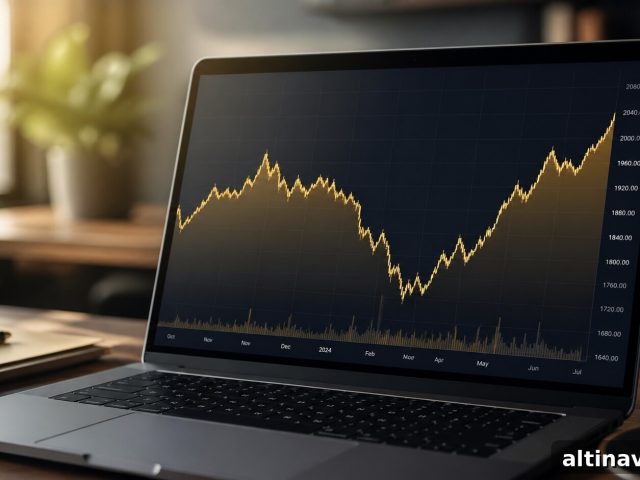
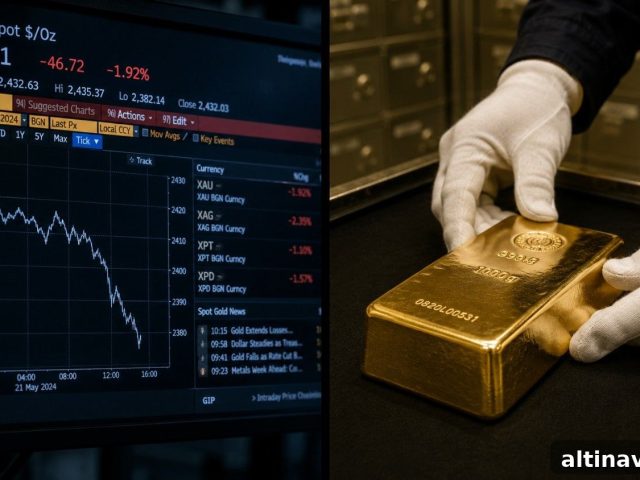
Six core factors determine moves in the gold market: inflation and currency debasement, real interest rates, the U.S. dollar, central bank demand, geopolitical risk, and physical supply and demand. Gold reached an all-time nominal high in January 2026 and then pulled back by roughly 18% from that peak. That correction can look dramatic in isolation, but it must be judged alongside the preceding multi-month rally and the underlying drivers. Understanding which factors pushed prices up and which pushed them down gives far more insight than watching daily price swings. This article explains each driver and how they interact.
What Are the Key Gold Price Factors?
Gold is unlike stocks and bonds: it produces no earnings, dividends, or cash flows. There is no cash-flow model to anchor its price. Instead, gold is primarily priced by monetary risk — by how investors, institutions, and governments view the reliability of fiat currencies, the credibility of central banks, and the stability of the financial system. When confidence in those foundations weakens, demand for gold rises; when confidence strengthens, gold can soften. All other explanations flow from that basic asymmetry.
Your Gold Buying Guide Most investors overpay when they buy gold—and often again when they sell. This guide explains which forms of gold to own, why they matter, and how to avoid common mistakes.
To request the guide, look for reputable dealers that publish transparent pricing and storage options, or consult a qualified advisor to determine what fits your goals and risk tolerance.
Does Inflation Drive Gold Prices?
Yes — but not always immediately. Inflation reduces the purchasing power of paper money while gold’s supply cannot be increased by policy. That structural difference is one of the oldest and most durable drivers of gold’s value.
This relationship operates on two levels. Cyclically, rising consumer prices push investors toward stores of value when paper money seems to lose purchasing power. Structurally, persistent fiscal deficits and sustained central bank balance sheet expansion erode fiat purchasing power over the long run, which benefits fixed-supply assets like gold.
The distinction between short-term and long-term matters. For example, rising inflation can prompt expectations of central bank rate hikes, which may strengthen the currency and temporarily pressure gold. Over decades and centuries, however, gold has preserved purchasing power far better than a nominal unit of currency.
Why Do Real Interest Rates Move Gold More Than Anything Else?
Real interest rates (nominal rates minus inflation) are the most direct short-term driver of gold. Gold pays no yield, so when real rates are deeply negative, the opportunity cost of holding gold versus bonds or cash is low and demand for gold rises. Conversely, rising positive real rates make yield-bearing assets more attractive and usually put downward pressure on gold.
This dynamic explains many of the recent moves in gold. Periods of very negative real rates have produced strong multi-year rallies in gold, while tightening monetary expectations and higher real yields have constrained price gains.
How Does the U.S. Dollar Affect the Gold Price?
Because gold is priced globally in U.S. dollars, the dollar and gold typically move in opposite directions: a stronger dollar makes gold more expensive in other currencies and tends to reduce demand, while a weaker dollar tends to boost demand for gold.
This relationship is reliable over the medium term but can break down during episodes of acute market stress, when both the dollar and gold can rise together as investors flee risk assets into safe havens. Over the long run, gold responds to the dollar’s purchasing power against goods and services, not just its exchange rate against other currencies.
Why Are Central Banks Buying So Much Gold?
Central banks buy gold as part of strategic reserve management rather than as a short-term trade. Their purchases are often price-insensitive and driven by long-term objectives like diversification, reserve security, and reducing reliance on foreign-currency reserves. That makes central bank demand a persistent structural support for prices.
Recent years have seen materially higher annual purchases by many central banks, reflecting reserve diversification and a desire to hold assets that cannot be frozen or directly affected by sanctions. Even when some retail or ETF flows move against gold, central bank demand has absorbed supply and provided a solid bid to the market.
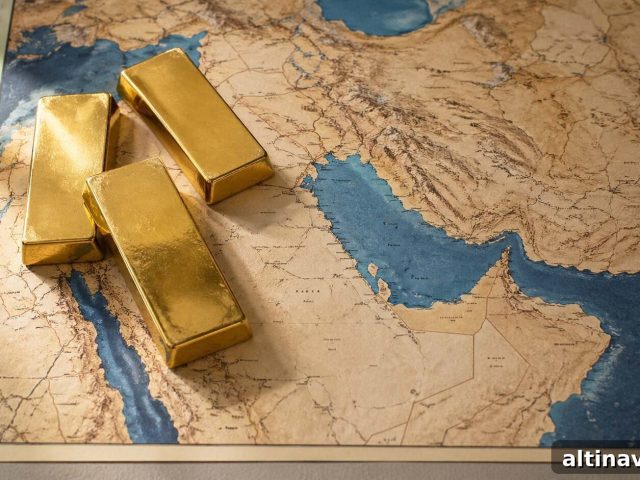
Does Geopolitical Risk Push Gold Higher?
Short-term geopolitical instability usually increases demand for assets with no counterparty risk, and gold is the largest liquid asset that meets that criterion. Spikes in uncertainty can therefore produce rapid price increases as investors seek safe value stores.
However, these fear-driven premiums tend to be temporary. Longer-lasting price support comes from structural shifts such as reserve diversification, de-dollarisation, and declining institutional trust in multilateral systems. Headlines can trigger moves; structural trends sustain them.
How Does Mine Supply Affect the Gold Price?
Mine supply is relatively inelastic. Gold production is constrained by geology, long lead times for new projects, capital intensity, and permitting. As a result, supply does not surge quickly in response to higher prices the way it can for many industrial commodities.
Recent global production growth has been modest, and most demand-driven price moves reflect changes in demand more than rapid changes in supply. Physical demand divides into jewellery, technology, and investment; jewellery demand tends to be price-sensitive, while investment demand (bars and coins) and central bank buying can be much more price-insensitive and decisive for overall totals.
Stay On Top of Gold & Silver Prices
Get important market alerts sent straight to your inbox.
People Also Ask
Why does gold go up when inflation rises?
Gold often rises in inflationary periods because its supply is fixed and cannot be increased by monetary policy, while fiat currency supply can expand. When central banks expand balances or governments run persistent deficits, paper currency typically loses purchasing power over time, and gold tends to preserve value better than a nominal unit of currency.
What is the relationship between gold prices and the U.S. dollar?
Gold is priced in U.S. dollars, so a stronger dollar generally reduces gold demand from holders of other currencies and tends to push prices lower, while a weaker dollar can boost demand. During extreme stress, however, both gold and the dollar may rise together as investors seek safe-haven assets.
How do Federal Reserve interest rate decisions affect gold?
Fed decisions affect gold indirectly by changing nominal rates and through expectations about real yields. If policy pushes real yields higher, the opportunity cost of holding non-yielding gold increases; easing or rate cuts that lower real yields tend to be supportive for gold.
Why are central banks buying so much gold?
Central banks have been increasing gold holdings to diversify reserves, reduce dependence on any single currency, and protect against the risks of assets held in foreign jurisdictions. These purchases reflect long-term reserve strategy rather than short-term trading.
Does geopolitical conflict always push gold prices higher?
Not always and not permanently. Conflict typically raises demand for assets with no counterparty risk and pushes gold higher in the near term, but the fear premium can fade as uncertainty eases. Structural drivers are what sustain price levels over the long run.
Now You Know What Moves Gold — Here’s What to Do With That
Many readers begin researching gold after a headline or a big price move. That curiosity is worthwhile. The six factors outlined above provide a repeatable framework for interpreting future moves, so you can form your own view rather than relying solely on secondhand commentary.
The structural case for gold remains intact in many scenarios: inflation above central bank targets, elevated central bank buying, and gradual declines in currency purchasing power. These are slow-moving forces, which is why they create durable support rather than short-lived spikes.
If owning physical gold is something you’re considering, focus on transparent pricing, secure storage options, and reputable dealers. Consult an independent financial advisor to determine how a position in physical gold fits with your broader financial plan and risk tolerance.
SOURCES
1. Yahoo Finance — Gold forecast and tracker: Where will prices land in 2026?
2. Trading Economics — Gold price historical data
3. Bureau of Labor Statistics — Consumer Price Index Summary, April 2026
4. GoldSilver.com — Gold vs Inflation: What 100 Years of Data Shows
5. World Gold Council — Gold Demand Trends: Full Year 2025
6. World Gold Council — Central Banks: Gold Demand Trends Full Year 2025
7. GoldSilver.com — Why Central Banks Are Buying Gold Again
8. GoldSilver.com — Dollar vs Gold Relationship: Why They Often Move in Opposite Directions
Disclaimer: This article is for informational and educational purposes only. It does not constitute investment advice. Consult a qualified financial adviser before making any investment decisions.
You may also like:
- World Bank: Precious Metals to Surge 42% This Year
- Silver Price Outlook May 2026: Stop Chasing the Number
- Dollar Dominance Is Fading. Gold and Silver Are Paying Attention.
- GoldSilver: Home Storage and Vault in One Account
- The Bond King’s Golden Signal: Jeffrey Gundlach on Gold
- Gold Price Outlook May 2026: Why Institutional Forecasters Still See $5,000
- India’s ‘Patriotic’ Gold Buying Freeze: What It Means for Prices
- How to Time Your Gold & Silver Buys Using Technical Analysis
Popular Topics
Picked from the archive
-
01
 Topics
Why Ray Dalio Recommends 5-15% of Your Portfolio in Gold
-
02
Topics
Gold and Silver Price Drop: Correction or Reversal?
-
03
Topics
US Q2 GDP Rises as Falling Imports Mask Weak Domestic Demand
-
04
Topics
Gold Drops as China Buys Most in 17 Months
-
05
Topics
Iran Blinked: Powell’s One Word Will Decide the Next Move
-
06
Topics
Gold Prices Rise for Seventh Week as Jobs Data Goes Dark
-
07
Topics
Is Gold Overpriced or Undervalued? What 3 Models Reveal
-
08
Topics
Gold Prices Jump as Fed Rate-Cut Odds Climb to 74 Percent