Gold and Silver Price Drop: Correction or Reversal?
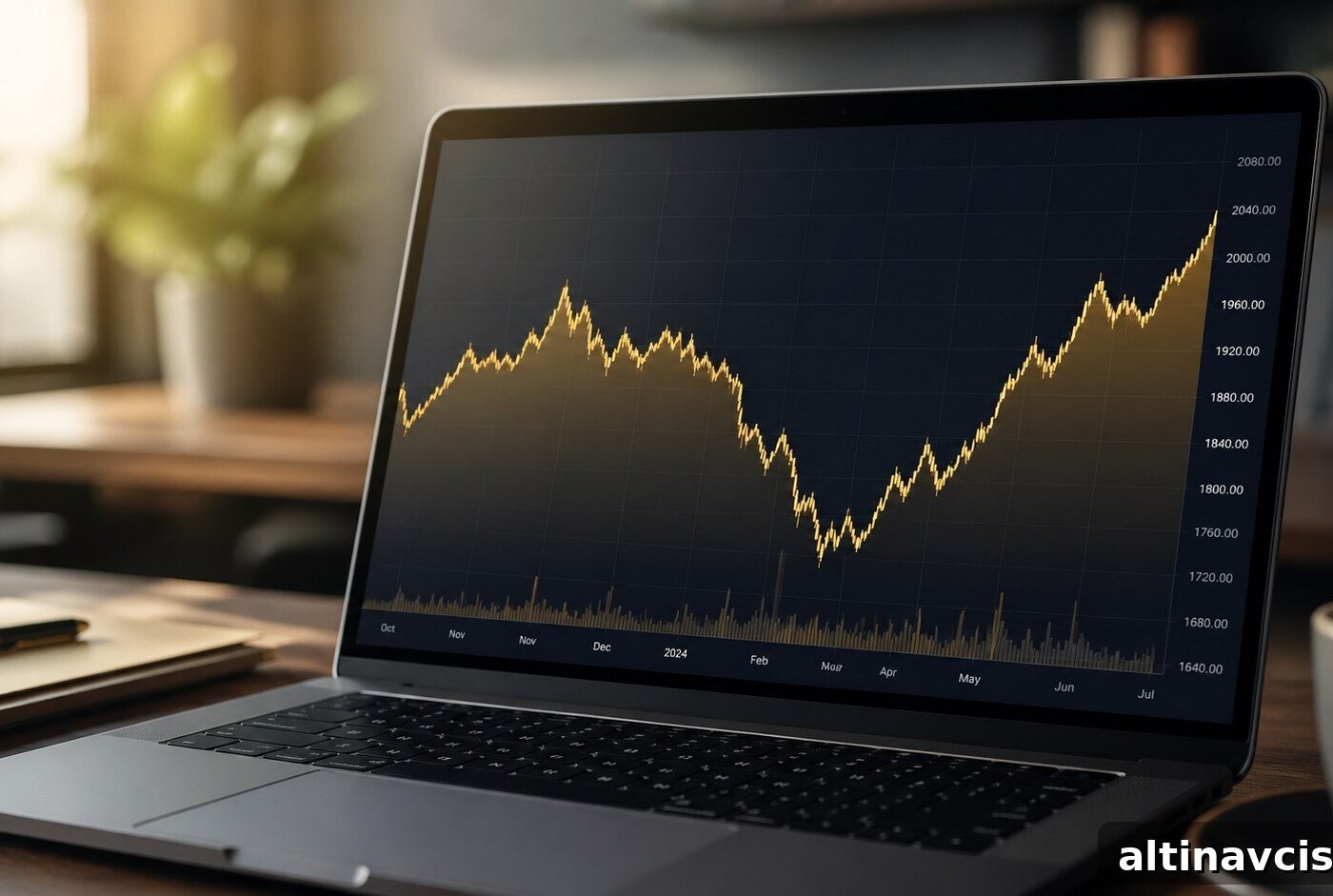
A temporary dip in gold or silver prices is typically a brief pullback inside a longer-term uptrend—normal, often healthy, and frequently a buying opportunity. A trend reversal is different: it reflects a deeper, structural change in the macro environment that requires re-evaluating your position. Context is the decisive factor. If real yields are not rising markedly, the US dollar is not in a sustained uptrend, and central banks continue to add to their gold reserves, then most price declines are likely corrections rather than the start of a broader decline.
When gold or silver drops sharply, investors face a key, time-sensitive question: is this a short-term price dip or the beginning of a trend reversal?
The distinction matters. Pullbacks inside a lasting uptrend allow disciplined investors to add at lower prices. A genuine reversal, by contrast, signals a change in the underlying drivers of the market and calls for a reassessment of strategy.
At the moment of fast declines—2%, 3% or more over a few days—the two scenarios often feel the same. Newer investors frequently react emotionally: they sell, pause contributions, or abandon a plan. Experienced investors, however, focus on the signal rather than the noise.
What Is a Gold or Silver Price Dip?
A gold or silver price dip is a short-term decline that occurs within a longer-term upward trend—not a structural reversal. The difference rests on duration, depth and cause. Typical pullbacks in gold are modest—often 1%–3% over several days. Silver is more volatile, so 2%–5% pullbacks are common.
Pullbacks serve important market functions: they clear speculative excess, rebalance crowded positions and create lower-cost entry points for long-term investors. In many cases, these dips are healthy and necessary.
Common triggers include:
- Rising Treasury yields: Gold and silver do not pay interest. When US Treasury yields climb—especially real, inflation-adjusted yields—the opportunity cost of holding non-yielding metals rises, and capital may rotate into yield-bearing assets.
- A stronger US dollar: Gold is priced in US dollars globally. A firmer dollar makes gold more expensive for buyers using other currencies, which can reduce demand and pressure prices.
- Profit-taking after a rally: Large rallies often lead traders to lock in gains and unwind crowded long positions, producing a corrective move even when the long-term investment case remains intact.
- Sentiment extremes: Overly one-sided bullishness makes markets fragile. Small catalysts can trigger outsized declines that reset positioning before the next leg up.
Knowing why prices are slipping is far more useful than simply noting that they have fallen.

Your Gold Buying Guide Many investors pay too much when buying gold and then again when they sell. This guide explains what to own and why, with practical advice to avoid common mistakes.
Free guide available on the original site. (Signup form removed from this version.)
How Do Gold and Silver Behave Differently During a Correction?
One of the clearest signals during a pullback is how gold and silver move relative to each other. Silver is structurally more volatile than gold: its market is smaller, it responds more to industrial demand cycles, and it attracts more speculative trading. This higher volatility means silver usually falls faster and farther during risk-off episodes, but it also tends to rebound more strongly when sentiment recovers.
Historical examples make the pattern clear: in years where risk aversion dominated, silver underperformed materially; during favorable conditions, silver often outpaced gold. That risk-reward trade-off is why many investors use silver selectively and expect larger swings.
The gold-to-silver ratio—how many ounces of silver are required to buy one ounce of gold—helps track this divergence. When the ratio rises during a pullback, silver is lagging, typically due to short-term risk aversion rather than a permanent change in fundamentals. Over time the ratio can swing widely, creating tactical opportunities for investors deciding how to allocate between metals.
Savvy investors treat the ratio as an active allocation tool, not merely a statistic to observe.
How Do You Tell a Healthy Correction from a Real Warning Sign?
Not every dip is a buying signal. Differentiating a healthy correction from a worrying reversal is what separates methodical investors from reactionary ones.
A pullback is likely a healthy correction when:
- The decline follows a rapid, momentum-driven rally rather than a change in fundamentals
- Retail participation was high heading into the decline
- The macro environment—yields, dollar strength, central bank stance—has not shifted materially
- Gold holds near established support while silver does most of the underperforming
A pullback could signal deeper risk when:
- Real yields are rising on a sustained basis
- The US dollar strengthens persistently with no clear reason to reverse
- Major central banks, notably the Federal Reserve, signal a durable shift toward tighter policy
- Prices break major technical supports on meaningful volume
- Institutional investors, not only retail traders, are cutting exposure to precious metals
The central question remains: has the macro case for gold and silver changed? Central bank behavior is a powerful structural signal. Recent years saw elevated official accumulation of gold; sustained buying by central banks during a dip usually indicates the pullback is short-term positioning, not a structural collapse in demand.
What Should You Do When Gold or Silver Takes a Dip?
Avoid binary choices—panic selling or trying to time the exact bottom. Both are poor long-term strategies.
Scale into positions. No one reliably times the bottom. Building positions in tranches reduces timing risk and lowers average cost over time.
Review allocation. Use a dip as a natural checkpoint. Conservative investors often hold gold for stability—commonly 8–10% of a diversified portfolio—while more aggressive allocations may include a larger silver exposure to capture higher potential upside.
Prioritize gold over silver when signals are unclear. Gold tends to offer steadier support and lower volatility. Silver can deliver greater gains but requires a longer horizon and tolerance for swings.
Use dollar-cost averaging. Regular, fixed purchases—monthly or quarterly—smooth out volatility and remove the stress of market timing. It rarely results in the absolute best entry but is consistently effective for long-term investors.
If you want detailed allocation frameworks—conservative, moderate, and aggressive—consult comprehensive investment guides that explain both the reasoning and practical implementation.
Stay On Top of Gold & Silver Prices
Receive timely market alerts and commentary by email.
Signup form removed from this version. Visit the original site to subscribe for alerts.
People Also Ask
What is a gold or silver pullback? A pullback is a short-lived decline inside a longer-term uptrend rather than a trend reversal. In precious metals, pullbacks usually last days to weeks and are triggered by factors such as rising Treasury yields, a stronger US dollar or profit-taking. The core investment case remains unchanged in a classic pullback.
Why does silver fall more than gold during a pullback? Silver’s market is smaller, it is more tied to industrial demand, and it attracts more speculative flows. These characteristics make silver more sensitive to risk-off moves, producing larger declines in bad periods and larger gains when conditions improve.
Is it a good time to buy gold when prices dip? Often yes—provided the macro backdrop still favors precious metals. Key indicators include low or steady real yields, persistent inflationary pressures and continued central bank accumulation. When those conditions hold, buying on weakness and using dollar-cost averaging are sensible approaches.
What is the gold-to-silver ratio and why does it matter during a pullback? The ratio measures how many ounces of silver are needed to buy one ounce of gold. When it rises during a pullback, silver is underperforming gold, typically because of short-term risk aversion. Elevated ratios can create tactical opportunities, as history shows periods of subsequent silver outperformance.
How do I know if a gold price drop is a correction or a trend reversal? Look to the macro drivers. A drop is likely a correction if it follows a momentum-driven rally, real yields remain subdued, the dollar is not in a sustained uptrend and gold holds important supports. It may be a reversal if institutions cut exposure, the Fed pivots firmly to tighter policy, or price breaks major support with heavy volume.
Dips Are Normal. Reversals Are Rare.
Every major gold bull market has experienced significant pullbacks. Investors who understood the macro picture and used dips to add to positions were often rewarded as prices recovered and reached new highs.
Silver behaves similarly but with larger swings. Its higher volatility makes corrections feel sharper, yet recoveries can be more powerful for those with a multi-year view.
Successful precious-metals investing is not about avoiding volatility, but about distinguishing between a market pausing and a market changing direction—and having the discipline to act accordingly.
Disclaimer: This article is for informational and educational purposes only and does not constitute investment advice. Consult a qualified financial adviser before making investment decisions.
SOURCES
1. World Gold Council — Are Fiscal Concerns Driving Gold?
2. World Gold Council — Gold the Safe Haven Versus Silver the Wildcard
3. LBMA — Precious Metal Prices: Historical Annual Data
4. World Gold Council — Central Bank Gold Reserves Survey 2025
You may also like:
- What Switzerland’s Gold Freeze Means for Investors
- What History Shows About Buying Gold After a Pullback
- Should You Sell Gold During a Bull Market Pullback?
- Silver Bullion Buying Guide 2026: Coins, Bars, and Rounds Compared
- Is Gold Still a Strategic Asset for Your Portfolio?
- Best Gold Investment in 2026: Bars, Coins, IRA or ETF?
- What Happens to Gold When the Dollar Crashes?
- Gold Fell During a War. So Is It Really a Safe Haven?
Popular Topics
Picked from the archive
-
01
 Topics
Federal Reserve Pauses While Debt Soars: Gold Outlook
-
02
Topics
Treasury Secretary Urges Fed Rate Cut After Revised Jobs Report
-
03
Topics
Why Metals Led Markets in 2025 and What It Means for 2026
-
04
Topics
Numismatic vs Bullion Coins: Which Should You Buy?
-
05
Topics
How the Current Gold Rally Compares to Past Bull Markets
-
06
Topics
World Gold Council: Gold Nears Technical Break as Markets Stall
-
07
Topics
Central Bank Gold Sales and Their Impact on Prices
-
08
Topics
Gold at $3,400 as Markets Await Aug 28, 2025 PCE Data