Why the Fed Says Gold Will Stay Resilient

Key Takeaways
- The Fed’s April minutes showed four dissents — the most since 1992 — yet gold remained above $4,500, suggesting markets see a structural limit to how far the Fed can tighten.
- With roughly $39 trillion in federal debt and more than $1 trillion in annual interest payments, fiscal pressures are constraining the Fed’s ability to keep raising rates.
- Silver’s strong outperformance versus gold, with the gold-silver ratio falling below 60, points to sustained industrial demand and a market signal that goes beyond a short-term trade.
Let’s begin with the number that many expected would push gold lower.
The Federal Reserve published the minutes from its April 28–29 meeting — the final meeting chaired by Jerome Powell. The minutes show a committee divided: while the decision to hold rates was 11–1, there were four dissents in total, a level of disagreement not seen since 1992. Three regional presidents — Beth Hammack (Cleveland), Neel Kashkari (Minneapolis), and Lorie Logan (Dallas) — argued for removing the easing bias, while Governor Stephen Miran dissented in the opposite direction, advocating for a 25-basis-point cut.
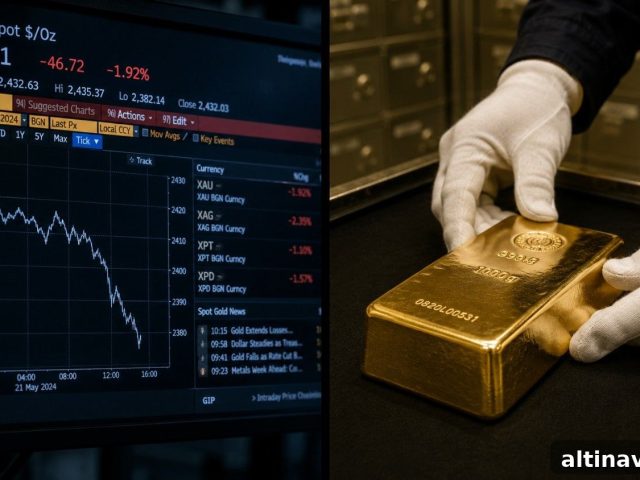
Those minutes pushed the dollar to a six-week high and helped the 10-year Treasury yield move back toward 4.62%. The CME FedWatch tool updated odds for a December hike to about 40%, up from roughly 10% six weeks prior, and showed little probability priced in for a cut in 2026. By conventional market logic, those developments should have pressured gold lower. Instead, gold held near ~$4,546, illustrating that other forces are at work.

The Edge Every Investor Needs
Smarter precious metals investing starts here. The Nuggets Newsletter brings essential market insights, Fed updates, global trends, and educational resources.
What Is Fiscal Dominance — and Why Is It Keeping Gold Elevated?
The explanation is straightforward: fiscal dominance. That term describes a situation in which the government’s large debt burden limits the central bank’s room for independent monetary policy. The United States is carrying roughly $39 trillion of federal debt (US Treasury, April 2026) and last year saw annual interest payments exceed $1 trillion for the first time in history. Over the coming year the government must roll a very large volume of maturing debt — at significantly higher interest rates than previous issuance.
When debt and deficits reach this scale, further rate increases inflict more pain on the Treasury market — increasing interest costs and pressuring fiscal stability — than they do in terms of cooling inflation. In other words, a sustained campaign of rate hikes can become self-defeating because it accelerates fiscal strain. That constraint acts as a structural ceiling on how high rates can realistically go without provoking broader market stress.
Gold appears to be pricing in that ceiling. Market participants are not ignoring the Fed minutes; they are reading them in the context of fiscal realities. The implication is that even if the Fed signals it could raise rates, the balance of fiscal risks makes aggressive tightening less credible to investors — and that credibility gap supports gold.
Can Kevin Warsh Actually Tighten With a Fractured FOMC?
Although the minutes reflect decisions made under Jerome Powell, the newly sworn-in chair, Kevin Warsh, now faces the policy consequences. Warsh inherits a committee that is ideologically split: a group leaning toward removing the easing bias and a dissenter urging an immediate cut. That makes decisive movement in either direction politically and operationally difficult.
Given the fiscal backdrop, the most realistic path may be to hold policy rates even while inflation remains above the 2% target. That outcome equates to financial repression: keeping real interest rates low or negative so that debt burdens are effectively reduced over time through modest inflation and restrained nominal yields. Financial repression has historically favored borrowers over savers, and it is an environment in which tangible assets like physical precious metals tend to retain value.
Why Is Silver Outperforming Gold Today?
As of 1:43pm ET on May 21, 2026, silver was up about 1.26% while gold rose roughly 0.07% — an 18-to-1 outperformance. The gold-silver ratio compressed to 59.2 from near 62 earlier in the week. Historically, when the ratio falls below 60 it often signals confidence in industrial demand for silver, rather than a pure safe-haven surge.
Silver has important industrial uses — in solar panels, electronics, and battery systems — and those sectors are providing a firm underlying floor for price. This dynamic suggests the move in silver is being driven by physical demand and end-use fundamentals rather than only speculative flows. For investors, that distinction matters: it points to a supply-and-demand story that may be more durable than a short-term trading spike.
What Should Precious Metals Investors Watch Next?
The next important data point is the University of Michigan’s consumer inflation expectations print. If consumers expect inflation to remain elevated, real yields (nominal yields minus inflation expectations) will likely compress further, a condition supportive of higher gold prices. If expectations fall, that could bolster the case for later rate hikes and introduce near-term downside pressure on precious metals.
Ultimately, the key takeaway is this: markets are not ignoring the Fed’s rhetoric, but they are weighing it alongside a stark fiscal reality. That judgment is what separates treating gold as a short-term trade from holding it as a longer-term conviction. For investors in precious metals, monitoring fiscal headlines, Treasury issuance schedules, yield moves, and inflation expectations will remain essential.
SOURCES
1. nFusion Solutions — Gold & Silver Spot Price API
2. US Department of the Treasury — Daily Par Yield Curve Rates
3. Federal Reserve — Minutes of the FOMC, April 28–29, 2026
4. Federal Reserve — FOMC Rate Decision & Dissents, April 29, 2026
5. CME Group — FedWatch Tool: December 2026 Rate Hike Probability
6. US Treasury Fiscal Data — Debt to the Penny (April 2026)
7. Committee for a Responsible Federal Budget — Trillion-Dollar Interest Payments Are the New Norm
Disclaimer: This article is for informational purposes only and does not constitute financial or investment advice. Always consult a qualified financial adviser before making investment decisions.
You May Also Like:
- Why London Still Sets the Gold Price — and Asia Doesn’t
- Gold Price at ~$4,502: Is the Dip a Buy? BofA Says $6,000
- Gold Didn’t Fall on Iran Peace News. That’s the Point.
- Trump Called Off the Strike. Gold’s Real Risk Is Still $39 Trillion.
- The Gold Market Is Mostly Paper. Dubai Disagrees.
- The Institutions Are Buying. Yields Are Rising. What Does That Tell You?
- Gold Up 40% in a Year. The Moody’s Downgrade Explains Why.
- No Deal, No Premium: Why Silver Fell 7% at the Trump–Xi Summit
Popular Topics
Picked from the archive
-
01
 Topics
Why Ray Dalio Recommends 5-15% of Your Portfolio in Gold
-
02
Topics
Gold and Silver Price Drop: Correction or Reversal?
-
03
Topics
US Q2 GDP Rises as Falling Imports Mask Weak Domestic Demand
-
04
Topics
Gold Drops as China Buys Most in 17 Months
-
05
Topics
Iran Blinked: Powell’s One Word Will Decide the Next Move
-
06
Topics
Gold Prices Rise for Seventh Week as Jobs Data Goes Dark
-
07
Topics
Is Gold Overpriced or Undervalued? What 3 Models Reveal
-
08
Topics
Gold Prices Jump as Fed Rate-Cut Odds Climb to 74 Percent