5 Factors That Drive Gold Spot Prices
The spot price of gold moves constantly, reflecting an ongoing contest between economic forces, policy decisions, and global risk events. For investors, the most useful approach is to understand the core gold price drivers that underlie those short-term swings. Knowing these fundamentals explains past price behavior and helps anticipate future trends, making gold a more effective component of a diversified portfolio.
Gold’s spot price updates throughout trading hours and responds rapidly to economic releases, central bank announcements, and geopolitical news. Below is a clear, practical breakdown of the five primary drivers that regularly shape gold prices.
1. Federal Reserve Interest Rate Decisions and Monetary Policy
The Federal Reserve is often the single most influential force on gold prices. When the Fed raises interest rates, gold typically faces downward pressure because higher yields on Treasuries and savings make non-yielding assets less attractive. Conversely, rate cuts or dovish signals from the Fed generally boost gold demand.
Market expectations matter as much as actual moves. Traders dissect Fed statements, minutes, and economic projections for any hint of future policy. Even small shifts in phrasing about inflation or growth can trigger quick price reactions in gold markets.
Recent years have shown a nuanced relationship between rates and gold. Historically, rising real rates tended to hurt gold. But if rate hikes increase concerns about debt sustainability or recession risk, gold can rally even as rates climb. That means monetary policy can act as either a headwind or a tailwind depending on the broader economic context.
2. US Dollar Strength and Currency Fluctuations
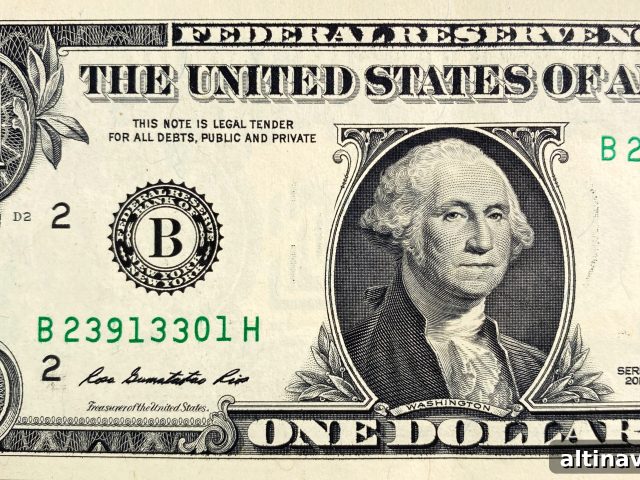
Because gold is priced in US dollars worldwide, the dollar’s direction strongly influences gold. A stronger dollar generally pushes gold lower by making it more expensive for holders of other currencies. A weaker dollar tends to lift gold by improving affordability for international buyers.
Investors frequently watch the Dollar Index (DXY), which tracks the dollar against a basket of major currencies. Significant moves in the DXY often precede corresponding swings in gold prices. Currency dynamics in major consuming countries also matter: when local currencies weaken against the dollar, demand for gold in places like India and China can rise sharply as people seek to protect wealth from depreciation.
In short, the US dollar is one of the most consistent drivers of short- and medium-term gold performance.
3. Inflation Data and Economic Indicators
Gold is widely regarded as an inflation hedge. When inflation rises, the purchasing power of cash declines, and many investors turn to gold as a store of value. Key releases such as the Consumer Price Index (CPI) and Producer Price Index (PPI) are closely watched because they often trigger immediate moves in gold markets.
There is, however, a trade-off: heavy inflation may prompt central banks to raise rates, which can temporarily reduce gold’s appeal as investors shift into higher-yielding assets. If monetary policy lags and inflation remains elevated, gold often rallies sharply. Other economic indicators—GDP growth, employment data, and consumer sentiment—help shape expectations for both inflation and central bank responses, and therefore affect gold’s short- and long-term outlook.
For investors, inflation data is more than a headline: it’s a core signal for gold’s role in preserving purchasing power.
4. Geopolitical Events and Market Risk Sentiment
Gold’s reputation as a safe-haven asset makes it highly sensitive to geopolitical developments. Conflicts, trade tensions, sanctions, and political instability frequently trigger surges in demand. When uncertainty rises, investors often rotate into gold to protect capital.
Recent geopolitical shocks have driven central banks and private investors toward gold, while spikes in market volatility commonly coincide with rising gold prices. During periods of intense market stress, gold can outperform stocks, currencies, and bonds, underlining its strategic value in risk management.
Monitoring market risk indicators, including volatility measures, helps investors anticipate when gold may attract safe-haven flows.
5. Central Bank Gold Purchases and Institutional Demand
Official-sector buying and institutional flows are major structural forces in the gold market. Central banks, especially in emerging economies, have been increasing reserves, providing a steady source of demand that supports prices. These purchases are often less price-sensitive, creating a firm foundation beneath the market.
Institutional investors also shape gold’s trajectory. Exchange-traded funds (ETFs) that hold physical gold act as a transparent indicator of professional demand: rising ETF inventories signal strong inflows, while outflows can exert downward pressure. Large positions by banks, funds, and other institutions—tracked through market reports—can amplify price swings beyond what retail activity alone would produce.
Taken together, central bank accumulation and institutional positioning can set sustained trends in the gold market.
Tracking Gold Price Movements
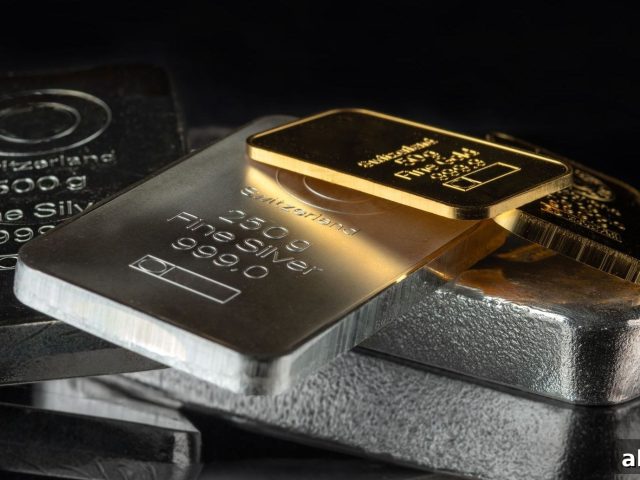
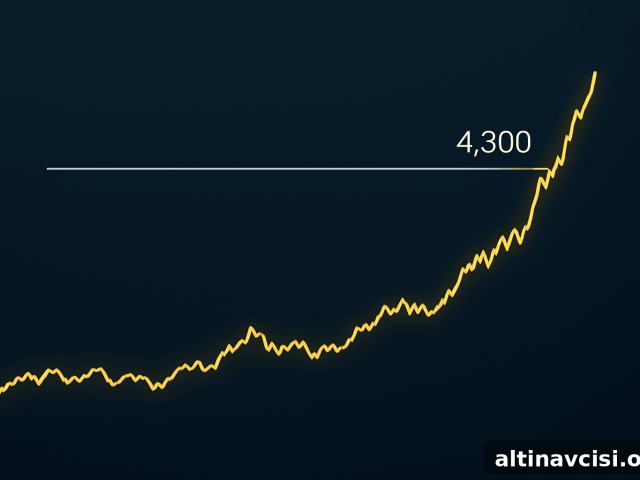
Real-time price charts and market data give investors a practical window into how these drivers affect actual pricing. When considering physical bullion, attention to premiums over spot is important because supply chains and local demand conditions influence purchase costs. Regularly reviewing price charts and premium trends improves timing for both tactical trades and long-term allocations.
Strategic Takeaways for Investors
Gold’s price reflects the balance among five dominant forces: central bank policy, the US dollar, inflation and economic indicators, geopolitical risk, and institutional demand. At times these factors align and push gold strongly in one direction; at other times they conflict and increase volatility. Understanding how and why these drivers interact makes gold easier to use as a hedge, as a portfolio stabilizer, or as a tactical trade.
Conservative investors can rely on gold’s historical role as protection against inflation and systemic risk. Traders can use shifts in these drivers to identify short-term opportunities. In all cases, staying informed about the fundamental drivers of gold prices leads to smarter and more timely investment decisions.
Investing in Physical Metals Made Easy
FAQs on What Drives Gold?
What are the main gold price drivers?
The principal gold price drivers are central bank interest rate policy, the strength of the US dollar, inflation and other economic indicators, geopolitical risk and market volatility, and central bank or institutional purchases. These forces shape investor sentiment, capital flows, and safe-haven demand that determine the spot price.
How do Federal Reserve interest rates affect gold prices?
Rate hikes often pressure gold as yield-bearing assets become relatively more attractive. Rate cuts and dovish signals typically support gold. In some cases, however, rising rates can coincide with increased recession or debt concerns, which in turn can boost gold as a safety asset.
Why does the US dollar impact gold prices?
Since gold trades globally in US dollars, a stronger dollar usually reduces demand from overseas buyers by raising the local-currency cost of gold, while a weaker dollar tends to increase international demand and lift prices.
Is gold a good hedge against inflation?
Historically, gold has been a reliable hedge against inflation and currency depreciation. It preserves purchasing power over long periods, although short-term performance can be affected by central bank responses to inflation.
How do central banks influence gold prices?
Central banks are major holders and buyers of gold. Their purchases provide structural support and can establish long-term price trends. Institutional flows, including ETF holdings, also heavily influence market direction by signaling large-scale professional demand.
Get Gold & Silver Insights Direct to Your Inbox
Join thousands of investors who receive expert analysis, market updates, and curated offers every week.
Popular Topics
Picked from the archive
-
01
 Topics
Gold Could Reach $4,000 as Silver Surges and Oil Falls
-
02
Topics
July Minimum Wage Hikes in 15 States and Cities
-
03
Topics
Silver Prices Jump 35% YTD as Rally Accelerates
-
04
Topics
4 Trillion AI Milestone Sparks Valuation Concerns
-
05
Topics
Reuters Poll: Flight to Safety Boosts Gold and Silver Forecasts
-
06
Topics
Industrial Demand Sends Silver and Platinum 28% Ahead of Gold
-
07
Topics
Can Gold Hold at $4,300? Price Outlook for Investors
-
08
Topics
Barclays’ Euphoria Gauge Signals Bubble as Speculation Surges