Barclays’ Euphoria Gauge Signals Bubble as Speculation Surges

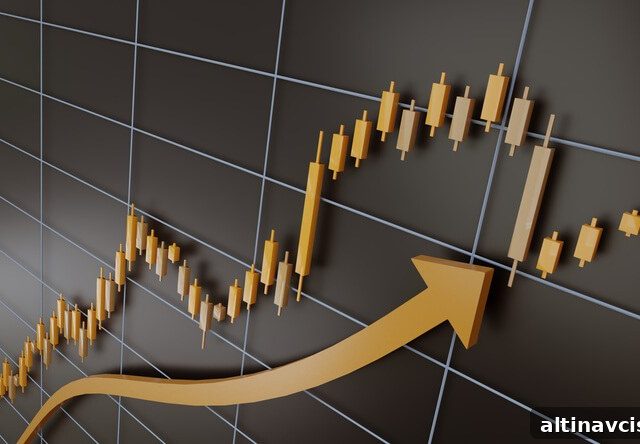
Barclays’ market-sentiment gauge is sending a clear warning that speculation in US equities may have reached elevated levels. The bank’s “Equity Euphoria Indicator” recently climbed to 10.7%, well above its long-term average of about 7% and comparable to readings observed during earlier market bubbles. Such a divergence from historical norms suggests investor enthusiasm may be outpacing underlying fundamentals.
This higher reading coincides with several unmistakable signs of frothy behavior across parts of the market. The ARK Innovation ETF has delivered historic gains, special-purpose acquisition company (SPAC) listings have outpaced the combined totals of the previous two years, and a number of high-volatility areas posted outsized second-quarter rallies. Reports show Bitcoin-linked equities rose roughly 78%, quantum-computing-related stocks jumped about 69%, and meme-stock phenomena produced gains near 44% in the quarter—moves that highlight concentrated, narrative-driven flows into specific themes.
Investors and advisors point out that some of the momentum is underpinned by hopes for favorable macro developments—most notably potential trade agreements and expectations for Federal Reserve rate cuts. While such catalysts can justify optimism to some extent, the recent pattern of market action appears increasingly driven by storytelling and momentum rather than by steady improvements in corporate earnings, cash flows, or valuations.
What the Equity Euphoria Indicator aims to capture is the breadth and intensity of investor exuberance across multiple inputs. Elevated readings typically reflect a combination of heavy retail participation, an abundance of speculative vehicle creation (such as SPACs), extreme performance concentration in a handful of names or themes, and valuation metrics that stretch historical norms. When those elements align, the risk of sharp reversals or heightened volatility tends to rise.
That does not mean a crash is inevitable—high sentiment can persist for extended periods—but it does imply a different risk environment. Markets driven by narratives can be highly sensitive to changes in market psychology, news flow, or shifts in liquidity. A tweak in interest-rate expectations, disappointing corporate updates, regulatory headlines, or a sudden re-pricing of growth prospects can produce outsized moves once sentiment begins to unwind.
For market participants, the current setup argues for greater attention to risk management. Traders and investors may wish to monitor valuation metrics across the most-active themes, watch for narrowing market breadth where fewer stocks carry overall gains, and track flows into speculative instruments and new listings. Margin and leverage levels, changes in options positioning, and the pace of new issuance—especially SPAC activity—are additional indicators that historically have signaled elevated market stress when they move rapidly.
Portfolio approaches will vary by horizon and risk tolerance. Longer-term investors often emphasize diversification, adherence to asset allocation, and periodic rebalancing to avoid concentration in the hottest stories. More tactical participants may choose to employ tighter stop-losses, reduce position sizes in the most speculative names, or hedge exposure where appropriate. Importantly, any adjustment should align with one’s investment goals and be executed with discipline rather than emotion.
Market analysts stress the need to distinguish between healthy innovation-driven rallies and pure speculative excess. Themes like quantum computing and cryptocurrency-related businesses represent real technological developments, but not every company that attaches itself to a trendy narrative will deliver lasting value. Fundamental analysis—examining revenue trends, profitability, and competitive positioning—remains essential for separating durable investments from short-lived fads.
In summary, Barclays’ Equity Euphoria Indicator reading of 10.7% serves as a reminder that sentiment has shifted to unusually high levels. Combined with the surge in SPAC activity, the strong performance of certain ETFs, and outsized moves in sectors like Bitcoin-linked stocks, quantum computing, and meme names, the market environment now calls for heightened vigilance. Rather than predicting an imminent downturn, the indicator highlights elevated risk and the potential for periods of increased volatility, underscoring the value of disciplined risk controls and careful evaluation of speculative exposures.
Popular Topics
Picked from the archive
-
01
 Topics
China Central Bank Extends Gold Buying Streak as Pace Slows
-
02
Topics
Trade War Could Trigger Summer Recession, Says Apollo Economist
-
03
Topics
JPMorgan Strategist: Gold as Hedge Against Geopolitical Risk
-
04
Topics
Bernstein Warns Investors of Bear Market Risk, Recommends Gold
-
05
Topics
Trump Targets Powell Over Fed Spending, White House Tensions Rise
-
06
Topics
Gold Rises 0.7% as Weak U.S. Data Pushes Dollar Down
-
07
Topics
China Cuts Critical Mineral Exports, Prices Soar
-
08
Topics
Gold Surges 1.7% After Israel Strikes Iran