Trump Targets Powell Over Fed Spending, White House Tensions Rise
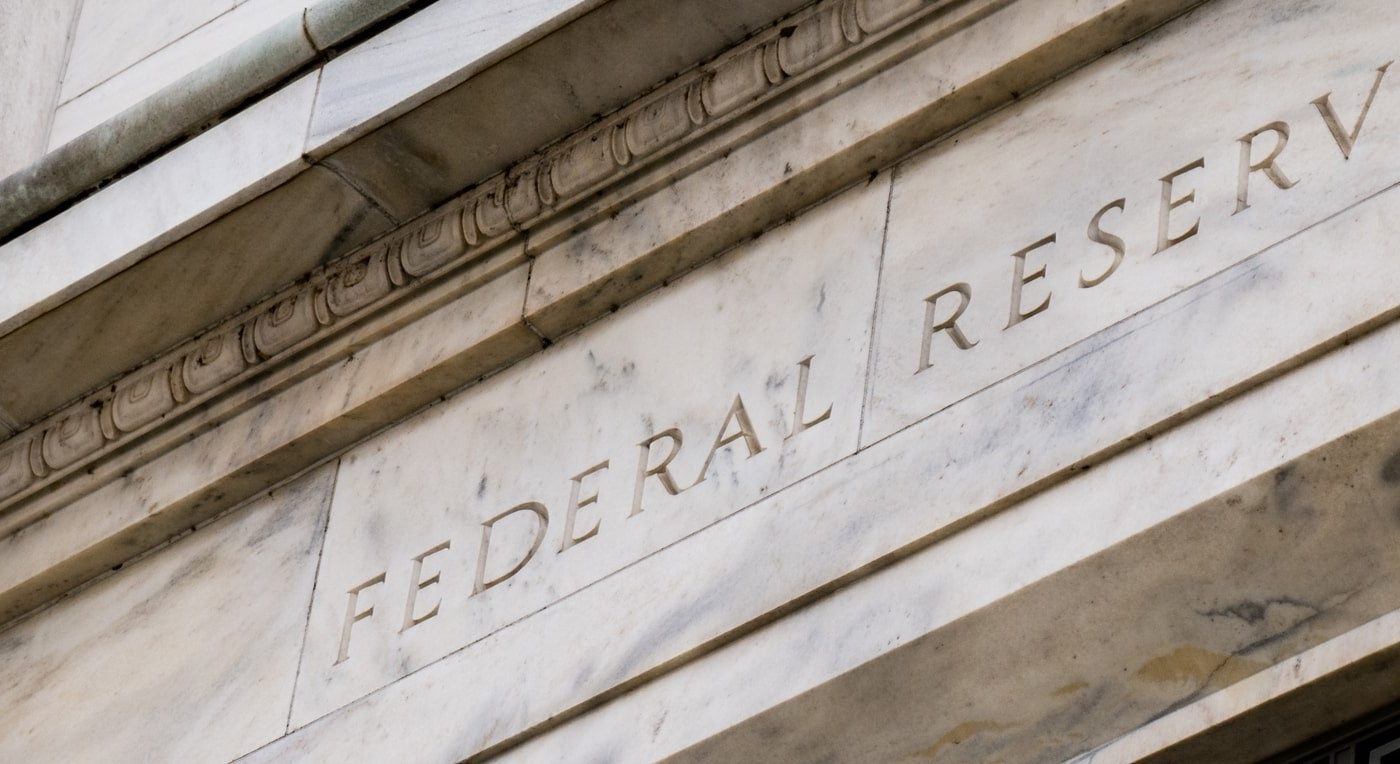
Trump Suggests Jerome Powell Could Be Removed Over $2.5 Billion Fed Renovation Controversy
President Trump has indicated that Federal Reserve Chair Jerome Powell could face removal amid growing scrutiny of a costly renovation project tied to the Federal Reserve’s headquarters. The renovation’s estimated price tag—approximately $2.5 billion—has generated political attention and intensified existing tensions between the White House and the Fed leadership.
What the President Said and Why It Matters
Mr. Trump’s comments, which suggested potential personnel consequences, have underscored the administration’s frustration over the renovation expenses. The administration has long sought a Fed chair more receptive to aggressive interest-rate cuts, and the renovation issue has become another point of contention in that broader policy disagreement.
Although the president’s remarks focused attention on the renovation budget, they also reignited concerns about the independence of the Federal Reserve. Public and market observers watch closely when political leaders comment on central-bank leadership, because the Fed’s autonomy is widely regarded as essential for consistent monetary policy and long-term economic credibility.
Inspector General Investigation Underway
In response to the controversy, the Federal Reserve has asked its inspector general to investigate the procurement, budgeting, and oversight related to the renovation project. An inspector general review typically examines the decision-making processes, cost estimates, contracting, and compliance with applicable rules and policies.
The Fed’s request for an internal investigation signals the institution’s effort to address concerns transparently and to determine whether any procedural or oversight failures occurred. Such investigations can help clarify how cost estimates were prepared, whether alternatives were adequately considered, and whether oversight mechanisms functioned as intended.
Powell Expected to Respond to Administration Questions
The administration has posed questions to Chair Powell about the renovation and its costs. According to available information, Powell’s responses to those inquiries are expected by the end of the week. The content and tone of those answers may shape the next phase of the dispute, including any additional administrative or congressional scrutiny.
How Powell responds could affect public perception and market confidence. Clear, factual explanations addressing budget drivers and governance steps can help defuse concerns, while vague or incomplete answers may fuel further criticism.
Broader Implications for Monetary Policy and Governance
This dispute over renovation expenditures dovetails with broader debates about Federal Reserve policy and accountability. The administration’s desire for a chair who would pursue more aggressive rate cuts is a policy disagreement; the renovation controversy has provided a separate, tangible issue around which those disagreements are being aired publicly.
Observers note that focusing on administrative expenses can be a leverage point in broader institutional conflicts. However, critics warn that conflating operational or capital spending with monetary-policy decisions risks politicizing governance issues and undermining the norms that protect the Fed’s independence.
What to Watch Next
- Inspector general findings: The scope and timing of the review will determine how quickly questions about the renovation’s costs and oversight are resolved.
- Powell’s responses: The chair’s explanations to the administration may clarify the factual record and help to address concerns about budgeting and contracting practices.
- Political reaction: Continued public statements from the White House and responses from lawmakers could shape the debate and influence subsequent oversight efforts.
- Market sentiment: Investors often react to perceived threats to central-bank independence, so developments in this dispute may affect market expectations around monetary policy.
As the investigation proceeds and responses are submitted, the situation will reveal more about the interplay between federal oversight, central-bank governance, and the political dynamics that can arise when spending decisions intersect with high-stakes economic policy debates.
Popular Topics
Picked from the archive
-
01
 Topics
US Economy Sees First GDP Decline Since 2022: Q1 Falls 0.3%
-
02
Topics
Tariffs Drive Up Consumer Prices as Inflation Rises
-
03
Topics
Bullion Premiums: How to Spot Fair Prices
-
04
Topics
Silver Approaches $40 Amid Tightening Supply and Trade Tensions
-
05
Topics
Russia Taps $1B Chinese Gold Market Amid Geopolitical Shift
-
06
Topics
Gold Prices Rise on Trade Tensions and Currency Moves
-
07
Topics
Goldman Sachs Sees Gold Price Reaching $4,000 by Mid-2026
-
08
Topics
Goldman Sachs: Central Bank Demand Pushes Gold Past Silver