Gold Prices Rise on Trade Tensions and Currency Moves
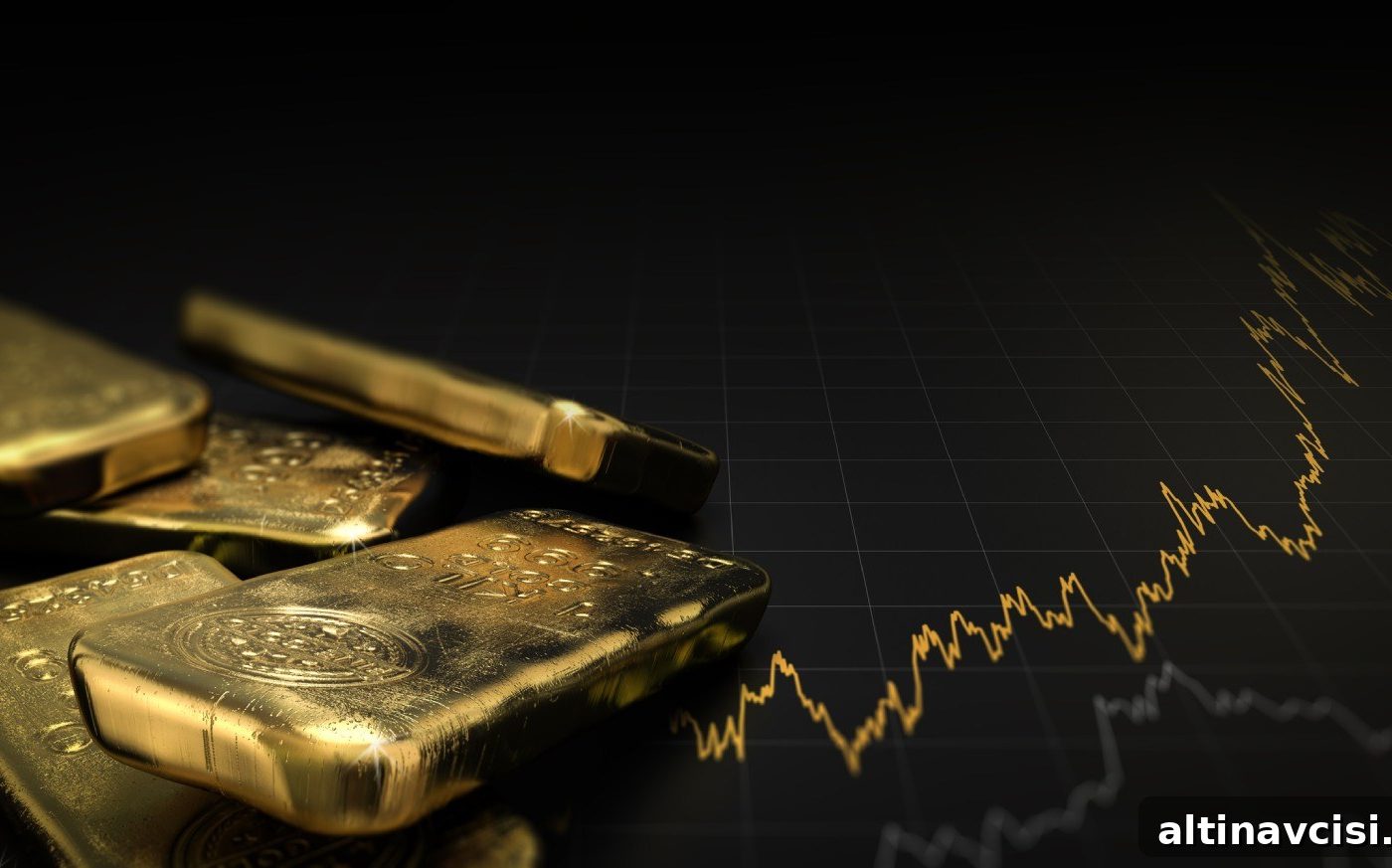
Gold Prices Rise as U.S. Dollar Weakens and Trade Tensions Resurface
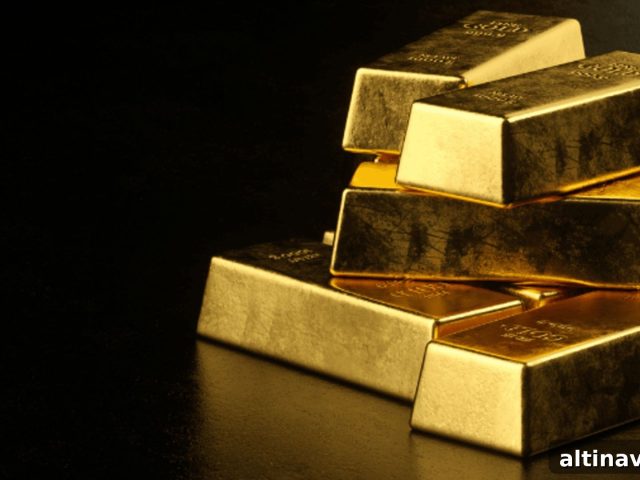
Gold prices climbed on Monday as a softer U.S. dollar and renewed trade tensions pushed investors toward the precious metal. Spot gold rose 0.8% to $3,228.47 per ounce, while U.S. gold futures gained 1.4% to $3,232.10. These moves reflect both short-term market reactions and the broader role of gold as a safe-haven asset during periods of political and economic uncertainty.
Why a Weaker Dollar Supports Gold
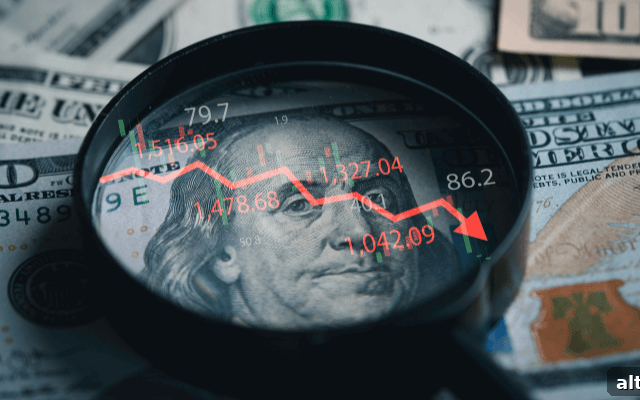
The recent decline in the U.S. dollar helped make gold more attractive to buyers using other currencies. When the dollar falls, gold typically becomes cheaper for overseas investors, which can increase demand and lift prices. Beyond the currency effect, lower dollar strength often signals shifts in global liquidity and investor sentiment, prompting flows into assets perceived as stores of value.
Trade Tensions and Safe-Haven Demand
Renewed trade tensions spurred by tariff threats contributed to risk aversion in financial markets, boosting gold’s appeal. Trade disputes can create uncertainty about global growth, supply chains, and corporate earnings, encouraging market participants to seek protection in assets that tend to retain value during turmoil. As a result, safe-haven demand can drive short-term spikes in gold prices as investors rebalance portfolios toward lower-risk holdings.
Market Dynamics and Investor Behavior
Both spot gold and U.S. futures reflected the same underlying dynamics: currency movements, geopolitical headlines, and a shift toward assets considered defensive in periods of volatility. Traders and investors often respond quickly to headline risk, adjusting positions in futures and physical markets. Momentum from such moves can amplify price swings in the near term, even if longer-term drivers remain unchanged.
What This Means for Investors
For individual and institutional investors, rising gold prices amid a weaker dollar and heightened trade tensions underscore the metal’s role in portfolio diversification and risk management. Gold is frequently used to hedge against currency depreciation, inflationary pressures, and geopolitical risk. Investors considering exposure to gold should weigh allocation size, investment horizon, and their tolerance for short-term volatility, since prices can be influenced by rapid shifts in sentiment.
Factors to Watch Going Forward
Several factors will likely influence gold’s trajectory in the near term. Key elements to monitor include the direction of the U.S. dollar, developments in trade policy and geopolitical relations, global economic indicators, and shifts in interest rate expectations. Central bank actions and broader liquidity conditions can also affect demand for bullion and gold-backed instruments. Because gold does not yield interest, changes in real yields and rate expectations can materially impact investor demand.
Conclusion
The recent increase in gold prices amid a weaker dollar and renewed tariff-related tensions highlights the metal’s enduring role as a refuge in uncertain times. Spot gold’s 0.8% gain to $3,228.47 per ounce and the 1.4% rise in U.S. futures to $3,232.10 illustrate market sensitivity to currency moves and risk-off sentiment. Investors will be watching currency trends, geopolitical developments, and macroeconomic signals closely to gauge whether the rally will extend or give way to renewed volatility.
Popular Topics
Picked from the archive
-
01
 Topics
Gold Prices Rebound Ahead of U.S. Jobs Report
-
02
Topics
Deutsche Bank Cuts S&P 500 Forecast, Wall Street Turns Cautious
-
03
Topics
Chinese Banks Cash In on Gold’s Record Rally Amid Surging Demand
-
04
Topics
Trump Pushes Rate Cuts, Blasts Powell as Treasury Cites Markets
-
05
Topics
Goldman Sachs, JPMorgan Revise Outlook After 90-Day Tariff Truce
-
06
Topics
Technical Indicators Signal Silver Rally as Gold Fades
-
07
Topics
China May Cut Tariffs on Key US Medical and Industrial Imports
-
08
Topics
Gold Prices Jump After Moody’s Downgrade and China Buying