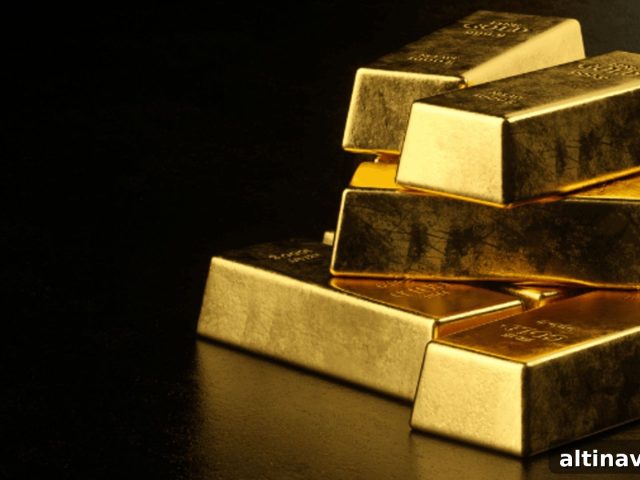
Gold Gains on Safe Haven Demand Amid Trade Deal Fallout

Gold Prices Rise Amid Tariff Concerns and Trade Uncertainty
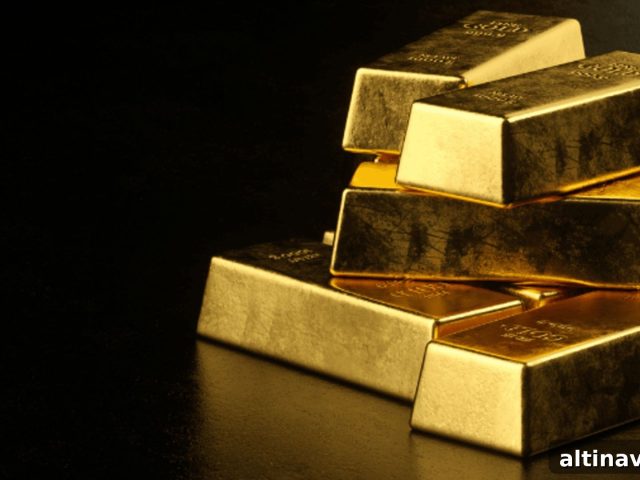
Gold prices rose as markets reacted to renewed tariff threats and mounting uncertainty around trade negotiations. Investors responded to the prospect of higher trade barriers and an unclear path for key talks by leaning back into bullion’s traditional role as a store of value. This uptick reflects a broader shift in risk sentiment, where safe-haven assets attract interest whenever geopolitical and economic outlooks look uncertain.
Currency Moves and Market Drivers
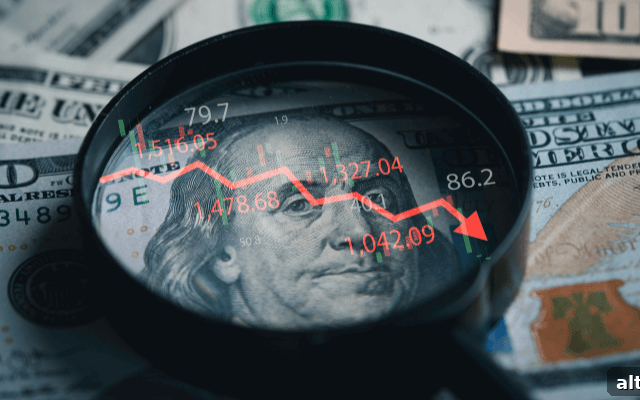
A softer U.S. dollar contributed to gold’s renewed appeal. When the dollar weakens, gold typically becomes more affordable for buyers using other currencies, which can boost demand. Currency shifts are among the principal drivers of short-term movements in precious metals markets, and recent dollar weakness has helped underpin higher prices for gold.
Oil prices remained relatively steady during this period, offering a mixed backdrop for commodity markets. Stable energy costs can moderate inflation expectations in the near term, but persistent uncertainty across global trade and policy can still push investors toward inflation hedges and safe assets, including gold.
Impact of Trade Tensions and Geopolitics
Traders are closely monitoring the relationship between the U.S. and China, as developments there carry outsized influence on global growth prospects and market risk appetite. Negotiations, announcements of tariffs, or even hints of escalation can quickly change investor perceptions, shifting flows into assets perceived as safer. At the same time, broader geopolitical shifts — whether in diplomatic relations, regional security, or multilateral trade frameworks — continue to shape the environment in which gold operates.
Safe-Haven Demand and Investor Behavior
Gold’s safe-haven status is once again in focus as risk sentiment remains fragile. In times of heightened uncertainty, investors often seek capital preservation and liquidity, favoring assets that historically retain value during market stress. This behavior can show up in multiple forms, such as increased holdings of physical gold, higher demand for gold-related exchange-traded products, or portfolio reallocations that reduce exposure to more volatile assets.
Market participants are also watching interest rate expectations and real yields. Although precise policy moves were not specified, changes in yield trajectories can influence the attractiveness of non-yielding assets like gold. Lower nominal or real interest rates tend to support higher gold prices, while rising yields can exert downward pressure.
What Traders and Investors Should Watch
- Announcements and developments in U.S.-China trade talks, including any new tariff measures or conciliatory steps that could reshape market sentiment.
- Movements in the U.S. dollar and major currencies such as the British pound; currency strength and weakness can directly affect gold’s demand and pricing dynamics.
- Shifts in oil prices and broader commodity markets that influence inflation expectations and risk appetite across investor communities.
- Changes in global geopolitical risk, including diplomatic developments and regional tensions that can prompt safe-haven flows.
- Interest rate outlooks and trends in bond yields, which can alter the opportunity cost of holding gold.
Outlook and Considerations
While the recent rise in gold prices reflects a confluence of factors — tariff fears, a weaker dollar, steady oil, and fragile risk sentiment — the path forward remains sensitive to new information. Traders and investors should remain attentive to headline developments and market indicators, as rapid changes in trade policy, currency markets, or geopolitical conditions can quickly shift the balance between risk assets and safe havens.
Overall, gold’s appeal in this environment stems from its long-standing role as a hedge against uncertainty. Whether used for diversification, protection against currency and inflation risks, or as a tactical response to market turbulence, gold continues to play a central part in many portfolios when clarity is limited and global conditions are fluid.
Popular Topics
Picked from the archive
-
01
 Topics
Gold Prices Rebound Ahead of U.S. Jobs Report
-
02
Topics
Deutsche Bank Cuts S&P 500 Forecast, Wall Street Turns Cautious
-
03
Topics
Chinese Banks Cash In on Gold’s Record Rally Amid Surging Demand
-
04
Topics
Trump Pushes Rate Cuts, Blasts Powell as Treasury Cites Markets
-
05
Topics
Goldman Sachs, JPMorgan Revise Outlook After 90-Day Tariff Truce
-
06
Topics
Technical Indicators Signal Silver Rally as Gold Fades
-
07
Topics
China May Cut Tariffs on Key US Medical and Industrial Imports
-
08
Topics
Gold Prices Jump After Moody’s Downgrade and China Buying