China May Cut Tariffs on Key US Medical and Industrial Imports
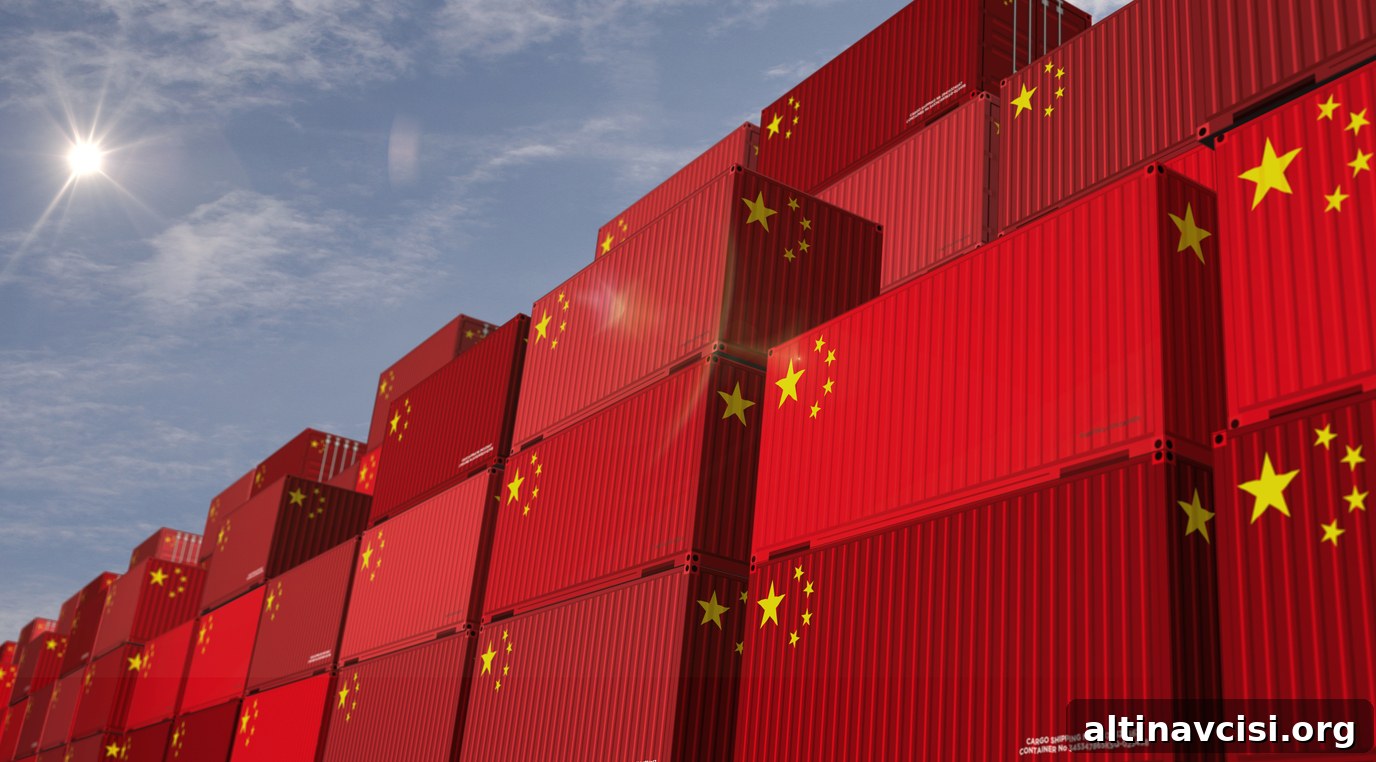
China Considers Exemptions from 125% Tariff on Select U.S. Imports
Chinese authorities are reportedly exploring targeted exemptions to a 125% tariff currently applied to certain U.S. imports. The proposed relief would focus on items that play an outsized role in key Chinese industries, including medical equipment, select industrial chemicals such as ethane, and aircraft leases used by Chinese carriers. While details remain provisional and subject to final approval, the prospect of exemptions has already influenced market sentiment in Asia.
Which Goods Are Under Consideration?
The categories under discussion are narrow and practical rather than broad-based. They aim to address supply and operational bottlenecks in sectors where rapid substitution is difficult or costly.
- Medical equipment: Devices and components critical to health services and hospital operations, where reliable access is important for patient care and public health preparedness.
- Industrial chemicals (including ethane): Feedstocks and intermediate chemicals used by petrochemical and manufacturing facilities; ethane is one example cited because of its role in producing downstream chemicals.
- Airplane leases: Leases and related arrangements that enable Chinese carriers to maintain and expand their fleets without immediate capital outlay.
Why Consider Exemptions?
There are several pragmatic reasons for the government to weigh exemptions rather than applying tariffs uniformly:
- Protecting essential industries: Some imports are integral to medicine, energy and transportation supply chains. Sharp cost increases or sudden shortages can disrupt services and industrial output.
- Mitigating economic spillovers: High tariffs can have downstream effects on domestic manufacturers, service providers and consumers. Targeted relief can help limit broader economic damage.
- Reciprocal policy signaling: The idea follows recent moves by other governments to exclude certain items from blanket tariff lists, highlighting mutually acknowledged vulnerabilities in global trade.
Market Reaction and Early Signals
News of possible exemptions has had immediate, if tentative, effects on financial markets in the region. Share prices in parts of Asia rose and the yuan regained some ground after earlier losses. These shifts reflect investor hopes that softer trade measures will reduce supply-chain strain and ease cost pressures for affected companies.
That said, market responses can be short-lived and will depend on the scope and timing of any official announcement. The signal of selective easing was enough to improve sentiment, but follow-through will be judged by the specific goods and customs procedures that are ultimately approved.
How the Process Is Being Managed
Chinese authorities have reportedly asked companies operating in vulnerable sectors to submit customs codes for U.S. products they consider essential and in need of exemption. This approach allows regulators to evaluate concrete import needs and to craft a list that balances strategic concerns with economic realities.
Because the process appears to be consultative and ongoing, the final roster of exempted items remains in flux. Firms that participate in the submission process may influence which products are prioritized, but there is no guarantee that all requested exemptions will be granted.
Broader Implications
The consideration of exemptions underscores how tightly intertwined the U.S. and Chinese economies remain, even amid heightened trade and geopolitical tensions. Both sides appear to recognize that indiscriminate trade barriers can inflict significant harm on domestic industries that depend on cross-border inputs or services.
Targeted tariff adjustments are a more surgical tool than blanket measures, aiming to preserve critical supply chains while maintaining leverage where policymakers deem it appropriate. The outcome will offer insight into how governments balance economic resilience against strategic policy objectives in a contested trade environment.
What to Watch Next
Key developments to monitor include:
- Official announcements from Chinese trade or customs authorities specifying exemption lists and implementation timelines;
- Any reciprocal adjustments by the United States and how those might affect negotiations or market stability;
- Sectoral commentary from companies that depend on the affected imports, which will reveal practical impacts and remaining vulnerabilities.
Until formal decisions are made public, companies and observers should treat the reports as a sign of potential policy flexibility rather than a finalized change. Stakeholders in healthcare, petrochemicals and aviation should prepare for both scenarios: continued high tariffs and a more limited, targeted easing of duties.
Overall, the discussion around tariff exemptions highlights the ongoing challenge of managing economic ties amid strategic competition: striking a balance that protects national interests without imposing unnecessary harm on critical industries and consumers.
Popular Topics
Picked from the archive
-
01
 Topics
Reuters Poll: Gold Set to Extend Rally Through 2026
-
02
Topics
Gold’s 30% Post-Election Rally Consolidates as ETF Flows Slow
-
03
Topics
Kevin O’Leary Rejects Wall Street’s 2025 Recession Forecast
-
04
Topics
Zambia Readies Local Content Rules as Copper Output Surges 30%
-
05
Topics
Goldman Analyst: China’s Pre-Holiday Selloff Sends Gold Tumbling
-
06
Topics
Asian Gold Prices Split: India Discounts, China Premiums
-
07
Topics
India Proposes Targeted Zero-Tariff Offer to Speed US Trade Deal
-
08
Topics
China Opens New Hong Kong Gold Vault to Boost Trading