Gold Falls Below $3,300 as US-China Trade Hopes Rise
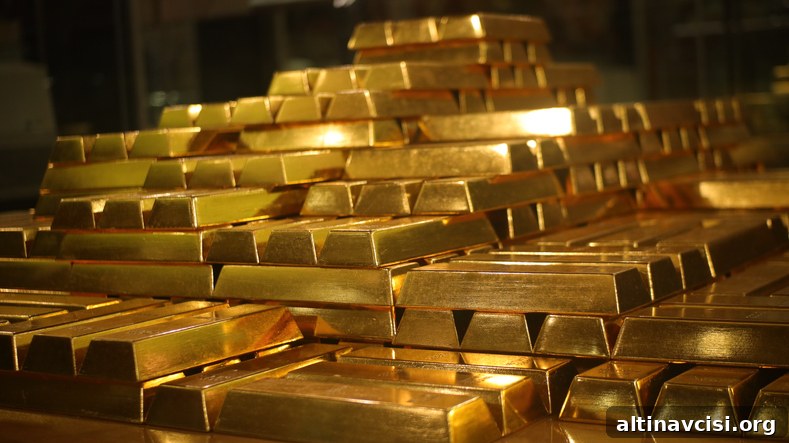
Gold Prices Retreat as Signs of Easing US-China Trade Tensions Strengthen the Dollar
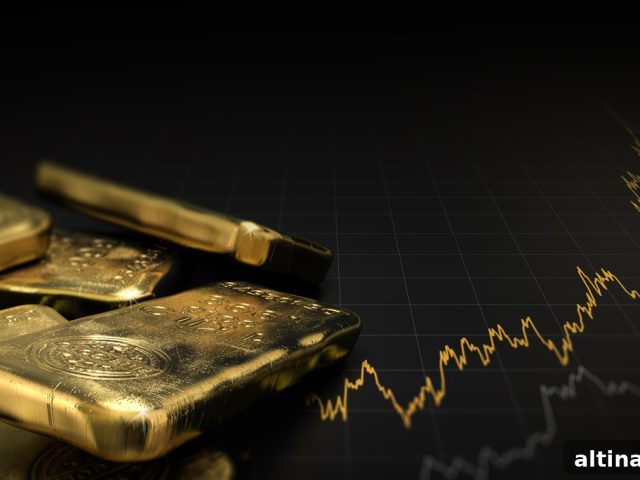
Gold prices fell more than 1.5% on Friday, slipping to $3,299.69 per ounce as markets reacted to reports suggesting a possible de-escalation in the US-China trade dispute. The move marked a downward turn for the metal after a strong rally earlier in the week, and sent gold toward a modest weekly decline despite substantial gains year-to-date.
Market participants attributed the drop in part to news that China may exempt certain US goods from tariffs. Those reports boosted investor optimism about trade relations, which in turn supported the US dollar and helped lift European equities. A firmer dollar typically makes dollar-priced commodities like gold more expensive for holders of other currencies, weighing on demand and contributing to downward pressure on prices.
Analyst Zain Vawda warned that a formal trade agreement between Washington and Beijing could push gold significantly lower, possibly toward the $3,000-per-ounce area or below. That view highlights how sensitive gold has become to shifts in geopolitical risk and trade expectations: when uncertainty eases, safe-haven demand can retreat, removing a major support for higher gold prices.
Despite Friday’s pullback, gold remains well above last year’s levels. The metal has climbed roughly 26% so far this year and earlier in the week reached an intraday record of $3,500.05 per ounce. Those gains reflected a combination of factors that have supported gold over recent months, including heightened geopolitical risk, persistent inflation concerns, and an overall cautious stance among some central banks and investors.
Federal Reserve officials, speaking in the same period, signaled that they did not see an urgent need to change monetary policy while they assess how the tariffs and trade measures might affect the US economy. That stance—neither indicating immediate tightening nor easing—can influence gold in competing ways: expectations for higher interest rates can reduce the appeal of non-yielding assets such as gold, while prolonged uncertainty or expectations of looser policy can sustain demand for bullion.
In the near term, several factors are likely to determine gold’s direction. Continued progress toward a US-China trade agreement or concrete tariff rollbacks would likely bolster the dollar and pressured gold prices. Conversely, if negotiations stall or fresh geopolitical tensions arise, investors may once again seek the relative safety of gold, supporting a rebound.
Other considerations include central bank behavior, inflation trends, and real interest rate movements. Real yields—nominal interest rates adjusted for inflation—are a key driver for gold: when real yields fall, gold often becomes more attractive as an inflation hedge and store of value. Conversely, rising real yields can erode gold’s relative appeal.
For traders and long-term investors, the recent volatility underscores the importance of monitoring both macroeconomic signals and diplomatic developments. Short-term traders may respond quickly to headlines about tariffs or negotiations, while longer-term investors typically focus on fundamentals such as inflation expectations, currency trends, and central bank policy trajectories.
In summary, Friday’s drop to $3,299.69 per ounce reflected a market reaction to positive trade headlines and a stronger dollar, even as gold continues to show substantial gains year-to-date. Analysts like Zain Vawda caution that a definitive US-China trade agreement could drive prices lower toward the $3,000 level, but ongoing uncertainties in global markets mean that gold remains sensitive to shifts in both policy and geopolitical sentiment.
Popular Topics
Picked from the archive
-
01
 Topics
Reuters Poll: Gold Set to Extend Rally Through 2026
-
02
Topics
Gold’s 30% Post-Election Rally Consolidates as ETF Flows Slow
-
03
Topics
Kevin O’Leary Rejects Wall Street’s 2025 Recession Forecast
-
04
Topics
Zambia Readies Local Content Rules as Copper Output Surges 30%
-
05
Topics
Goldman Analyst: China’s Pre-Holiday Selloff Sends Gold Tumbling
-
06
Topics
Asian Gold Prices Split: India Discounts, China Premiums
-
07
Topics
India Proposes Targeted Zero-Tariff Offer to Speed US Trade Deal
-
08
Topics
China Opens New Hong Kong Gold Vault to Boost Trading