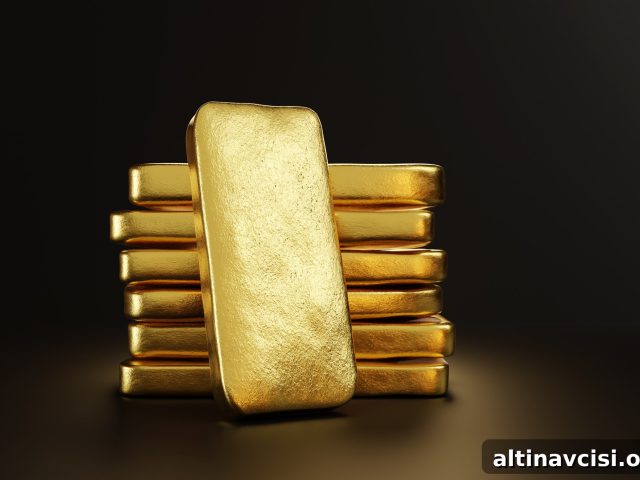
Bullion Premiums: How to Spot Fair Prices
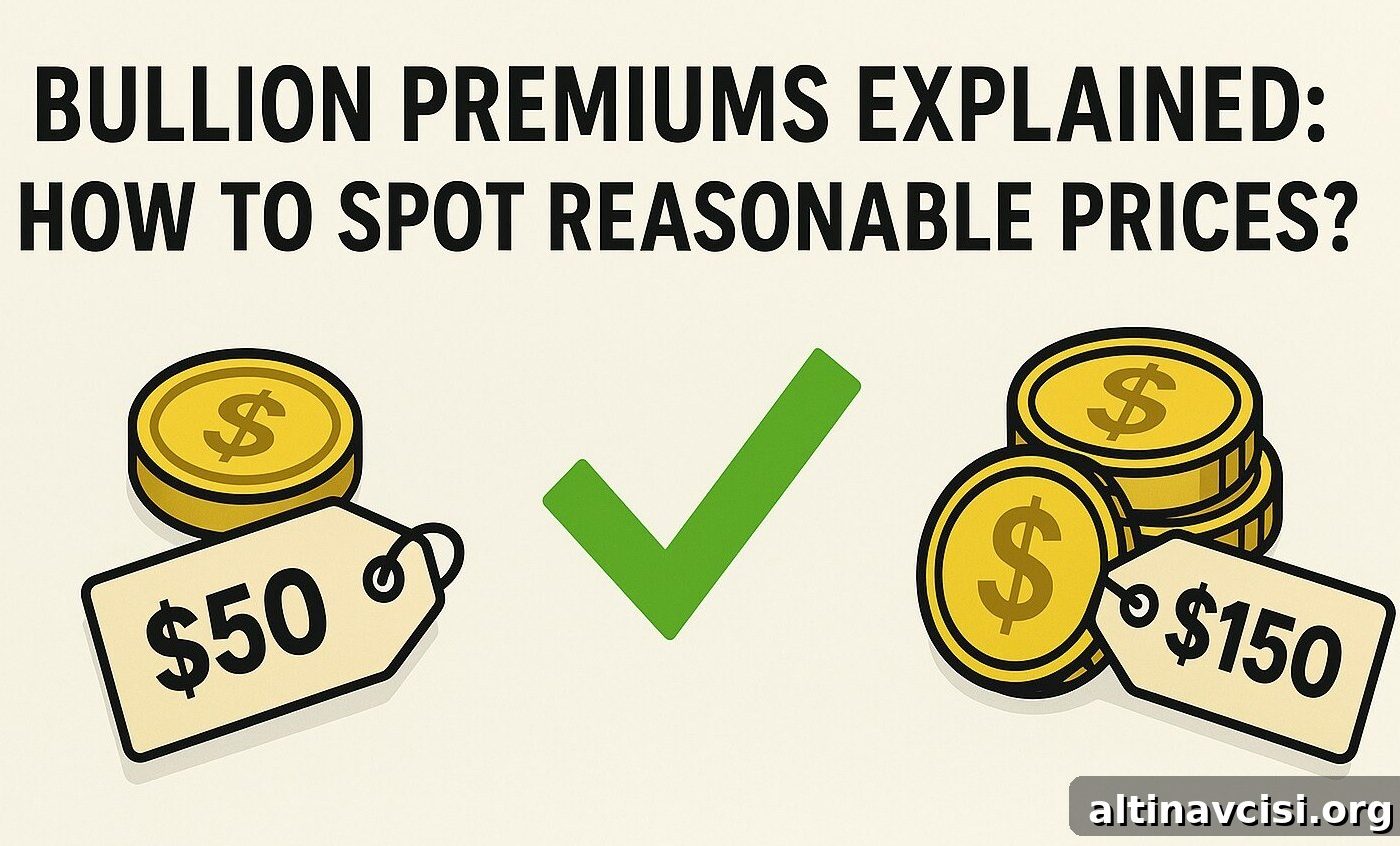
If you’re considering buying gold or silver, you’re making a sensible decision: precious metals remain a reliable hedge and a long-term store of value. With gold reaching record highs and silver posting strong gains, understanding how bullion pricing works—especially premiums—can save you from paying too much. This guide explains bullion premiums in clear, practical terms so you can make informed buying decisions.
Premiums are the part of the price you pay above the metal’s market value (the spot price). They vary by product, dealer and market conditions. Knowing what influences premiums and what’s reasonable helps you recognize fair offers and avoid steep markups.
The Two-Part Price Tag: Spot Price vs. Premium
Every bullion price you see has two components:
- The spot price — the live market price for one troy ounce of the metal. This is the baseline value that moves constantly based on global supply, demand, and macroeconomic factors.
- The premium — the additional amount added to cover production, minting, distribution, dealer margin, shipping and any brand or collectible value. Premiums differ by product type and seller.
The spot price is uniform across markets at a given instant, but premiums are where variability appears. Smart buyers compare premiums across dealers and product types to find the best overall value for their goals.
Why Premiums Fluctuate (And Why You Should Care)
Premiums are driven by real, observable forces. When demand rises faster than supply, premiums increase. When production becomes more expensive or transport is disrupted, premiums reflect that too. Key drivers include:
- Market dynamics: Surges in retail demand or shortages lift premiums.
- Production costs: Smaller coins and complex designs cost more per ounce to mint.
- Economic uncertainty: Volatility and risk-off sentiment often push premiums higher as consumers seek physical assets.
- Logistics: Shipping bottlenecks, security costs and material shortages add to final pricing.
- Dealer inventory: Limited stock can mean higher premiums to ration supply.
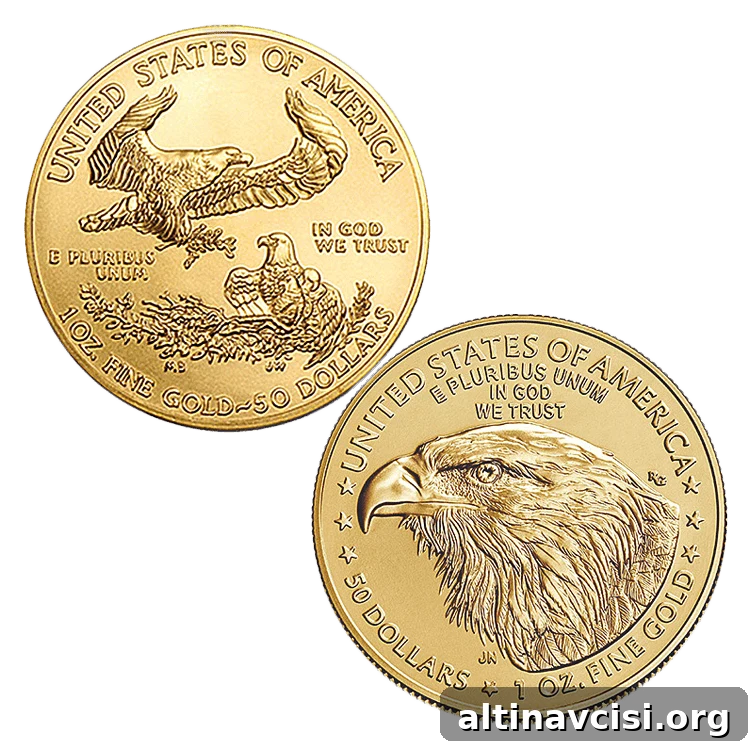
As an example, government-minted coins like American Gold Eagles or Canadian Maples frequently carry higher premiums than generic bars because of their recognizability, secure supply chains and legal guarantees of weight and purity.
Get Gold & Silver Insights Direct to Your Inbox
Receive expert analysis, market updates, and curated buying opportunities. Sign up with reputable sources and newsletters that provide transparent pricing and clear explanations.
What’s Normal? A Quick Premium Guide
Premium ranges change with market conditions, but the following guidelines reflect common expectations in typical markets. Use these as a benchmark, not a guarantee.
Gold Premiums:
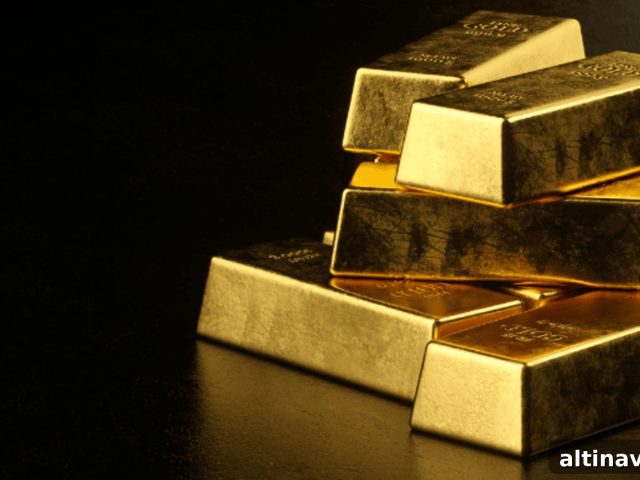
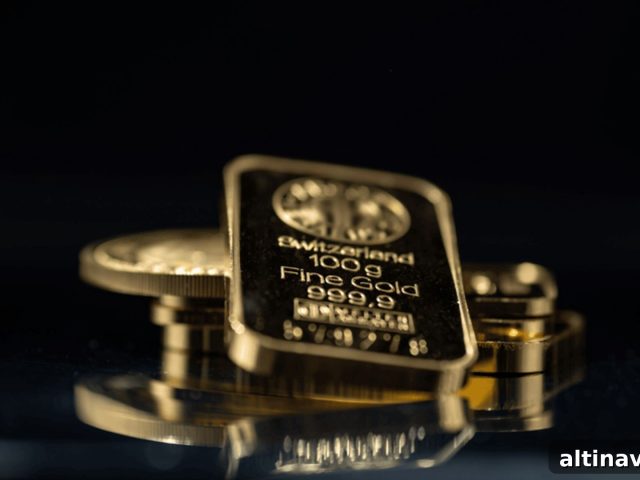
- 1 oz bars: Often $50–$100 over spot (roughly 2–3% when spot is high).
- Government-minted coins (e.g., Eagles, Maples): Commonly 5–8% premium due to minting complexity and brand trust.
- Private mint rounds: Typically around 3–6% over spot for widely recognized rounds.
- Fractional coins (1/10 oz, 1/4 oz): Can carry 15–25% premiums because of higher manufacturing cost per ounce.
Silver Premiums:
- Silver bars: Frequently 5–15% depending on size and manufacturer.
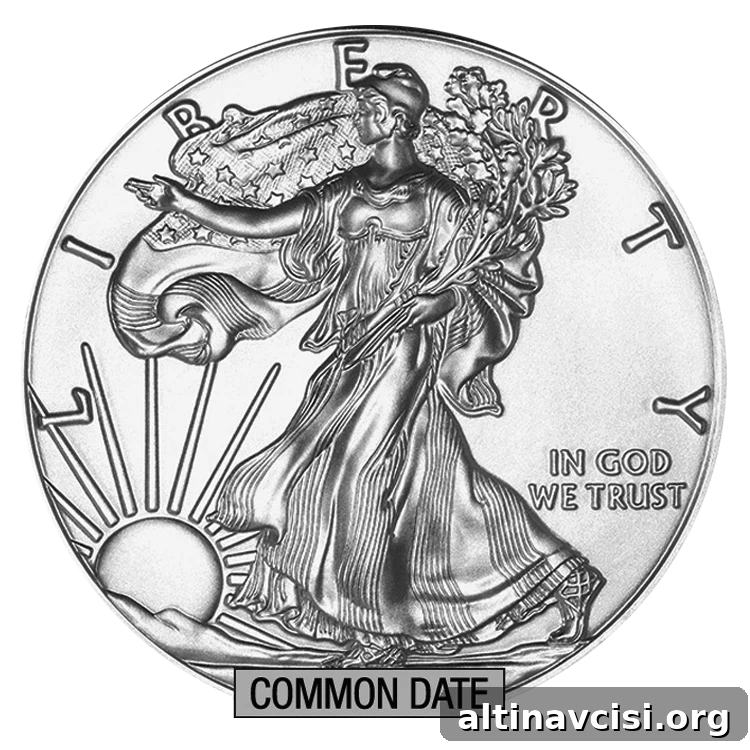
- Government coins (e.g., Silver Eagles): Often 10–20% and sometimes more for special releases.
- Generic rounds: Usually 8–15% for common private-round products.
- Large bars (e.g., 100 oz): Typically have lower premiums per ounce because of production efficiency.

Invest Now
Invest Now
Invest Now

Invest Now
Red Flags: When to Walk Away
Not every seller is fair. Watch for these warning signs before you buy:
- Gold premiums that exceed 10% on standard, non-collectible items.
- Silver premiums above 25% for common, modern coins.
- Wide price differences between similar items from the same dealer without a clear reason.
- Aggressive sales pressure, vague explanations for high pricing, or refusal to provide documentation.
If a deal seems too expensive or the seller can’t explain the markup, trust your instincts and look elsewhere. Reputable dealers are transparent about premiums and inventory.
Smart Strategies for Better Deals
Here are practical tactics seasoned buyers use to reduce costs while maintaining quality and liquidity:
- Compare multiple dealers: Online dealers often offer better pricing than many local shops, but local relationships can provide service and convenience.
- Buy in quantity: Dealers frequently grant discounts for larger purchases—aggregate your buys if it fits your plan.
- Consider dollar-cost averaging: Purchasing regularly smooths out both spot and premium variability over time.
- Choose product wisely: Larger bars and well-known government coins typically have lower per-ounce premiums and better resale demand.
Balancing Premium and Liquidity
A very low premium may come with trade-offs: obscure brands or unmarked products can be harder to resell. Popular government-issued coins and widely recognized private mints usually offer smoother liquidity despite a modest premium. When buying, weigh immediate cost savings against how easily you can sell later.
Premiums directly affect your total cost basis and potential profit when selling. Aim for a balance: acceptable premiums on recognizable, liquid products often beat the lowest possible price on obscure pieces.
Don’t Miss a Practical Guide
Consider reputable, well-reviewed books and guides on precious metals investing to deepen your understanding before making large purchases.
Your Next Steps
To act with confidence, start by checking prices from at least three reputable dealers. Compare both the spot price and the premium, and ask clear questions about shipping, insurance and return policies. Keep records of invoices and product serial numbers if applicable.
Remember: the objective is not always the absolute lowest premium, but the best combination of price, quality, and liquidity for your investment goals. Patient, informed buyers generally fare best in the precious metals market.
Disclaimer: This article is for informational purposes only and does not constitute financial or investment advice. Past performance is not indicative of future results. Always perform your own research or consult a qualified financial professional before making investment decisions.
Popular Topics
Picked from the archive
-
01
 Topics
Import Tariffs Force Retailers to Pass Costs to Shoppers
-
02
Topics
Trump Admin Says Tax Cuts Save $8T, Experts Warn of $3T Cost
-
03
Topics
Vietnam Ends State Gold Monopoly, Opens Market to Private Firms
-
04
Topics
China Weighs US Trade Proposal, Demands Tariff Rollbacks
-
05
Topics
Yantai, China’s Gold Capital: 39 Years as Top Producer
-
06
Topics
8 U.S. Cities Now Require Six-Figure Incomes to Rent
-
07
Topics
Gold and Silver Rally as Dollar Drops After Weak Economic Data
-
08
Topics
Gold Eyes Monthly Low as Fed Meeting Dims Rate-Cut Hopes