Dollar’s 8% Slide Boosts Gold, Commodities and Global Assets
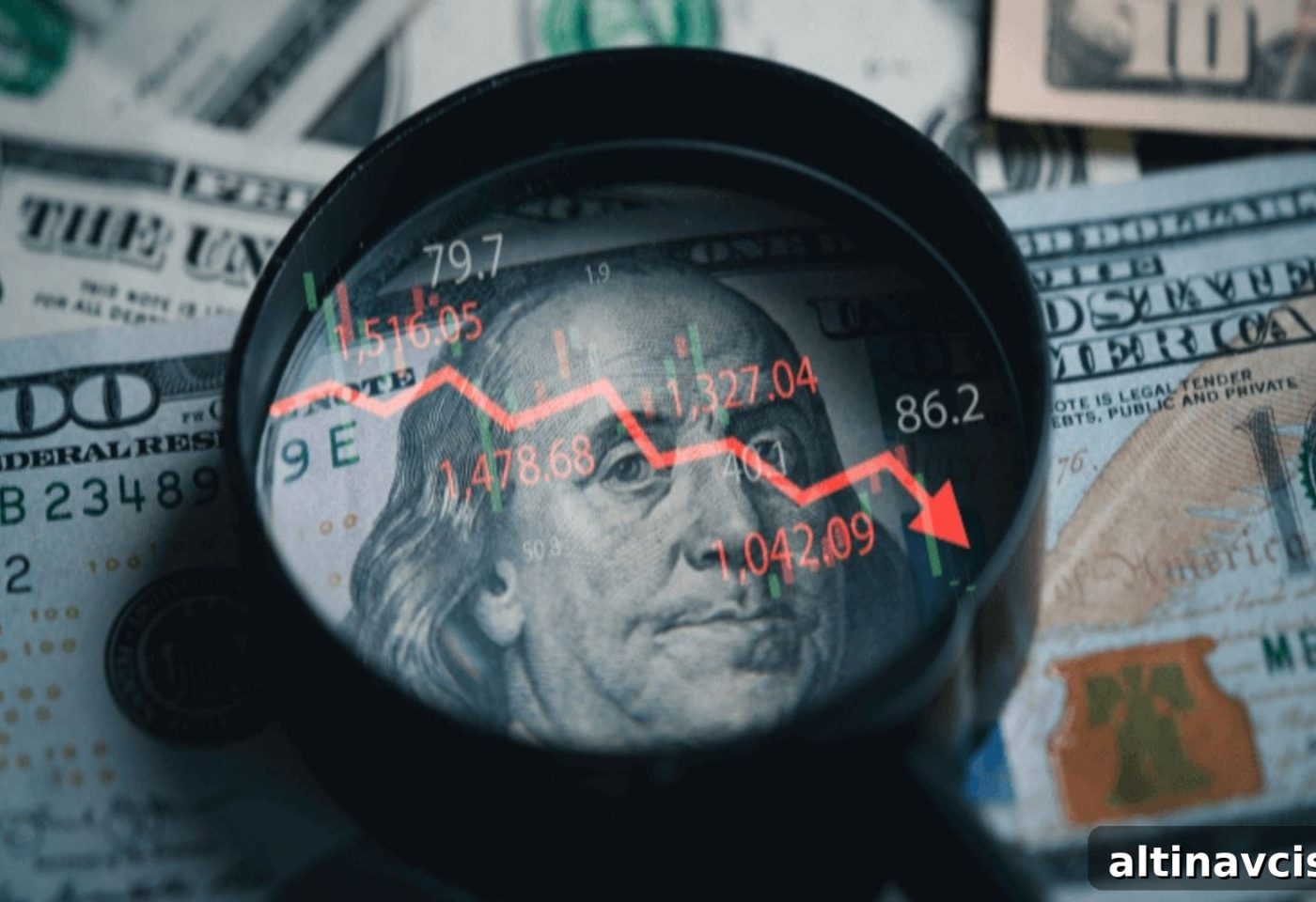
With the US Dollar Index down about 8% in 2025, investors are increasingly looking for ways to benefit from dollar weakness and to protect portfolios from currency-driven losses. A softer dollar can create both opportunities and risks across currencies, commodities, and equity markets. Understanding the drivers behind the decline and adopting a thoughtful, diversified approach can help investors capture upside while managing volatility.
What is driving the dollar’s decline? Market expectations of Federal Reserve rate cuts have reduced the carry advantage of dollar-denominated assets. At the same time, policy uncertainty under the Trump administration has added a layer of geopolitical and fiscal risk that can weaken investor confidence in US-centric allocations. In addition, global capital has been reallocated toward non-US assets as investors seek higher yields or perceived safety elsewhere, amplifying downward pressure on the dollar. These factors combined have created an environment where many assets that traditionally benefit from a weaker dollar are performing well.
Key strategies to consider
Invest in foreign currencies through ETFs: Currency exchange-traded funds provide a convenient, liquid way to gain exposure to major currencies without the complexities of forex trading. ETFs tracking the euro and the yen—such as funds that replicate the Euro Trust (example: FXE) and the Japanese Yen Trust (example: FXY)—allow investors to participate in currency appreciation if the dollar continues to weaken. When choosing currency ETFs, examine fund structure, expense ratios, and liquidity.
Target commodity exposure: Commodities often rally when the dollar weakens because they are priced in dollars globally. Precious metals like gold are a traditional safe-haven response to currency weakness and macro uncertainty. Industrial metals and energy commodities may also benefit from dollar depreciation, particularly if global demand remains firm. Investors can access commodities through ETFs, futures, or commodity-focused equities, each with different risk and cost profiles.
Expand into international equities and emerging markets: A weaker dollar tends to boost returns for US-based investors in foreign stocks because gains in local-currency assets translate into stronger dollar returns. International developed markets and emerging-market equities can therefore be attractive complements to domestic holdings. Emerging markets, in particular, may offer higher growth potential, though they come with increased political and currency risk. Consider using broad international ETFs or diversified mutual funds to reduce single-country exposure.
Hold gold as both a hedge and an appreciation play: Gold remains a widely used hedge against currency debasement, inflation concerns, and geopolitical instability. Financial professionals often recommend maintaining a modest allocation—commonly in the 5% to 10% range—because it can reduce portfolio drawdowns during crises while also providing upside during periods of dollar weakness. Investors can gain exposure through physically backed gold ETFs, allocated accounts, or bullion, depending on storage and liquidity preferences.
Portfolio allocation and risk management
Many advisors now suggest increasing international diversification when the dollar is expected to remain weak. One guideline cited by financial experts is to hold at least 50% of equity exposure outside the United States, including a meaningful allocation to emerging markets. This broad approach reduces concentration risk in US equities and captures growth opportunities abroad. However, such shifts should account for individual risk tolerance, investment horizon, and tax considerations.
Risk management is essential: currency movements can be volatile and unpredictable. Investors should weigh currency risk versus potential return, decide whether to use hedged or unhedged international funds, and maintain disciplined rebalancing rules to lock in gains and limit downside. Consider position sizing, stop-loss limits, or options strategies if more active risk control is appropriate. Consulting a financial advisor can help tailor allocations to personal goals and constraints.
Practical steps for investors
1) Review your current geographic diversification and consider increasing foreign equity exposure gradually rather than making abrupt shifts. 2) Evaluate currency ETFs and commodity funds for liquidity, fees, and tracking error. 3) Allocate a modest portion of the portfolio to gold as an insurance policy against severe downturns. 4) Monitor macro signals—Fed guidance, fiscal policy updates, and capital flows—to adjust positioning over time. 5) Maintain a long-term perspective and rebalance periodically to manage risk and capture diversification benefits.
In summary, the current dollar weakness presents a range of tactical and strategic opportunities: currency ETFs, commodity exposure, international equities, and gold can all play constructive roles in a diversified portfolio. Each option brings distinct risks and costs, so investors should align choices with their objectives and risk tolerance while keeping an eye on evolving policy and market conditions.
Popular Topics
Picked from the archive
-
01
 Topics
Harvard 51B Endowment Sells Tech, Buys Gold and Crypto
-
02
Topics
Tariff-Driven Inflation Clouds Fed’s September Rate Decision
-
03
Topics
Investors Flock to Gold Amid Trade Tensions and Weak Jobs Data
-
04
Topics
ETF Inflows Propel Gold Demand to Highest H1 Levels Since 2020
-
05
Topics
Russia Taps $1B Chinese Gold Market Amid Geopolitical Shift
-
06
Topics
Gold Has Matched Stock Returns Since 1971: Why It Matters
-
07
Topics
BIS Warns Fed Faces Impossible Choice as Tariffs Risk Inflation
-
08
Topics
India Gold Demand Drops Further Amid Soaring Asian Prices