BIS Warns Fed Faces Impossible Choice as Tariffs Risk Inflation
BIS Warning: Tariffs Raise Risk of Stagflation and Pressure Central Banks
The Bank for International Settlements (BIS) has issued a major warning that trade protection measures such as import tariffs could threaten recent gains in controlling inflation. BIS General Manager Agustín Carstens highlighted that tariffs are creating a level of economic uncertainty that can be comparable to crisis conditions, potentially constraining the options available to central banks.
How Tariffs Can Lead to a Stagflation Scenario
The BIS notes that when import tariffs raise consumer prices while growth slows, policymakers face a particularly difficult trade-off. In that scenario—commonly referred to as stagflation—traditional monetary policy tools lose some of their effectiveness. Raising interest rates to combat inflation can further weaken growth and employment, while cutting rates to support the economy can worsen inflationary pressures. This dynamic leaves central banks walking a narrow path with limited room for maneuver.
Implications for the Federal Reserve and Other Central Banks
For the Federal Reserve and other monetary authorities, tariffs present a worst-case confluence: upward pressure on consumer prices from higher import costs, together with an economy that is slowing. Central banks typically rely on adjusting policy rates to influence demand, but when inflation is driven by imported goods and services, rate hikes may not fully address the underlying cost pressures. At the same time, rate cuts intended to revive growth could risk embedding higher inflation expectations.
Why Consumers’ Price Sensitivity Matters
The BIS emphasizes that consumer sensitivity to price changes remains elevated in the post-pandemic environment. Households and businesses that experienced large swings in prices and supply disruptions during the pandemic may react more quickly and more strongly to even modest increases in consumer prices. That heightened responsiveness can amplify market volatility and make inflation control more politically and economically difficult.
Historical Role of Precious Metals as a Hedge
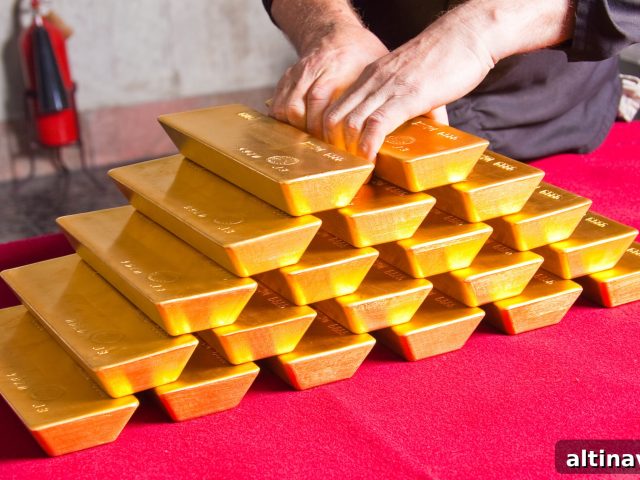
In periods of monetary uncertainty and rising inflation expectations, investors often seek assets that preserve value. Historically, gold and silver have been used as hedges against currency debasement and broader economic uncertainty. Because tariffs can erode purchasing power by raising import prices, and because policy responses can appear constrained in a stagflationary environment, demand for precious metals can increase as investors look for instruments that are less correlated with fiat currency movements and financial market volatility.
What This Means for Markets and Policy
The BIS warning underscores several important takeaways for market participants and policymakers. First, trade policy that increases tariffs can transmit directly into consumer prices and indirectly into broader inflation expectations. Second, when inflation is driven by supply-side factors such as tariffs, standard monetary policy responses face trade-offs that can limit their effectiveness. Third, heightened price sensitivity among consumers can magnify the economic consequences of seemingly modest price shifts.
For investors, the combination of cost-push inflation and slowing growth tends to favor assets considered safe havens, including gold and silver. For policymakers, the message is that fiscal and trade measures should be coordinated with monetary strategy to avoid unintended consequences that complicate the task of maintaining price stability and supporting sustainable growth.
Overall, the BIS cautions that the reintroduction or expansion of tariffs could reverse hard-won progress against inflation and place central banks in a difficult position. The recommendation is clear: policymakers should weigh the potential macroeconomic costs of tariff policies carefully, given their capacity to generate uncertainty and complicate monetary policy in a fragile post-pandemic environment.
Popular Topics
Picked from the archive
-
01
 Topics
Profit-Taking Pauses Gold Near $3,380 Amid Trade Policy Fears
-
02
Topics
Copper Surge: What the Melt-Up Means for Markets
-
03
Topics
Trump Raises Metal Tariffs to 50% as EU Reports Trade Progress
-
04
Topics
US Presses Allies to Cut China from Supply Chains by July
-
05
Topics
House Mega Bill: Tax Cuts, Rising Deficits and Key Provisions
-
06
Topics
Central Banks Shift Reserves to Gold as Geopolitical Risk Grows
-
07
Topics
Vietnam Ends State Gold Monopoly, Opens Market to Private Firms
-
08
Topics
China Stabilizes Yuan, Slows Asian Currency Rally vs Dollar