China Stabilizes Yuan, Slows Asian Currency Rally vs Dollar
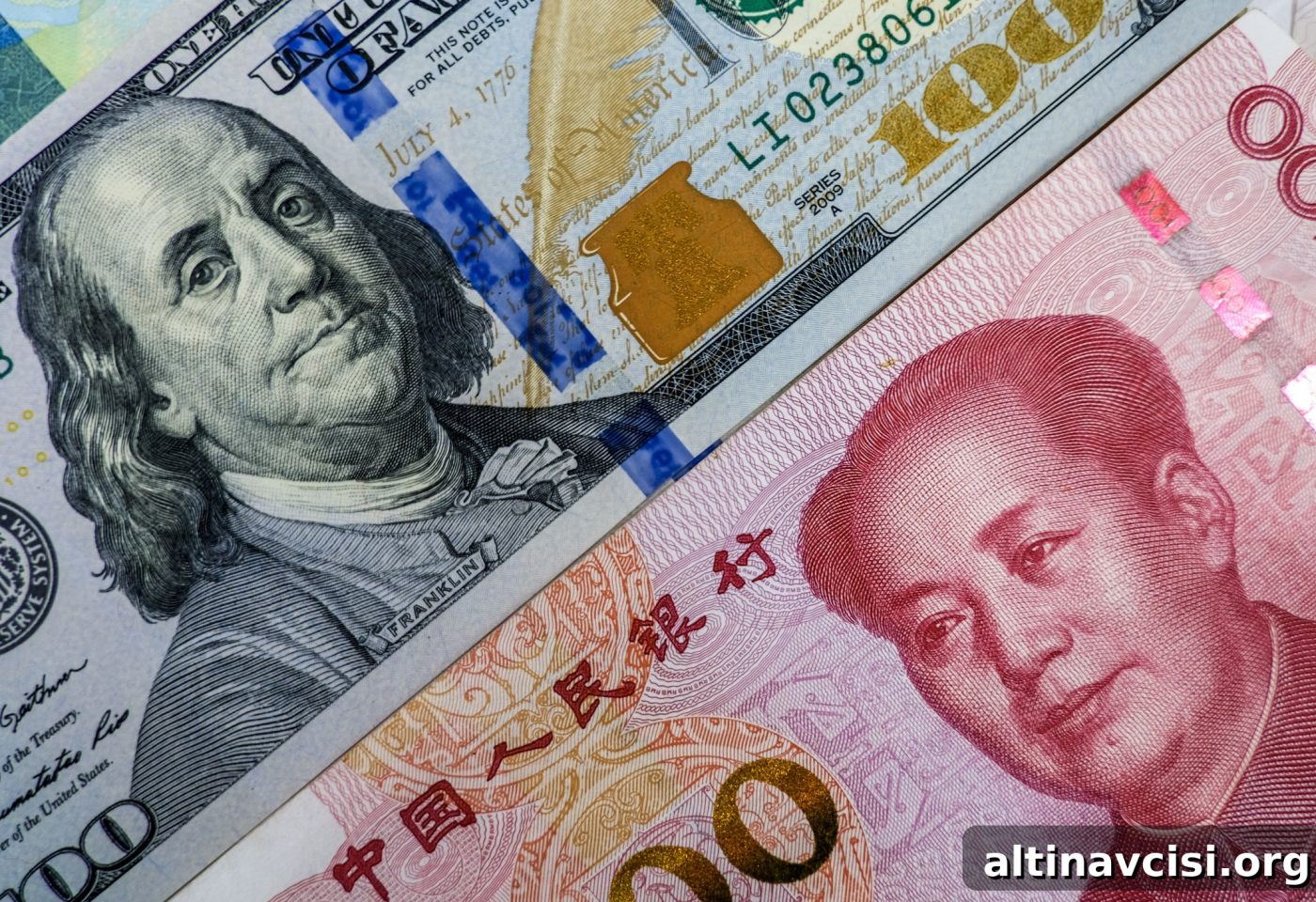
China Signals Limits on Yuan Strength to Stabilize Asian Currency Markets
China has indicated it will not allow the yuan to strengthen significantly against the U.S. dollar, a stance that has helped calm recent swings in Asian currency markets. The People’s Bank of China (PBOC) held its daily reference rate steady, countering gains seen in the offshore yuan and contributing to a more stable regional currency environment.
Central Bank Actions and Market Response
The PBOC’s decision to keep the official daily midpoint rate largely unchanged served to blunt a rally in the offshore yuan. By anchoring expectations with that reference rate, Beijing signaled a preference for limited appreciation, which in turn reduced speculative pressure on other Asian currencies. At the same time, central banks in Taiwan and Hong Kong reportedly intervened to weaken their currencies, aiming to ease volatility and protect trade competitiveness.
These coordinated and parallel measures — an anchored reference rate from Beijing alongside targeted interventions by regional monetary authorities — have the immediate effect of calming currency markets. When major Asian central banks act to restrain abrupt moves, it can prevent disorderly swings that would otherwise affect cross-border trade, capital flows and corporate planning.
Why China’s Stance Matters
The yuan plays a central role in Asia’s currency landscape. Because China is the region’s largest economy and a major trading partner for many neighboring countries, the yuan often acts as an informal anchor for regional exchange rates. When the PBOC signals it will cap appreciation, other central banks may feel less pressure to allow their currencies to drift sharply upward, helping preserve export competitiveness and financial stability.
Maintaining a stable yuan also helps reduce uncertainty for exporters and importers across the region. Sudden swings in the yuan can ripple through supply chains and corporate earnings, so clarity from Beijing about its tolerance for currency moves is an important factor for investors and businesses.
Onshore vs. Offshore Yuan Dynamics
It is useful to distinguish between the onshore yuan, which is managed by Chinese authorities within domestic market rules, and the offshore yuan, which trades more freely in international markets. Offshore trading can react quickly to global flows and sentiment, producing sharper short-term moves. By holding the onshore reference rate steady, the PBOC can influence offshore dynamics indirectly, encouraging a reduction in speculative momentum.
That interaction between onshore policy settings and offshore market behavior is a core feature of how China manages exchange-rate risk while still allowing some degree of market influence. Clear signaling from the PBOC can therefore be an effective tool to prevent disorderly appreciation or depreciation that would otherwise cascade through regional markets.
Implications for Businesses and Investors
For businesses, a more predictable currency environment helps with budgeting, pricing and long-term planning. Exporters benefit when neighboring currencies do not appreciate sharply against the yuan, because relative price competitiveness remains more stable. Importers and companies with dollar-denominated obligations may also prefer gradual, managed moves rather than sudden, volatile swings.
Investors often interpret central bank actions as cues about broader monetary and macroeconomic priorities. A decision by the PBOC to limit yuan appreciation can be read as an intention to balance domestic stability with export competitiveness, which may influence portfolio allocations across Asian assets. Reduced short-term volatility can also lower hedging costs and improve market functioning.
Outlook and Market Considerations
While temporary interventions and steady reference rates can stabilize markets in the near term, currency dynamics remain subject to a range of factors including global interest rates, trade flows, capital movements and geopolitical developments. Market participants will watch central-bank communications and actions closely for indications of how long this managed approach will persist.
In summary, the PBOC’s choice to hold its daily reference rate steady combined with interventions by Taiwan and Hong Kong has helped ease recent currency swings across Asia. By signaling limits to yuan appreciation, China has provided an anchor that contributes to regional market stability, benefiting businesses, investors and policymakers seeking a calmer exchange-rate environment.
Popular Topics
Picked from the archive
-
01
 Topics
Reuters Poll: Gold Set to Extend Rally Through 2026
-
02
Topics
Gold’s 30% Post-Election Rally Consolidates as ETF Flows Slow
-
03
Topics
Kevin O’Leary Rejects Wall Street’s 2025 Recession Forecast
-
04
Topics
Zambia Readies Local Content Rules as Copper Output Surges 30%
-
05
Topics
Goldman Analyst: China’s Pre-Holiday Selloff Sends Gold Tumbling
-
06
Topics
Asian Gold Prices Split: India Discounts, China Premiums
-
07
Topics
India Proposes Targeted Zero-Tariff Offer to Speed US Trade Deal
-
08
Topics
China Opens New Hong Kong Gold Vault to Boost Trading