Profit-Taking Pauses Gold Near $3,380 Amid Trade Policy Fears
Gold Retreats as Dollar Strengthens and Trade Tensions Resurface
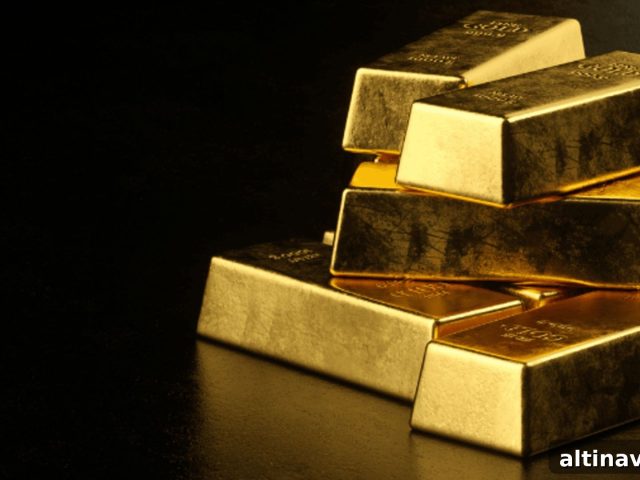
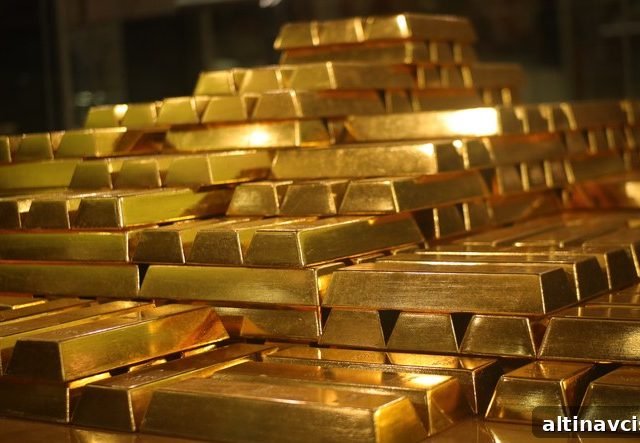
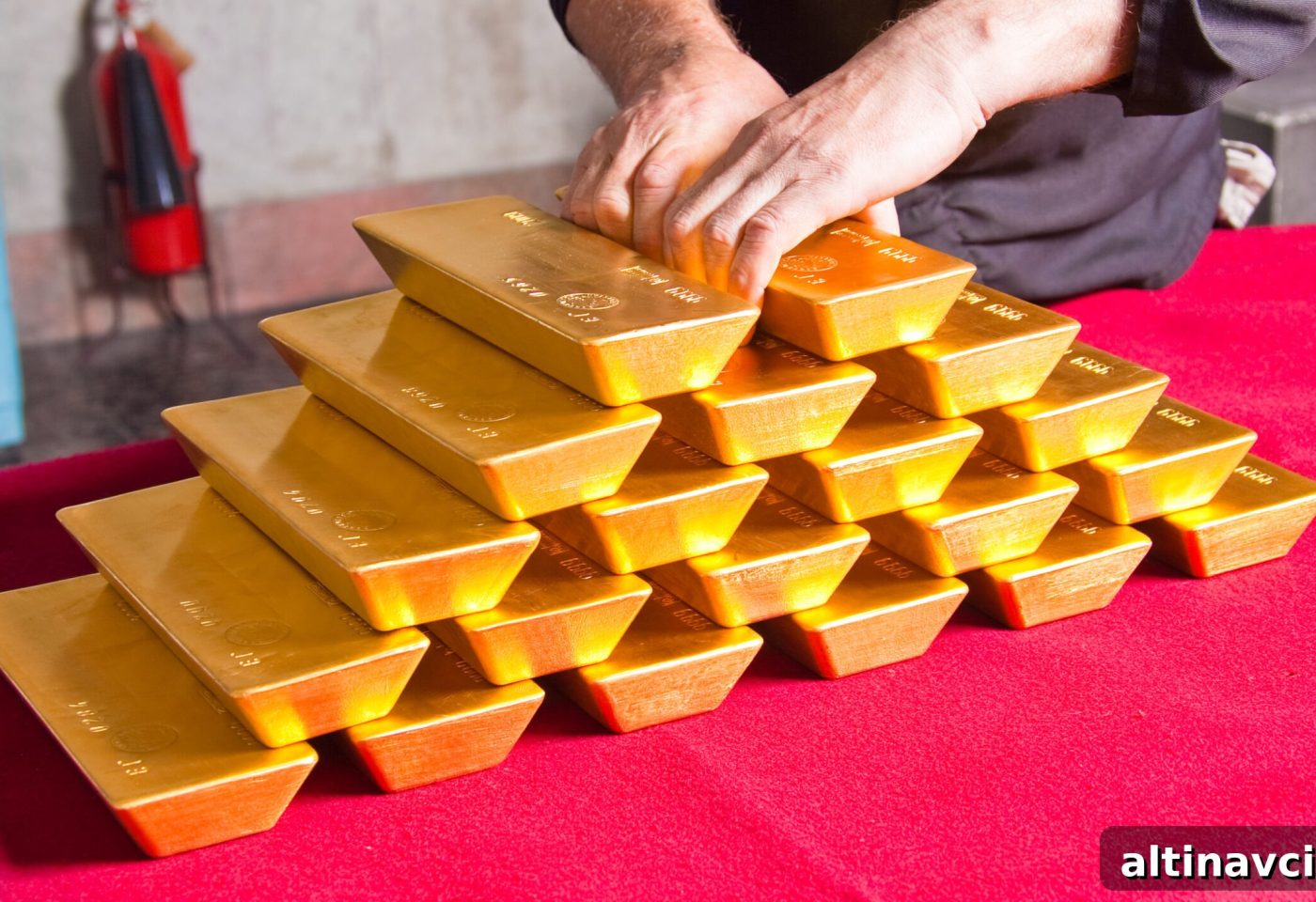
Gold eased on Tuesday, slipping 0.7% to $3,356.75 per ounce after earlier reaching its highest level since May 8. The pullback came as the U.S. dollar regained ground from a one-month low, making bullion relatively more expensive for holders of other currencies. The move highlights how currency fluctuations, geopolitical rhetoric and macroeconomic signals continue to shape investor appetite for the safe-haven metal.
Market participants cited renewed caution tied to shifting U.S. trade policy as a key influence. President Trump has publicly accused China of breaching parts of a trade agreement and has proposed raising steel and aluminum tariffs to as much as 50%. Those developments have injected fresh uncertainty into global trade prospects, adding to already fragile sentiment among multinational companies and investors who closely watch trade flows for indications of future growth.
At the same time, broader economic prospects have darkened slightly. The Organisation for Economic Co-operation and Development (OECD) recently lowered its global growth forecasts to 2.9% for 2025–2026, signaling weaker momentum than previously expected. A softer global growth outlook typically weighs on industrial metals and commodity demand more generally, but for gold the implications are mixed: mounting economic risk can lift safe-haven demand, while lower growth and rising yields can dampen interest in a non-yielding asset.
Investors are now watching a string of U.S. economic indicators for clues about the likely path of interest rates. Key among these is the upcoming U.S. non-farm payrolls report, along with comments from Federal Reserve officials. Both sets of signals matter because higher expected interest rates tend to push real yields up and reduce the attractiveness of gold, which does not pay interest or dividends. Conversely, indications that the Fed will pause or ease policy can support gold by diminishing the opportunity cost of holding a zero-yielding asset.
Precious metals outside of gold also reflected the same risk-off tone. Silver fell by roughly 1.5%, while platinum lost around 0.6%. Those moves align with a broader retracement in commodity markets as traders reassess positions in light of currency swings and changing economic forecasts. Silver, which often trades with higher volatility than gold due to its industrial applications, is particularly sensitive to shifts in growth expectations and demand from manufacturing sectors.
From a technical and strategic perspective, the recent price action underscores the interplay between safe-haven flows and macroeconomic drivers. When the dollar weakens, gold typically benefits because dollar-denominated bullion becomes cheaper for foreign buyers. When the dollar recovers, that advantage diminishes, and short-term selling pressure may emerge as traders lock in gains attained during the prior rally. At the same time, trade tensions and tariff threats inject longer-term uncertainty that can sustain strategic demand for gold among investors seeking portfolio diversification and protection against geopolitical risk.
Looking ahead, market direction will likely hinge on a combination of near-term economic data releases and the tone of policy rhetoric. The non-farm payrolls report and any fresh signals from Federal Reserve officials are expected to be pivotal in shaping expectations for rates and inflation—two key variables that influence gold prices. Meanwhile, developments in U.S.-China relations and any concrete steps toward higher tariffs will remain closely watched, since sustained escalation could dampen global growth and alter both industrial demand and risk sentiment.
In summary, gold’s retreat from its recent peak reflects a mix of currency normalization, growing concern over trade policy shifts, and a more cautious economic outlook. While the metal remains a popular hedge during times of uncertainty, its short-term trajectory will depend on incoming economic data, central bank guidance, and whether trade rhetoric translates into durable policy changes.
Popular Topics
Picked from the archive
-
01
 Topics
S&P 500’s 20-Year Winning Streak Eases Recession Fears
-
02
Topics
Gold Prices Rise on Trade Tensions and Currency Moves
-
03
Topics
US Gives Global Partners Five-Week Deadline for Trade Proposals
-
04
Topics
Record Gold Rally: Trading Data Shows Banks Flipping Positions
-
05
Topics
CBO Warns: Trump Tax Plan Could Add $2.4T to US Deficit
-
06
Topics
Gold Price Holds Near $3,180 as Markets Brace for U.S. Data
-
07
Topics
Gold Falls as Trade Tensions Ease Despite Monthly Gains
-
08
Topics
Gold Falls to 3,300 as Strong Dollar, Inflation Hits Markets