Powell to Speak Amid Trump’s Tax Cut and Deficit Dilemma
Powell to Speak at Fed Anniversary as Trump Faces Intensifying Pressure Over Tax Plan
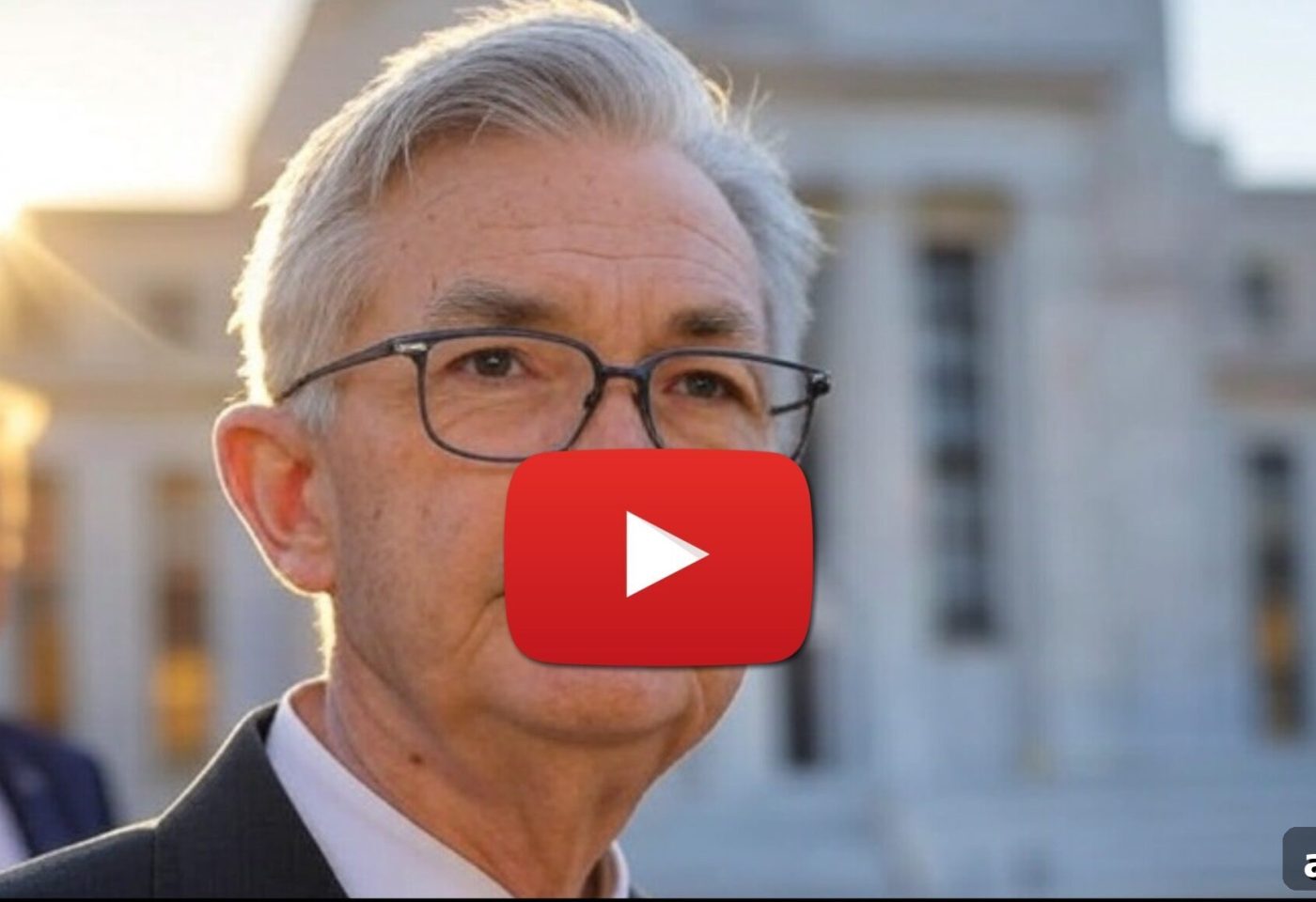
Federal Reserve Chair Jerome Powell is scheduled to speak at a Federal Reserve anniversary event today, at a moment when President Trump is confronting mounting criticism over his proposed tax changes. The attention on Powell’s remarks comes as conversations about fiscal policy and economic stability grow louder in Washington and among global investors.
House-approved legislation that would cut taxes and increase spending has alarmed budget analysts and watchdog groups. Those fiscal watchdogs estimate that the combined tax and spending measures could add roughly $5.1 trillion to the national debt over the next decade. That projection underscores a central tension: the White House’s push for immediate tax relief and economic stimulus versus long-term concerns about rising deficits and fiscal sustainability.
The apparent contradiction between campaign promises to reduce deficits and the current legislative proposals now places the president in a difficult political and economic position. To maintain credibility, the administration must persuade a range of stakeholders—Republican senators who will consider the bills in the Senate, international bond and equity investors who monitor U.S. fiscal health, and influential advisors and business leaders who weigh the broader economic implications—that tax cuts can be delivered without causing an uncontrolled expansion of government debt.
Financial markets and many institutional investors remain cautious. Market skepticism reflects worries that large tax reductions, combined with increased government spending, could widen the federal deficit and lead to higher borrowing costs or reduced fiscal flexibility. Those concerns are compounded by the uncertainty over whether future spending offsets or economic growth will be sufficient to narrow the projected deficit path.
Powell’s remarks at the Fed event will be watched closely for any signals about how the central bank interprets fiscal developments. While the Federal Reserve’s primary mandate centers on price stability and employment, sizeable shifts in fiscal policy can influence growth expectations, inflation projections, and the overall economic outlook. Markets often interpret central bank communications as a gauge for how monetary policy might respond to changing fiscal dynamics.
For the administration, the political challenge is twofold. First, it must secure enough support within its own party to advance the bills through the Senate without splintering the Republican caucus. Second, it must manage perceptions among global investors and rating agencies that scrutinize U.S. fiscal policy. Clear, credible plans that explain how any long-term revenue shortfalls will be addressed—or how growth will offset costs—can help mitigate market apprehension.
Economic analysts emphasize that transparent assumptions and realistic fiscal projections matter. Policymakers who propose major tax changes benefit from providing detailed analyses that show where spending might be adjusted, how tax bases will shift, and what growth assumptions underlie their revenue forecasts. Absent such clarity, markets and watchdog groups tend to default to conservative estimates that emphasize downside risks to fiscal balance.
Ultimately, the path forward will depend on political negotiations, the willingness of lawmakers to accept trade-offs, and how the public and investors respond to the administration’s fiscal narrative. If lawmakers reach compromises that include credible offsets or phased approaches to spending and tax changes, it may ease some investor concerns. Conversely, if bills proceed without clear plans to address long-term deficits, skepticism and market volatility could persist.
As Powell delivers his remarks at the anniversary event, observers will parse both the content and tone for indications of how monetary policymakers view the evolving fiscal landscape. In the current environment, effective communication from both the Treasury and the Fed, combined with clear legislative planning, will be essential to maintaining confidence in U.S. fiscal and economic management.
Popular Topics
Picked from the archive
-
01
 Topics
S&P 500 Nears Record High Ahead of Key Inflation Data
-
02
Topics
Will the U.S. Penny Be Retired? What to Know
-
03
Topics
Swiss Gold Imports from US Surge to 12-Year High
-
04
Topics
What’s Driving Gold Volatility: Trade Tensions or Inflation?
-
05
Topics
Gold Rises as Investors Await Inflation Data and Trade Talks
-
06
Topics
Is Germany’s Gold Safe in US Custody Under Trump?
-
07
Topics
Gold Price Tops $3,300 as Markets Await Fed Decision
-
08
Topics
Dollar Slides as Markets Watch Critical US-China Trade Talks