Will the U.S. Penny Be Retired? What to Know
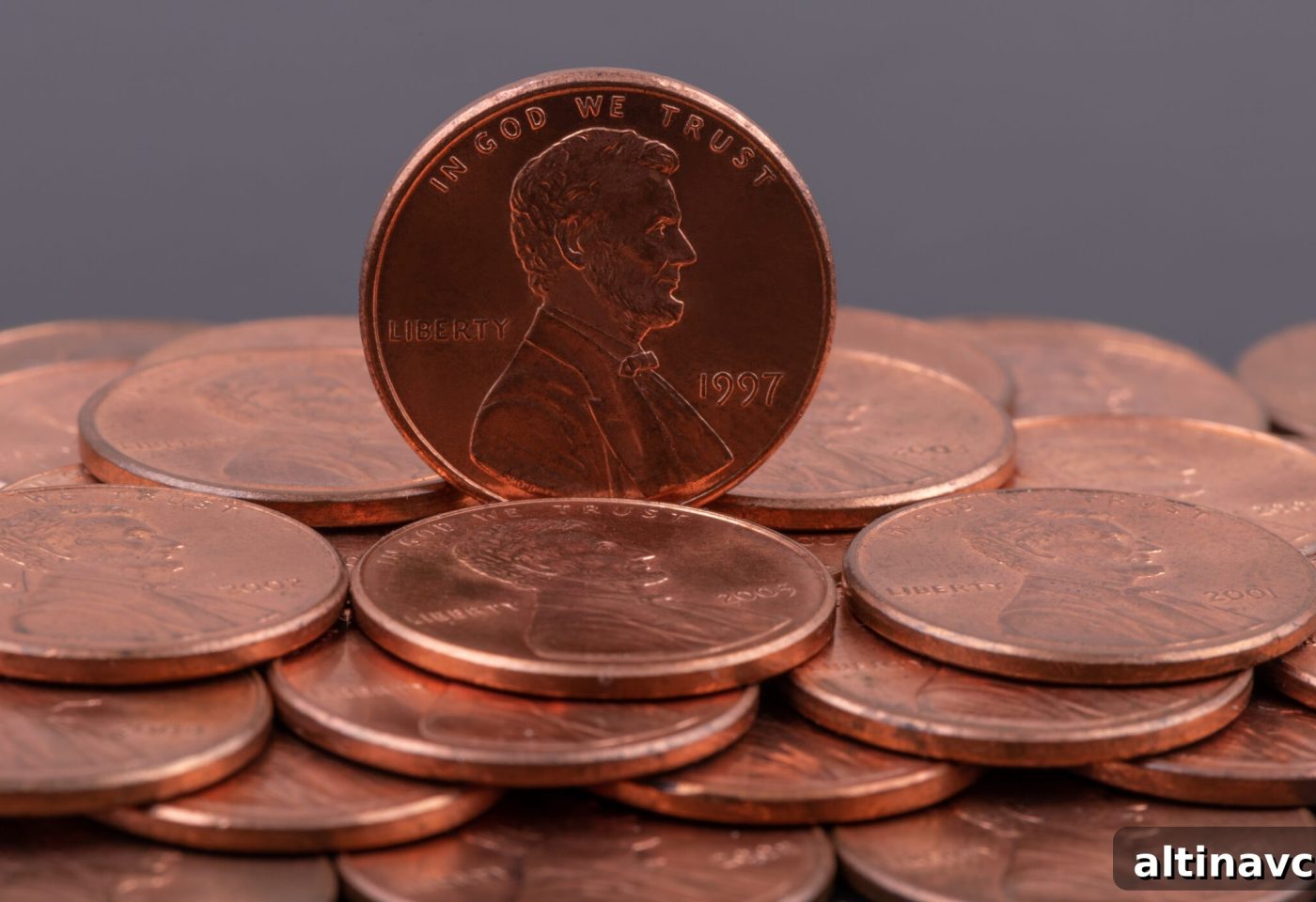
U.S. Mint Weighs Ending the Penny Amid Rising Production Costs
The U.S. Mint is evaluating whether to discontinue the penny in response to steadily rising production costs and a noticeable decline in the coin’s use for everyday transactions. With each penny now costing more than three cents to produce, the Mint’s operations are generating a loss that ultimately falls on taxpayers. This growing imbalance has renewed debate about the penny’s practicality and its place in a modern currency system.
Why Production Costs Matter
When the cost to make a coin exceeds its face value, governments face a direct financial shortfall. That shortfall translates into taxpayer-funded subsidies for circulating low-denomination coins. Maintaining production, distribution and handling of coins also incurs indirect costs for retailers, banks and the logistics networks that move cash. These cumulative expenses have prompted policymakers and economists to question whether continuing to mint pennies is an efficient use of public resources.
Arguments for Eliminating the Penny
Proponents of discontinuing the penny emphasize several practical and economic points. First, eliminating pennies would remove the immediate fiscal loss tied to their production. Second, reducing the number of coin denominations can simplify cash transactions, lowering handling and processing costs for businesses and financial institutions. Third, as electronic payments become more common, the need for low-denomination coins has decreased. Supporters also point to international examples—countries such as Canada and Australia have phased out their lowest-denomination coins and adapted pricing and cash-handling practices without major disruption.
Concerns and Counterarguments
Opponents of abolishing the penny raise concerns that removing the coin could lead to subtle price increases, especially if merchants round cash transactions upward. There are also fears about how rounding rules would be implemented fairly and transparently, and whether vulnerable populations who rely on cash could be disadvantaged. Some people have sentimental or historical attachments to the penny, arguing that even a low-value coin plays a role in everyday life and charitable giving.
To address these issues, policymakers would need to consider clear rounding policies, consumer protections and public education campaigns. Any transition strategy would need to ensure that rounding practices are neutral over time, preventing systematic gains for sellers at the expense of buyers.
International Experience and Lessons
Experience from other countries offers useful lessons. When nations have removed their smallest denominations, they typically implemented rounding rules and provided ample notice to businesses and consumers. In many cases, fears about widespread price inflation did not materialize, and the transition produced modest administrative savings. However, each economy has unique cash-use patterns, and a policy that works in one country may require adjustments elsewhere to protect consumers and maintain fairness.
Possible Alternatives to Complete Elimination
If policymakers decide against an immediate end to the penny, several alternatives could help reduce costs and inefficiencies. One option is to change the coin’s composition to less expensive materials, lowering production expenses without altering monetary policy. Another approach is to phase out the penny gradually, combined with clear rounding rules and pilot programs to test public response. Policymakers could also encourage digital payments and improve cash-handling efficiencies to lessen demand for low-value coins.
What Comes Next
Any decision to stop minting the penny would require careful analysis of economic impacts, operational adjustments and public communication. The debate highlights broader questions about the role of physical currency in an increasingly digital economy and how to balance tradition with cost-effective monetary policy. As the U.S. Mint and policymakers continue to study the issue, stakeholders from retailers to everyday consumers will have a stake in shaping the outcome.
Ultimately, the discussion about the penny is more than a debate over a single coin. It reflects ongoing considerations about monetary efficiency, fiscal responsibility and how best to adapt currency systems to changing payment habits and technologies.
Popular Topics
Picked from the archive
-
01
 Topics
ECB Cuts Rates to 2.25% as Trump Tariff Looms Over Eurozone
-
02
Topics
ANZ Forecast: Gold Pullback Opens Buying Window Toward $3,600
-
03
Topics
Trump Presses Powell on Interest Rates in White House Meeting
-
04
Topics
Technical Indicators Point to Bullish Breakout for Gold
-
05
Topics
Fed Keeps Rates Steady Despite Trump’s Push to Oust Powell
-
06
Topics
Trump Tariffs and European Growth Push Dollar to 2002 Low
-
07
Topics
US Initial Jobless Claims Jump to 240,000
-
08
Topics
Trump Tariff Threats Could Send Gold to Record Highs