Trump Tariffs and European Growth Push Dollar to 2002 Low
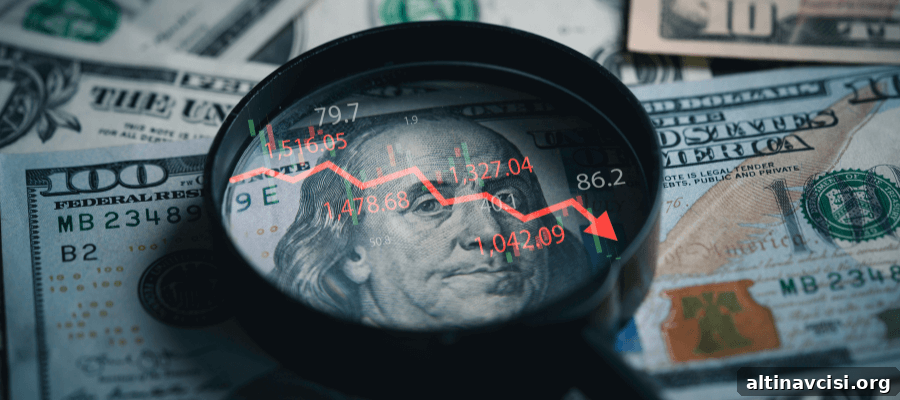
US Dollar Posts Largest Two-Month Drop Since 2002 as Risk and Policy Shifts Reorder Markets
The US dollar is on track to record its largest two-month decline since 2002, slipping roughly 7.7% over March and April 2025. This sharp drop reflects a mix of shifting economic policy in Europe and renewed geopolitical and trade uncertainties that have driven demand for alternative currencies.
What drove the dollar’s decline?
Two main developments have dominated market attention. First, Germany’s move away from decades of tight fiscal restraint toward a more expansionary stance—characterized by increased public spending—has raised expectations for stronger growth across the euro area. Those improved growth prospects have helped lift the euro, as investors reassess growth and interest rate differentials between the United States and the eurozone.
Second, a series of tariff announcements attributed to the US administration has unsettled markets and sent investors toward perceived safe-haven currencies. Concerns over escalating trade measures and the prospect of broader economic disruption encouraged flows into the Japanese yen and the Swiss franc, as well as additional support for the euro as Europe’s growth outlook improved.
Market reactions and investor behavior
Even after briefly edging up about 0.25% on reports that the administration might soften some planned tariffs, the dollar remains under pressure. Market participants are weighing conflicting signals: on the one hand, any sign of softer trade actions can provide temporary relief; on the other hand, the broader combination of policy shifts and safe-haven flows has eroded demand for US currency over the two-month period.
Deutsche Bank has described a “buyers’ strike” among foreign investors toward US assets. That phrase highlights a reluctance by international investors to step back into dollar-denominated securities in meaningful size, despite recovering prices in some markets. Reduced foreign demand can amplify currency weakness by lowering dollar capital inflows that would otherwise support the currency.
Where the major currencies stand
The euro, while briefly lower on the intraday move, remains on track for a significant monthly gain against the dollar—the largest in more than two years. Improved growth expectations in the euro area, stemming from Germany’s fiscal shift and broader macroeconomic developments, are central to that appreciation.
The yen and the Swiss franc have both benefitted from safe-haven flows. In times of geopolitical or trade-related uncertainty, investors often move into these currencies because of their perceived stability and deep financial markets. That dynamic, combined with shifting yield differentials, has supported both currencies against the dollar.
Analysts’ outlook and potential scenarios
Market analysts currently suggest scenarios in which the euro-dollar rate could move higher, with some projections noting the euro may test levels around 1.20–1.25 if current trends persist and if the European growth outlook remains stronger than expected. Such moves would reflect a reassessment of relative growth and interest-rate trajectories between the United States and the euro area.
For the yen, analysts caution that further strengthening could occur if a global economic slowdown prompts major central banks to implement deeper rate cuts than markets currently expect. Altered rate expectations would reshape yield differentials and could increase demand for the yen as investors seek lower-risk assets or reposition fixed-income holdings.
Implications for markets and investors
A sustained dollar decline has broad implications: it can affect commodity prices, corporate earnings for multinational firms, and the competitiveness of exporters. Portfolio managers and corporate treasurers are monitoring both policy shifts and tariff headlines closely, seeking to hedge currency exposure and reassess asset allocations in light of evolving international flows.
In the short term, currency markets will likely remain sensitive to incoming economic data, central bank commentary, and any concrete developments on trade policy. A reversal in fiscal policy momentum in Europe, a de-escalation of tariff plans, or renewed foreign demand for dollar assets could temper the dollar’s slide. Conversely, further policy surprises or deeper global growth concerns could reinforce current trends.
Overall, the recent movements underscore how fiscal policy decisions, geopolitical risks, and investor sentiment interact to drive currency markets. Market participants will be watching for clarity on both spending plans in Europe and the direction of trade measures in the United States to gauge the next leg of currency shifts.
Popular Topics
Picked from the archive
-
01
 Topics
Reuters Poll: Gold Set to Extend Rally Through 2026
-
02
Topics
Gold’s 30% Post-Election Rally Consolidates as ETF Flows Slow
-
03
Topics
Kevin O’Leary Rejects Wall Street’s 2025 Recession Forecast
-
04
Topics
Zambia Readies Local Content Rules as Copper Output Surges 30%
-
05
Topics
Goldman Analyst: China’s Pre-Holiday Selloff Sends Gold Tumbling
-
06
Topics
Asian Gold Prices Split: India Discounts, China Premiums
-
07
Topics
India Proposes Targeted Zero-Tariff Offer to Speed US Trade Deal
-
08
Topics
China Opens New Hong Kong Gold Vault to Boost Trading