Gold Price Tops $3,300 as Markets Await Fed Decision

Gold Rebounds Above $3,300 as Investors Await Fed Decision
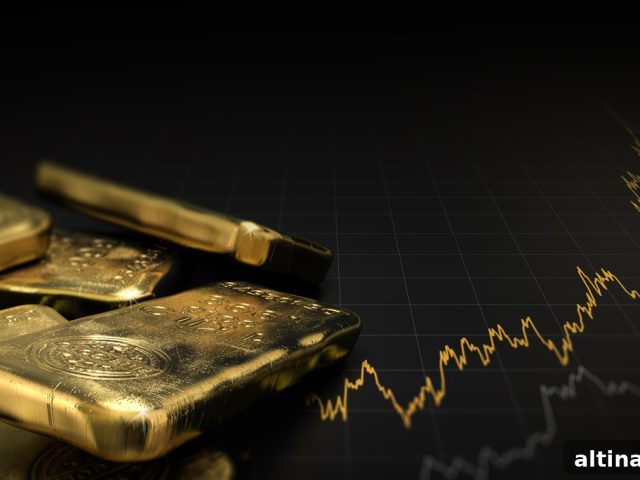
Gold recovered above $3,300 per ounce after registering its first consecutive weekly losses of the year, drawing renewed attention from investors ahead of a closely watched Federal Reserve meeting.
Market Snapshot
After a brief setback, gold has climbed back over the $3,300 mark. The precious metal has posted strong gains so far this year—up nearly 25%—and even reached an all-time high above $3,500 in April. That rally has been fueled by a mix of safe-haven demand, speculative activity, and sustained buying by central banks.
What’s Driving the Move
Several factors are supporting gold prices right now:
- Federal Reserve policy expectations: Investors are focused on an upcoming Fed meeting where rates are expected to remain unchanged. The central bank’s stance on interest rates and its communication about future policy are key for gold, since lower real yields tend to boost the appeal of non-yielding assets like bullion.
- Safe-haven demand: Geopolitical and economic uncertainties have reinforced gold’s role as a defensive investment. When markets are unsettled, buyers often turn to gold as a store of value and hedge against risk.
- Speculative flows and central bank purchases: Speculative interest—particularly in large markets such as China—alongside ongoing purchases by global central banks have added upward pressure on prices.
- Trade tensions: Ongoing trade frictions, particularly between the United States and China, continue to create uncertainty that can support bullion prices.
Political and Economic Signals
Political commentary has also played a role in investor sentiment. President Trump has publicly urged interest rate cuts following robust job-market data, though markets are currently pricing in no change at the Fed meeting. At the same time, geopolitical developments—most notably tensions with China—remain a point of focus. Reports indicate that the U.S. president does not plan to speak with his Chinese counterpart this week, a detail that keeps trade relations and their potential economic fallout on investors’ radars.
Investor Outlook and Near-Term Risks
The outlook for gold in the near term will hinge on a few key items. First, the Federal Reserve’s policy statement and any guidance regarding future rate moves or balance sheet strategy could move markets. If the Fed signals a more dovish stance or emphasizes downside risks to the economy, gold could receive additional support.
Second, macroeconomic readings such as job and inflation data will shape expectations for real interest rates, which influence demand for the metal. Third, developments in trade negotiations or broader geopolitical tensions could reinforce safe-haven buying if uncertainty rises.
What Traders Should Watch
Market participants typically monitor several indicators that affect gold prices:
- Federal Reserve statements and economic projections
- Key U.S. economic releases, including employment and inflation data
- Movements in the U.S. dollar and real interest rates
- News on trade relations and geopolitical developments
Each of these factors can influence short-term volatility and longer-term trends for bullion.
Popular Topics
Picked from the archive
-
01
 Topics
Reuters Poll: Gold Set to Extend Rally Through 2026
-
02
Topics
Gold’s 30% Post-Election Rally Consolidates as ETF Flows Slow
-
03
Topics
Kevin O’Leary Rejects Wall Street’s 2025 Recession Forecast
-
04
Topics
Zambia Readies Local Content Rules as Copper Output Surges 30%
-
05
Topics
Goldman Analyst: China’s Pre-Holiday Selloff Sends Gold Tumbling
-
06
Topics
Asian Gold Prices Split: India Discounts, China Premiums
-
07
Topics
India Proposes Targeted Zero-Tariff Offer to Speed US Trade Deal
-
08
Topics
China Opens New Hong Kong Gold Vault to Boost Trading