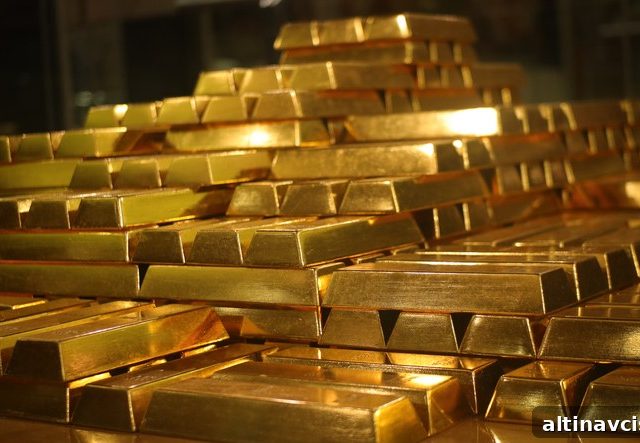
Poland Tops Central Banks with 49-Tonne Gold Buy in Q1 2025
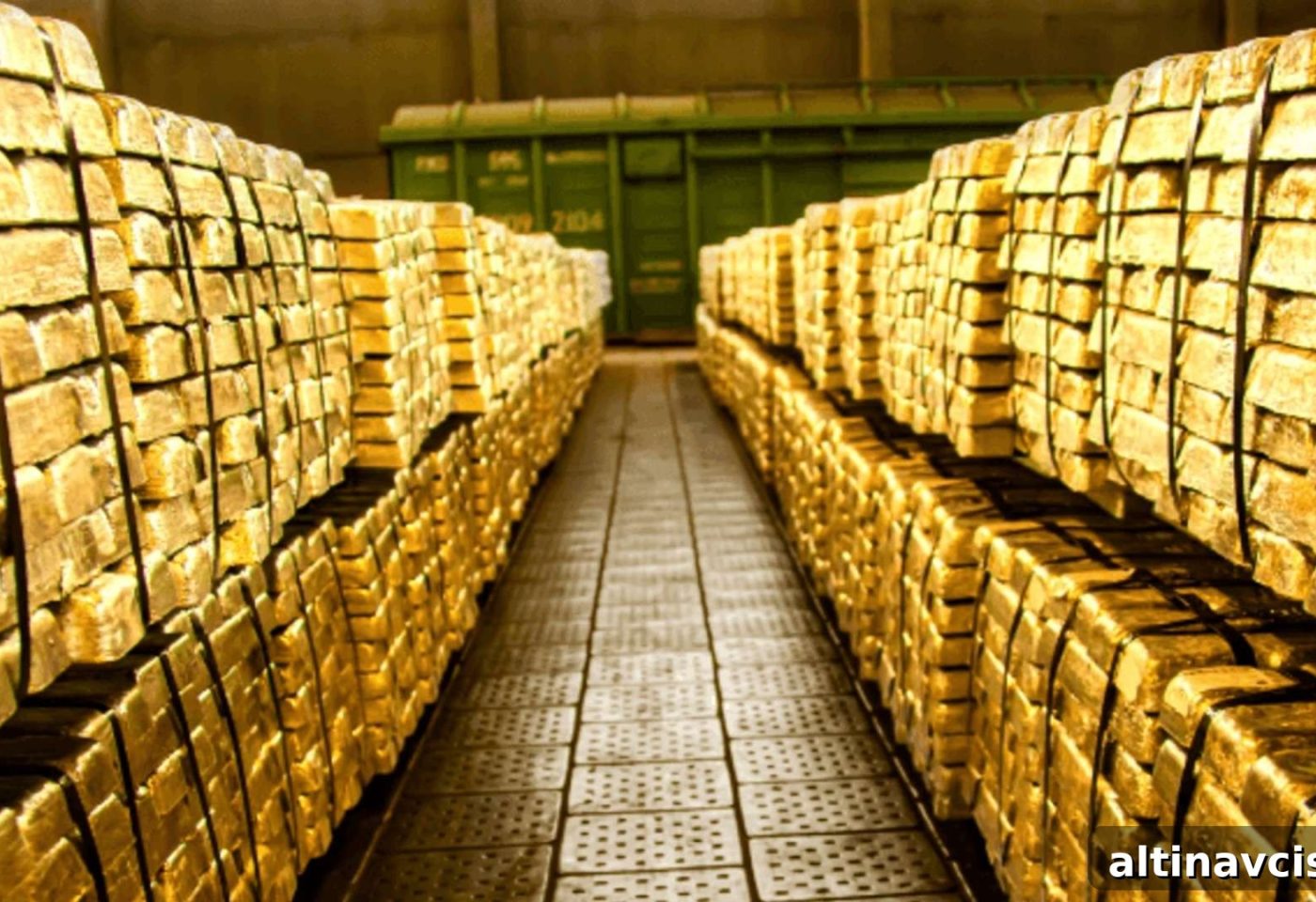
Central Bank Gold Buying in March 2025 and Q1 2025: Key Moves and Market Implications
In March 2025, central banks worldwide continued to accumulate gold, recording net additions of 17 tonnes during the month. This activity reflects ongoing interest by several monetary authorities to adjust reserve portfolios and maintain exposure to a non-yielding, historically stable asset.
Monthly Totals: Purchases and Sales
During March, official institutions purchased a combined total of 35 tonnes of gold. Those acquisitions were partially offset by sales totaling 18 tonnes, resulting in the net monthly increase of 17 tonnes. The pattern—significant gross purchases alongside some sales—illustrates how central banks actively manage reserve allocations rather than purely expanding or contracting holdings.
Major Buyers: Poland Leads, Kazakhstan and China Active
Poland was the single largest buyer in March, adding 16 tonnes to its official reserves. That purchase represented the dominant share of the month’s net build-up in gold holdings. Kazakhstan and China also registered significant purchases during the period, further contributing to the global accumulation trend. While exact tonnages for Kazakhstan and China were not disclosed here, their involvement underscores a broader diversification strategy among reserve managers.
Quarterly Picture: Q1 2025
Looking at the first quarter of 2025, Poland stands out as the most active buyer, having added a total of 49 tonnes to its reserves across January–March. On the other side of the ledger, Uzbekistan has been the most active seller during Q1, reducing its gold holdings by 15 tonnes. These contrasting moves within the same quarter highlight differing national priorities—some central banks are increasing exposure to gold, while others are trimming or rebalancing their portfolios.
Why Central Banks Buy Gold
Central banks typically add gold for several reasons. Gold is often used as a diversification tool to reduce reliance on any single currency; it can hedge against inflation and currency depreciation; and it serves as a liquid asset that can support balance-of-payments needs or confidence in a nation’s reserves. Geopolitical concerns and long-term strategic reserve planning also influence decisions to increase gold holdings.
Market and Policy Implications
Net central bank purchases, such as the 17-tonne increase in March, can bolster investor sentiment around gold and signal longer-term reserve reallocation away from fiat currencies. For markets, sustained demand from official buyers may act as a stabilizing force under conditions of financial uncertainty. Policymakers and analysts often watch these flows closely because they can inform expectations about currency management, inflation outlooks, and international financial resilience.
Takeaways
- March 2025 saw total purchases of 35 tonnes and sales of 18 tonnes, producing a net monthly gain of 17 tonnes in official gold reserves.
- Poland was the largest buyer in March (16 tonnes) and the most active buyer for Q1 2025 (49 tonnes added).
- Kazakhstan and China were also notable purchasers in March, contributing to the global buying trend.
- Uzbekistan was the most active seller in Q1 2025, lowering its holdings by 15 tonnes.
- Central bank gold activity reflects strategic reserve management, diversification, and responses to economic and geopolitical factors.
Overall, the March results and the first-quarter activity show a continuation of a multi-national tendency to hold and selectively increase gold reserves. Observers will likely monitor whether this trend persists through the remainder of 2025 and how it interacts with broader monetary policy and global economic developments.
Popular Topics
Picked from the archive
-
01
 Topics
Nearly 1 in 4 Americans Forced to Choose: Debt or Essentials
-
02
Topics
Gold Prices Surge as Western Investors Return
-
03
Topics
US Launches Tariff Probe into China’s Critical Minerals Supply
-
04
Topics
Gold Prices Dip After 23% Annual Gain on Trade Optimism
-
05
Topics
Treasury Market Steady as GDP Falls and Jobless Claims Rise
-
06
Topics
Trump Tariffs and European Growth Push Dollar to 2002 Low
-
07
Topics
China Outlines Plan to End US-China Trade War
-
08
Topics
Trump’s Remarks Send Gold to Record $3,400