US Launches Tariff Probe into China’s Critical Minerals Supply
President Orders Investigation into Tariffs on Critical Mineral Imports
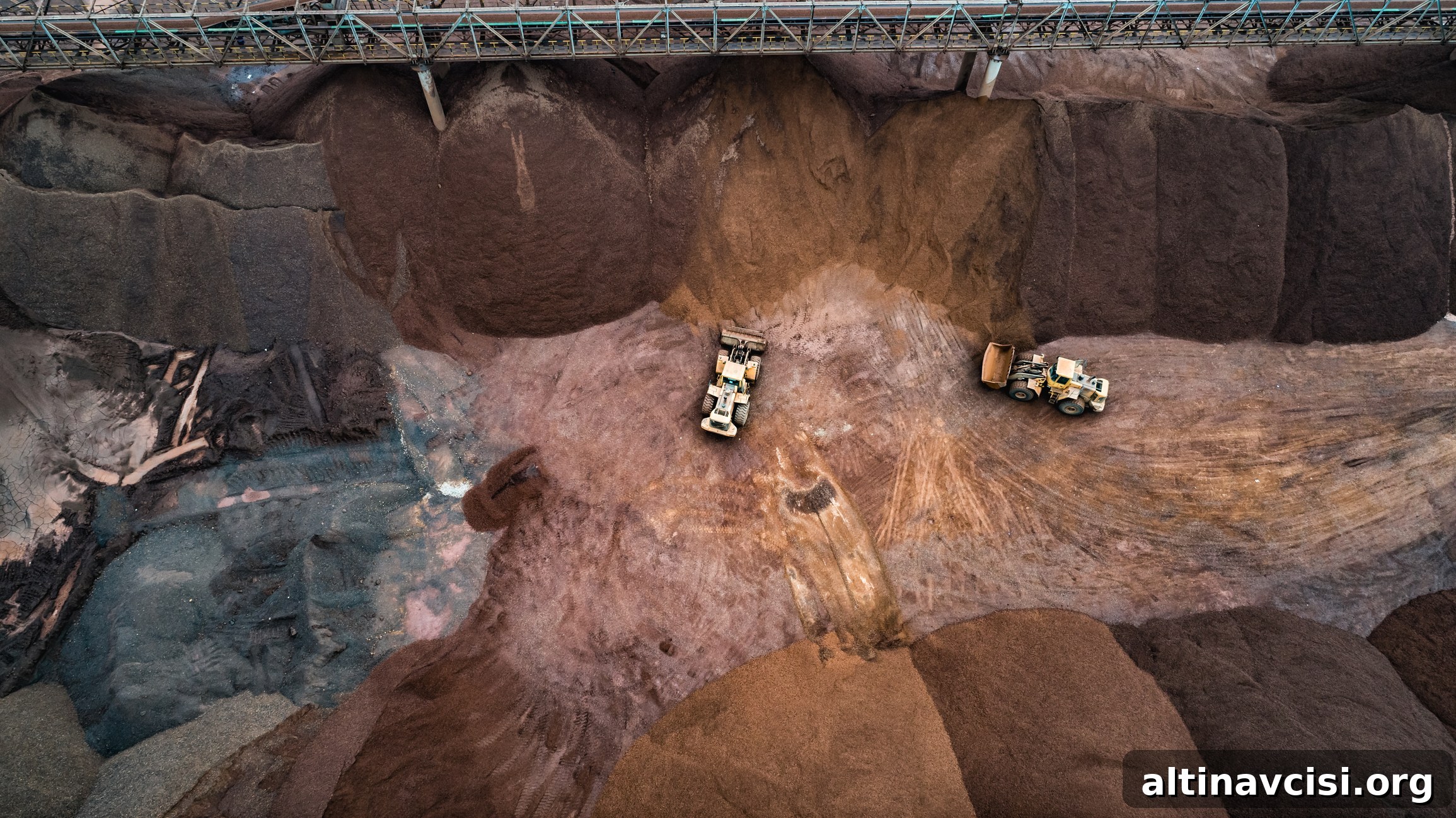
President Trump has directed a formal investigation into the possibility of imposing tariffs on imports of critical minerals, citing national security concerns. The inquiry will explore the market dynamics and supply chains for materials such as cobalt, nickel, rare earth elements, and uranium—minerals that play an essential role in modern industry, defense systems, and clean energy technologies.
Scope of the Investigation
The investigation is intended to assess the degree to which the United States depends on foreign sources for processed critical minerals and to determine whether tariffs could strengthen domestic resilience. Officials say the probe will analyze import volumes, processing capacity, supply chain bottlenecks, and the strategic risks associated with reliance on single-country suppliers for processed materials. The review will cover widely used materials including cobalt and nickel, as well as rare earth elements and uranium, which are crucial for both civilian and military applications.
Why Critical Minerals Matter
Critical minerals underpin a broad range of technologies that are central to modern economic activity and national defense. Cobalt and nickel are vital components in batteries and electric vehicle production. Rare earth elements are necessary for precision electronics, advanced sensors, and many defense-related applications. Uranium remains a key energy resource for nuclear power and has implications for national security infrastructure. Because these minerals feed into high-tech manufacturing, any disruption to their supply or processing can create vulnerabilities across industries.
Supply Chain Vulnerabilities and International Dependence
The United States currently imports a significant share of processed critical minerals from other countries. This dependence can lead to strategic exposure when foreign suppliers restrict exports or when geopolitical tensions interrupt trade. China, which plays a dominant role in the global processing and refining of many rare earth elements and other minerals, has in recent years taken actions that highlighted the United States’ vulnerability in this sector. Those developments have prompted policymakers to examine how tariffs or other trade measures might incentivize domestic processing, diversify supply chains, or reduce strategic risk.
Potential Effects of Tariffs
Imposing tariffs on critical mineral imports could have multiple consequences. Proponents argue tariffs would encourage investment in domestic mining and processing capacity, helping to insulate the U.S. economy from foreign supply shocks and enhancing long-term resilience. Critics caution that tariffs might raise costs for manufacturers that rely on imported minerals, slow the deployment of clean energy technologies, and provoke retaliatory measures by trade partners. The investigation aims to weigh these trade-offs by studying market impacts, potential for domestic scaling, and the broader economic effects of tariff implementation.
What to Expect Next
The probe will gather data on import patterns, processing capacity, and the geographic concentration of mineral supply. It will likely solicit input from industry stakeholders, trade experts, and national security analysts to form a comprehensive view of the risks and benefits. Following the review, the administration could recommend policy steps ranging from targeted tariffs and trade remedies to incentives for domestic processing, stockpiling strategies, or international partnerships designed to diversify supply chains.
Broader Context for Industry and Policy Makers
For manufacturers, defense planners, and policymakers, the investigation signals heightened attention to resource security. Companies that depend on critical minerals may need to reassess sourcing strategies, consider alternative materials, and evaluate how potential tariff changes could affect costs and supply continuity. At the same time, public and private sector efforts to expand domestic refining, recycling, and strategic stockpiles may gain renewed focus if the investigation concludes that import dependence poses a material national security risk.
In short, the administration’s inquiry into tariffs on critical mineral imports reflects growing concern over supply chain resilience and strategic vulnerabilities. The findings of the probe will shape future discussions on trade policy, industrial strategy, and national security planning related to the minerals that power modern technology and defense capabilities.
Popular Topics
Picked from the archive
-
01
 Topics
Reuters Poll: Gold Set to Extend Rally Through 2026
-
02
Topics
Gold’s 30% Post-Election Rally Consolidates as ETF Flows Slow
-
03
Topics
Kevin O’Leary Rejects Wall Street’s 2025 Recession Forecast
-
04
Topics
Zambia Readies Local Content Rules as Copper Output Surges 30%
-
05
Topics
Goldman Analyst: China’s Pre-Holiday Selloff Sends Gold Tumbling
-
06
Topics
Asian Gold Prices Split: India Discounts, China Premiums
-
07
Topics
India Proposes Targeted Zero-Tariff Offer to Speed US Trade Deal
-
08
Topics
China Opens New Hong Kong Gold Vault to Boost Trading