Gold Prices Dip After 23% Annual Gain on Trade Optimism
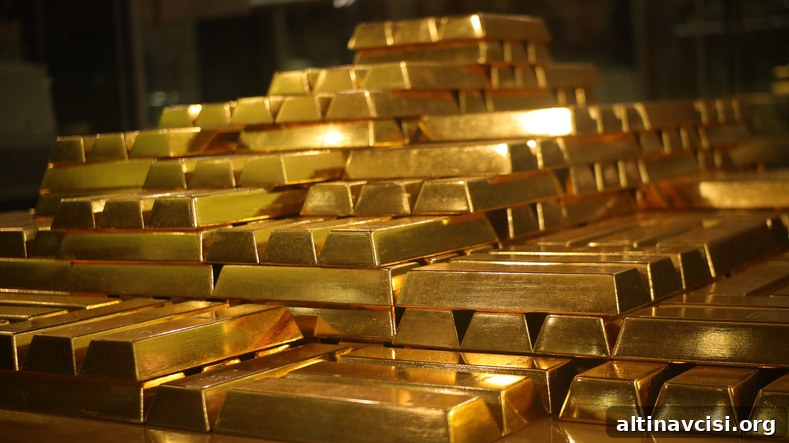
Gold Falls as Trade Optimism Reduces Safe-Haven Demand
Gold’s price fell by 2.1%, slipping to its lowest level in two weeks as improving prospects for trade negotiations diminished demand for traditional safe-haven assets. The pullback followed announcements that the US Trade Representative is close to finalizing deals and reports of renewed communications between Washington and Beijing. Those developments encouraged risk appetite among some investors and weighed on the metal after a recent rally.
Despite the recent decline, gold remains substantially higher year to date, up about 23% for the period and having reached an all-time high above $3,500 last week. That strong performance reflects a mix of underlying drivers: persistent global economic concerns, speculative activity in key markets such as China, and sustained purchases by central banks. Together, these factors have supported the market even as intermittent profit-taking and news-driven corrections occur.
Market participants often turn to gold during periods of economic uncertainty, currency volatility, or geopolitical tension, viewing it as a hedge against inflation and systemic risk. When headlines suggest progress toward resolving trade frictions or easing geopolitical tensions, investors may reduce positions in safe havens in favor of assets perceived to offer higher returns, such as equities or riskier commodities. That dynamic helps explain the recent slide after reports of positive diplomatic and trade developments.
Price action over the past several sessions illustrates the tug-of-war between fundamental support and short-term sentiment. On one side, long-term demand drivers — central bank accumulation, solid investment interest, and physical buying in markets like China — underpin the metal’s elevated levels. On the other, news flow that boosts risk tolerance or signals lower near-term macro uncertainty can trigger swift downside moves as traders rebalance portfolios and take profits following sharp rallies.
Technical traders and short-term strategists also contribute to volatility. After a rapid ascent to record highs, positions that were profitable can be liquidated when momentum softens, amplifying downward pressure. Meanwhile, investors who view the pullback as a buying opportunity may step in at lower levels, providing a counterweight that stabilizes prices. This interaction often leads to choppy trading rather than a clear, sustained trend immediately after headline-driven moves.
For investors and analysts monitoring gold, key considerations include the trajectory of inflation expectations, central bank policy signals, currency movements—especially the dollar—and ongoing geopolitical or trade developments. A stronger U.S. dollar or signs that global growth prospects are improving could moderate gold’s appeal in the short term. Conversely, renewed uncertainty, higher inflation, or continued central bank buying would likely reassert upside pressure on the market.
From an SEO perspective, keywords that matter for readers and search engines include gold price, safe-haven assets, US Trade Representative, US-China talks, central bank purchases, and all-time high. Coverage that explains both the immediate news catalysts and the broader market context helps readers understand why price swings occur and what might influence future direction.
In summary, the recent 2.1% drop represents a correction driven largely by improved trade talk prospects and reported communication between the United States and Beijing, which temporarily reduced demand for safe-haven assets. Nevertheless, the metal’s strong year-to-date gain and last week’s record high above $3,500 reflect broader, durable forces supporting gold. Traders and long-term investors will be watching macroeconomic indicators, central bank behavior, and geopolitical developments to gauge whether the pullback will deepen or become a buying opportunity.
Popular Topics
Picked from the archive
-
01
 Topics
Reuters Poll: Gold Set to Extend Rally Through 2026
-
02
Topics
Gold’s 30% Post-Election Rally Consolidates as ETF Flows Slow
-
03
Topics
Kevin O’Leary Rejects Wall Street’s 2025 Recession Forecast
-
04
Topics
Zambia Readies Local Content Rules as Copper Output Surges 30%
-
05
Topics
Goldman Analyst: China’s Pre-Holiday Selloff Sends Gold Tumbling
-
06
Topics
Asian Gold Prices Split: India Discounts, China Premiums
-
07
Topics
India Proposes Targeted Zero-Tariff Offer to Speed US Trade Deal
-
08
Topics
China Opens New Hong Kong Gold Vault to Boost Trading