Gold Falls as Trade Tensions Ease Despite Monthly Gains
Gold Prices Retreat as Dollar Strengthens and Trade Tensions Ease
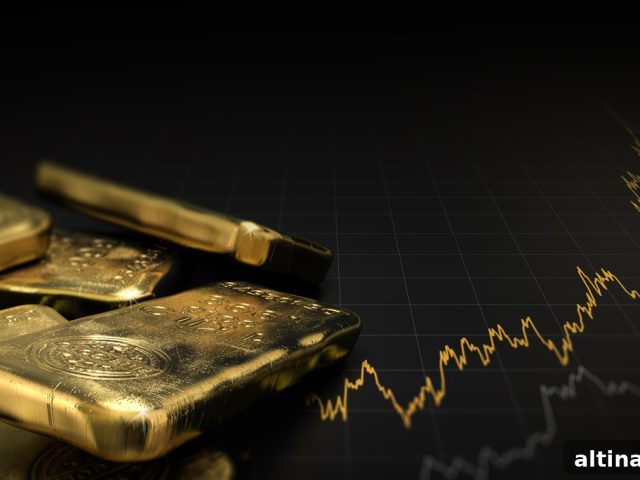
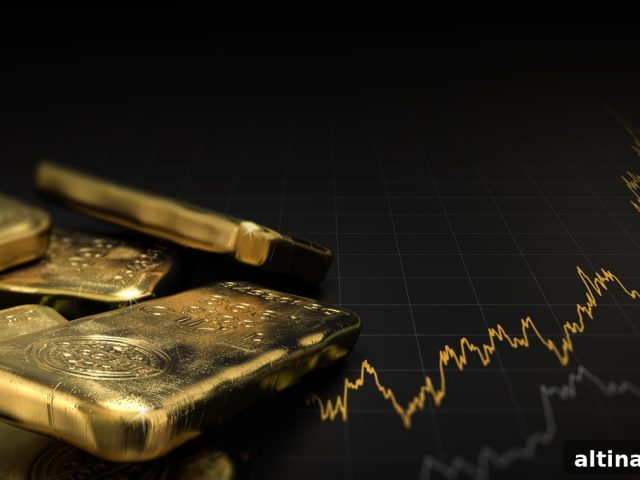
Gold prices eased 1.3% on Wednesday, falling to $3,274.10 an ounce and marking the second consecutive day of declines. The pullback follows a recent surge that took bullion to a record intraday high, and market participants are now reassessing near-term direction amid shifting macroeconomic signals.
Why Prices Fell
Two primary forces are cited for the downward move: a firmer US dollar and diminished US-China trade tensions. A stronger dollar tends to make dollar-denominated commodities such as gold more expensive for holders of other currencies, which can temper demand. Meanwhile, any easing in geopolitical or trade-related uncertainty reduces immediate safe-haven demand for gold, encouraging some profit-taking after recent gains.
Recent Performance and Context
Despite this short-term drop, gold remains on track for its fourth consecutive monthly gain and recorded nearly a 5% rise in April. That month included an all-time intraday high of $3,500.05 on April 22, a milestone that prompted renewed inflows and speculative interest. Following such rallies, it is common for the market to enter a consolidation phase as traders lock in profits and reassess positions.
What Investors Are Watching
Attention has shifted toward upcoming US economic data that could influence the Federal Reserve’s policy outlook. Key releases include personal consumption expenditures (PCE), which is the Fed’s preferred inflation gauge, and non-farm payrolls, a closely watched employment indicator. These reports can affect expectations for interest rate policy: stronger-than-expected inflation or employment figures may increase the likelihood of tighter policy, while softer data could support a more accommodative stance.
Gold is particularly sensitive to interest rate expectations because it does not pay interest. When real interest rates rise, the opportunity cost of holding non-yielding assets like gold tends to increase, potentially putting downward pressure on prices. Conversely, expectations of lower real rates or continued policy accommodation can support gold as an alternative store of value.
Market Outlook and Possible Scenarios
Analysts suggest that gold may be entering a consolidation period after the rapid ascent to record levels. Consolidation typically involves narrower trading ranges and reduced volatility as market participants digest recent moves and await fresh catalysts. Those catalysts could include the upcoming economic data, any shifts in US-China relations, central bank communications, and flows into exchange-traded funds and physical markets.
Scenario considerations include:
- If US economic data points to persistent inflationary pressures and the Fed signals further tightening, the dollar could strengthen and gold may face continued downward pressure.
- If inflation metrics soften or employment data disappoints, expectations for rate hikes could ease, potentially supporting higher gold prices as real rates decline.
- Renewed geopolitical or trade tensions would likely boost safe-haven demand, which could counteract dollar-driven weakness and lift bullion prices.
Investor Takeaways
For investors, the current environment calls for close monitoring of macroeconomic releases and central bank commentary. Short-term traders may look for technical patterns associated with consolidation, while longer-term investors typically weigh gold’s role as an inflation hedge and portfolio diversifier. Maintaining clarity about investment horizons and risk tolerance is important when navigating a market that can react sharply to macroeconomic surprises and shifts in sentiment.
In sum, the recent drop to $3,274.10 represents a corrective move within a broader uptrend that has produced consecutive monthly gains. The coming days’ economic data and any further movement in the dollar or trade relations will likely be the next key influences on gold’s trajectory.
Popular Topics
Picked from the archive
-
01
 Topics
Reuters Poll: Gold Set to Extend Rally Through 2026
-
02
Topics
Gold’s 30% Post-Election Rally Consolidates as ETF Flows Slow
-
03
Topics
Kevin O’Leary Rejects Wall Street’s 2025 Recession Forecast
-
04
Topics
Zambia Readies Local Content Rules as Copper Output Surges 30%
-
05
Topics
Goldman Analyst: China’s Pre-Holiday Selloff Sends Gold Tumbling
-
06
Topics
Asian Gold Prices Split: India Discounts, China Premiums
-
07
Topics
India Proposes Targeted Zero-Tariff Offer to Speed US Trade Deal
-
08
Topics
China Opens New Hong Kong Gold Vault to Boost Trading