US Gives Global Partners Five-Week Deadline for Trade Proposals
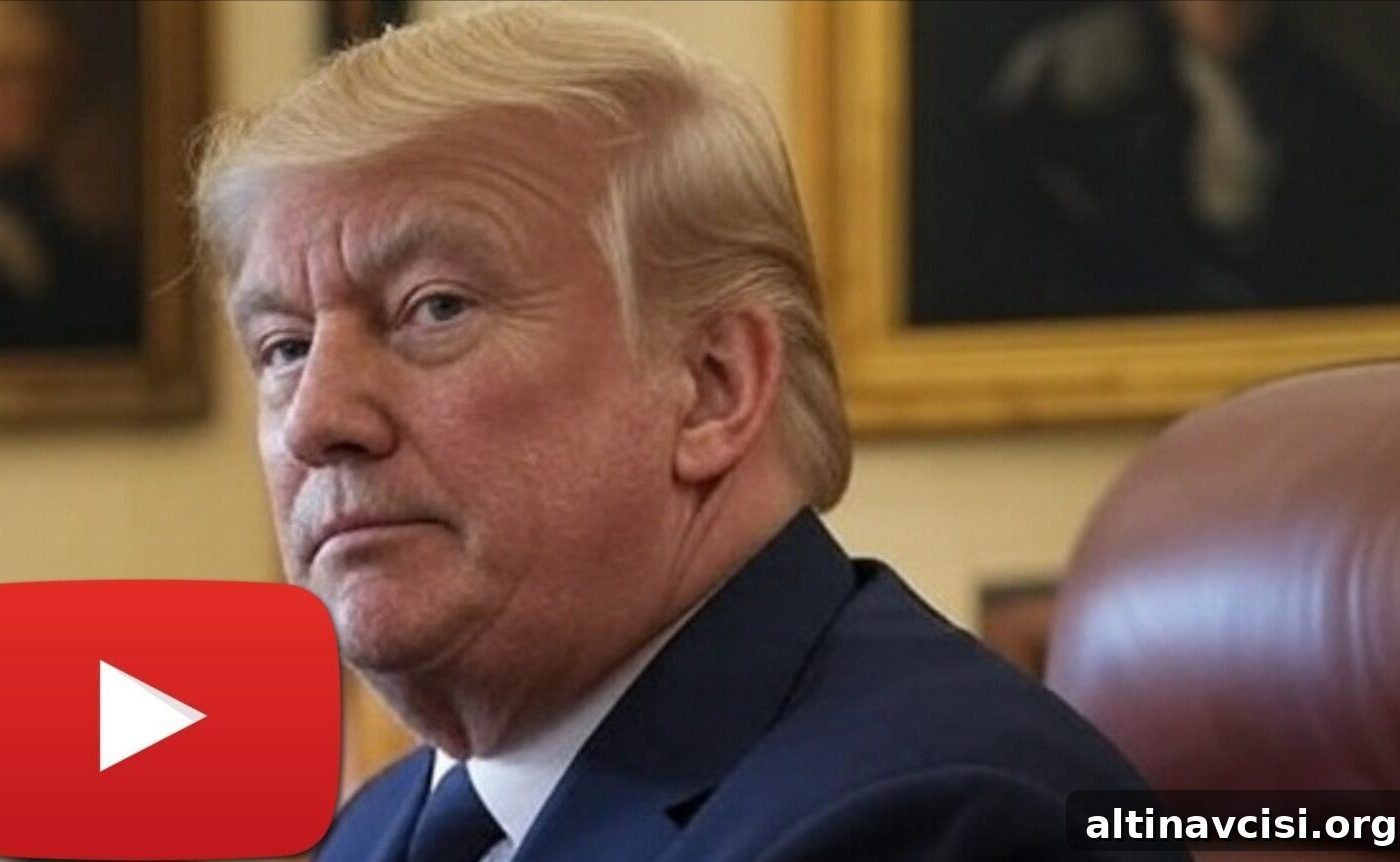
US Accelerates Trade Negotiations Ahead of July 8 Tariff Deadline
The Biden administration has moved to speed up trade talks with multiple trading partners, demanding their best proposals by Wednesday as it races toward a looming July 8 deadline. That date marks the end of a 90-day pause on certain tariff measures—referred to internally as “Liberation Day” tariffs—which were temporarily suspended on April 9 after an adverse reaction from financial markets.
A draft letter circulated by the Office of the United States Trade Representative (USTR) requests comprehensive offers from partner countries. The letter asks governments to submit proposals addressing a range of issues, including changes to tariff schedules, quota arrangements, digital trade frameworks, and measures related to economic and national security. The USTR has indicated it will move quickly to review the replies and to recommend potential compromise positions to U.S. negotiators.
Why the Rush Matters
The compressed timeline reflects a combination of political and market pressures. With the tariff pause set to expire in approximately five weeks, U.S. officials face a narrow window to negotiate acceptable compromises that would avoid a sudden reinstatement of levies. Reintroducing tariffs could have immediate effects on trade flows, corporate planning, and investor sentiment, which helps explain the urgency behind the administration’s request for rapid, substantive proposals.
For partner countries, the deadline creates pressure to balance domestic priorities against the risk of facing renewed trade restrictions. Governments must weigh the economic costs and benefits of proposed concessions in areas such as tariffs and quotas while also considering the sensitivities of digital trade rules and security-related economic measures.
What the Draft Letter Requests
The draft USTR letter outlines several core areas for response. First, it asks for concrete tariff proposals—either reductions, eliminations, or specific modifications—that might form the basis of a bilateral or multilateral agreement. Second, it seeks clarity on quota systems where present, including possible adjustments that would address U.S. concerns while preserving partner-country interests.
Third, digital trade is highlighted as a key negotiation front. The letter requests positions on rules governing cross-border data flows, data localization mandates, and the regulation of digital services, all topics that are increasingly central to modern trade agreements. Finally, the draft covers economic security measures: the USTR is asking partners to outline how they would reconcile trade openness with protections the U.S. deems necessary for national and economic security.
Progress So Far and Possible Outcomes
So far, the most notable development has been a deal with Britain, though U.S. officials describe that arrangement more as a framework than a finished agreement. That framework provides an example of how talks might proceed—establishing broad principles and areas of cooperation while leaving detailed implementation to later stages.
For other countries, responses to the USTR’s request could take several forms: a full, detailed offer that could be fast-tracked into a formal agreement; a partial offer or counterproposal that prompts further negotiation; or no acceptable offer, which could increase the likelihood that paused tariffs are reinstated. The USTR plans to review submissions quickly and may propose compromise positions to bridge gaps between U.S. demands and partner proposals.
Implications and Next Steps
The accelerated process puts decision-makers on a tight schedule. If negotiators can find common ground before the July 8 deadline, the administration could extend or formalize the suspension of tariffs under new terms. If not, the resumption of previously suspended measures remains a possibility, with potential consequences for trade volumes and commercial planning.
Observers will be watching for the content of responses and any signals from the USTR about acceptable compromises. Market participants and affected industries may also react quickly to emerging news, given the short timeframe and the potentially significant implications of either reaching agreements or reverting to tariff measures.
In the coming days, U.S. officials are expected to consolidate submissions, assess legal and economic implications, and determine whether proposed terms are sufficient to avoid the automatic return of tariffs. With time running short, the outcome will depend on how flexible negotiating parties are and how quickly they can align on the complex mix of trade, digital policy, and security-related provisions under discussion.
Popular Topics
Picked from the archive
-
01
 Topics
Louisiana Bill Would Make Gold and Silver Legal Tender
-
02
Topics
Israel Considers Action on Iran as Oil Prices Rise
-
03
Topics
Platinum Prices Surge Toward Decade-Long Trading Range
-
04
Topics
Vietnam Ends State Gold Monopoly, Opens Market to Private Firms
-
05
Topics
Deutsche Bank Cuts S&P 500 Forecast, Wall Street Turns Cautious
-
06
Topics
ECB Cuts Rates to 2.25% as Trump Tariff Looms Over Eurozone
-
07
Topics
Gold Prices Surge as Western Investors Return
-
08
Topics
8 U.S. Cities Now Require Six-Figure Incomes to Rent