Gold Price Holds Near $3,180 as Markets Brace for U.S. Data
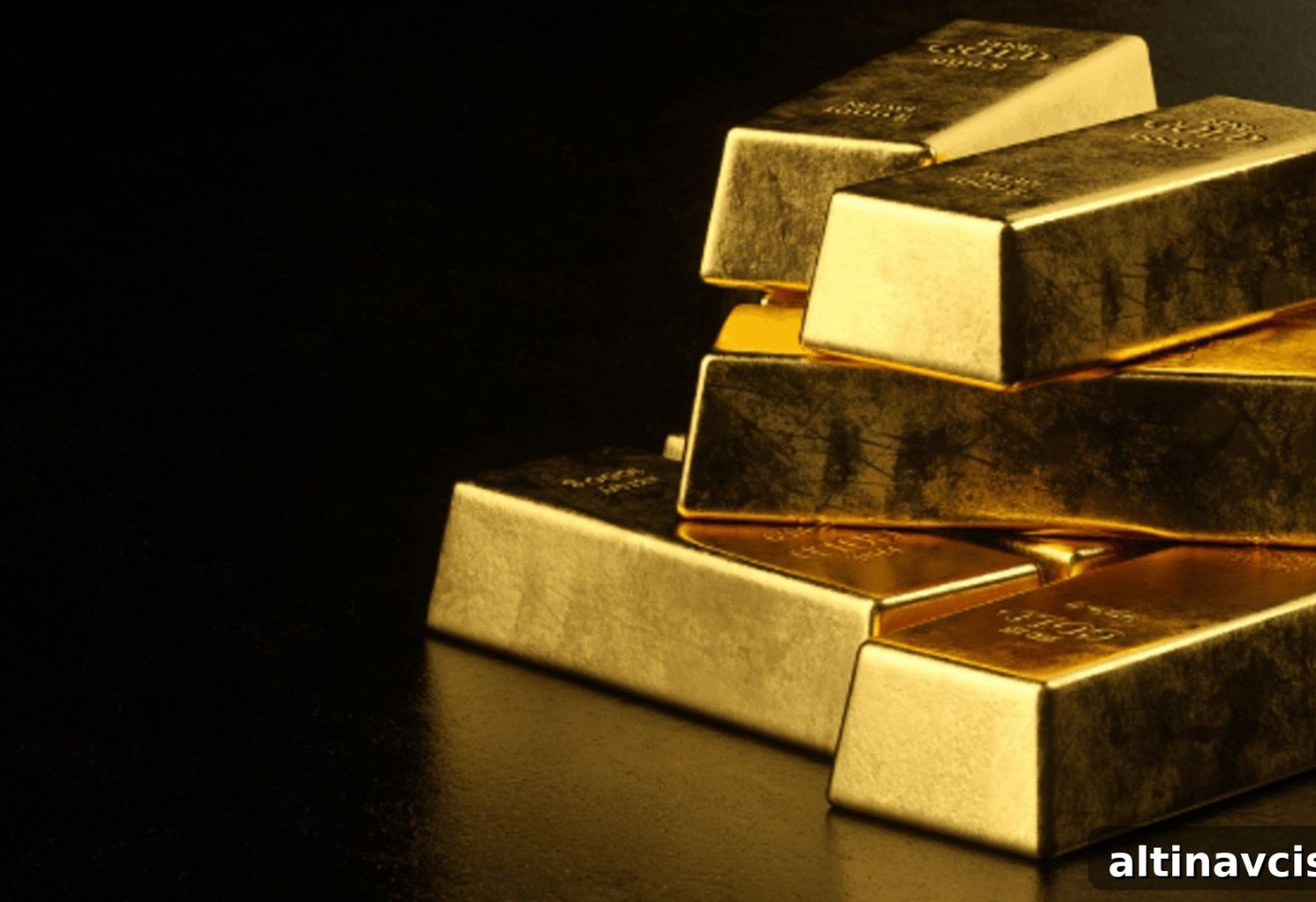
Gold Holds Steady at $3,179 as Dollar Weakens; Markets Await U.S. Inflation Data and Fed Guidance
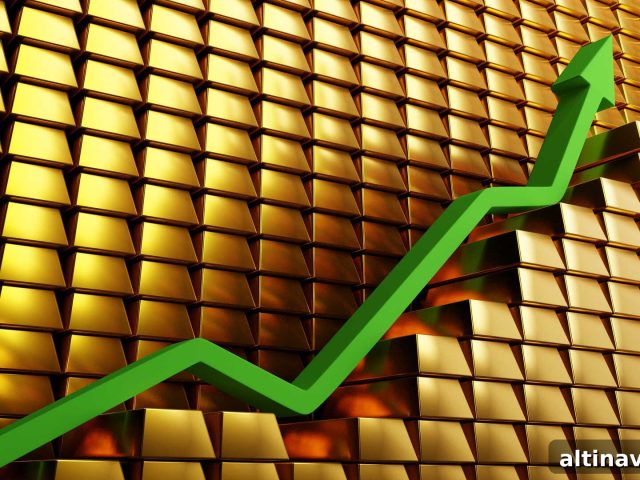
Gold prices recovered from earlier losses on Thursday and were trading around $3,179.07 per ounce as the U.S. dollar weakened. Traders and analysts pointed to short-covering and technical buying near the $3,130 level — a trendline that has been significant since early 2024 — as the main drivers behind the rebound. That support area has repeatedly attracted buying interest, limiting downside risk and encouraging momentum-driven positions to reduce short exposure.
Why a Weaker Dollar Matters for Gold
A softer U.S. dollar typically boosts demand for gold because bullion is priced in dollars and becomes relatively cheaper for holders of other currencies. When the dollar eases, investors often find it more attractive to buy gold, both as a speculative play and as a hedge against uncertainty. In this instance, the combination of currency moves and technical support helped stabilize prices after an early dip.
Safe-Haven Appeal Dented by U.S.-China Tariff Progress
The recent agreement between the United States and China to scale back certain tariffs has reduced, to some degree, gold’s immediate appeal as a safe-haven asset. Easing geopolitical and trade tensions can lessen demand for assets traditionally sought in times of risk aversion. While gold remains an established refuge for investors, improvements in trade relations can shift some capital back into risk assets, tempering the metal’s defensive bid.
Investors Focus on U.S. Producer Price Data and Powell
Market attention has moved to upcoming U.S. producer price figures and remarks from Federal Reserve Chair Jerome Powell. Producer price inflation is a key indicator of underlying price pressures in the economy and often informs expectations about the path for interest rates. Powell’s comments are watched closely for hints about the Fed’s view on inflation, economic conditions and the timing of any policy shifts.
Current market pricing reflects an expectation of roughly 50 basis points in rate reductions over the course of the year, with many participants forecasting those cuts could begin as soon as October. Expectations for lower policy rates tend to support gold because rate cuts can reduce real yields, lowering the opportunity cost of holding non-yielding bullion and making the metal more attractive as an inflation hedge and store of value.
Technical and Sentiment Drivers
Beyond macroeconomic data and policy signals, short-covering and technical momentum are playing an outsized role in near-term price dynamics. When a key trendline — such as the $3,130 area — holds, algorithmic and discretionary traders often respond quickly, squeezing short positions and amplifying rebounds. Conversely, a decisive break below such technical support could trigger further selling. For now, the technical picture is lending stability to prices while participants await fresh economic guidance.
Other Metals: Palladium Outlook
In other precious metals news, specialist firm Johnson Matthey has indicated that the palladium market is expected to move from a deficit to a more balanced position in 2024. The shift is attributed to a projected 6% drop in palladium demand, driven by reduced gasoline vehicle production and higher levels of recycling in China. The combination of lower industrial demand and greater material recovery could ease tightness in the palladium market, with implications for pricing and supply dynamics in auto-catalyst applications.
What to Watch Next
Key near-term catalysts for gold include U.S. producer price data and comments from Fed Chair Powell, which together will influence the market’s view on the timing and magnitude of rate cuts. Exchange-rate moves, particularly the U.S. dollar, will remain an important immediate driver. Technically, the $3,130 trendline is a level market participants are watching closely for evidence of sustained support or a potential break lower. For palladium and other industrial metals, developments in vehicle production and recycling—especially in China—will be critical to balance and pricing outlooks.
Overall, gold’s recent resilience reflects a combination of macroeconomic expectations, currency dynamics, and technical support. Investors will likely maintain a cautious stance ahead of fresh inflation data and central bank commentary, using those releases to reassess risk positioning across precious and industrial metals.
Popular Topics
Picked from the archive
-
01
 Topics
Gold Price Nears $3,350 Amid Geopolitical Tensions, Weak Dollar
-
02
Topics
Trump’s Remarks Send Gold to Record $3,400
-
03
Topics
Bessent Rejects CEOs’ Recession Fears, Urges Main Street Focus
-
04
Topics
Fed Likely to Hold Rates Amid Rising Economic Concerns
-
05
Topics
Gold vs Silver 2025: Which Precious Metal Will Outperform?
-
06
Topics
Poland Tops Central Banks with 49-Tonne Gold Buy in Q1 2025
-
07
Topics
China Says Tariffs Are Meaningless, Targets Boeing and Minerals
-
08
Topics
Asian Buyers Return as Gold Prices Retreat from Records