Copper Surge: What the Melt-Up Means for Markets
Metal Markets Surge: Copper Joins Gold, Silver and Platinum in a Broad Rally
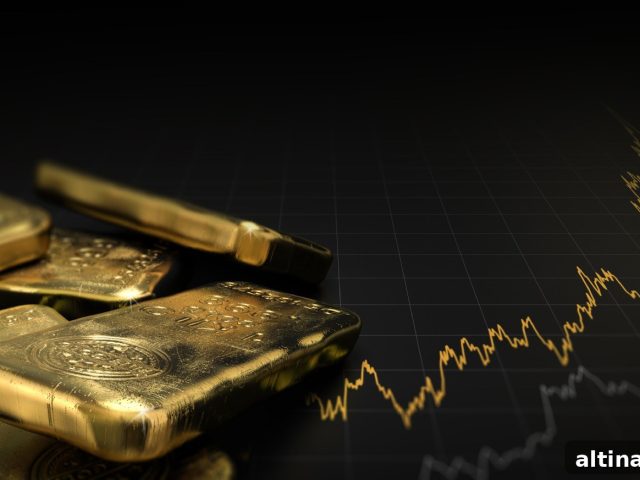
Metal markets are experiencing a notable upswing. Since the start of the year, gold and silver have each climbed roughly 26%, platinum has surged about 49%, and copper has risen nearly 12% after the announcement of a new 50% import tariff by President Trump. This broad-based gain across precious and industrial metals is drawing attention from investors, manufacturers, and policymakers alike.
What’s Driving the Rally in Metal Markets?
Several forces appear to be converging to lift metal prices. One striking aspect of this rally is that it has taken place without a corresponding surge in headline inflation measures. That suggests market participants are pricing in risks or conditions that may not be fully captured by official CPI data.
Investors often use metals as a hedge against monetary policy shifts, currency weakness, and geopolitical uncertainty. At the same time, industrial metals such as copper respond to expectations about economic activity and infrastructure spending. In this environment, a mix of portfolio rebalancing, increased speculative interest, and real demand expectations can push prices higher even when reported inflation is moderate.
Tariffs, Domestic Production and Manufacturing Costs
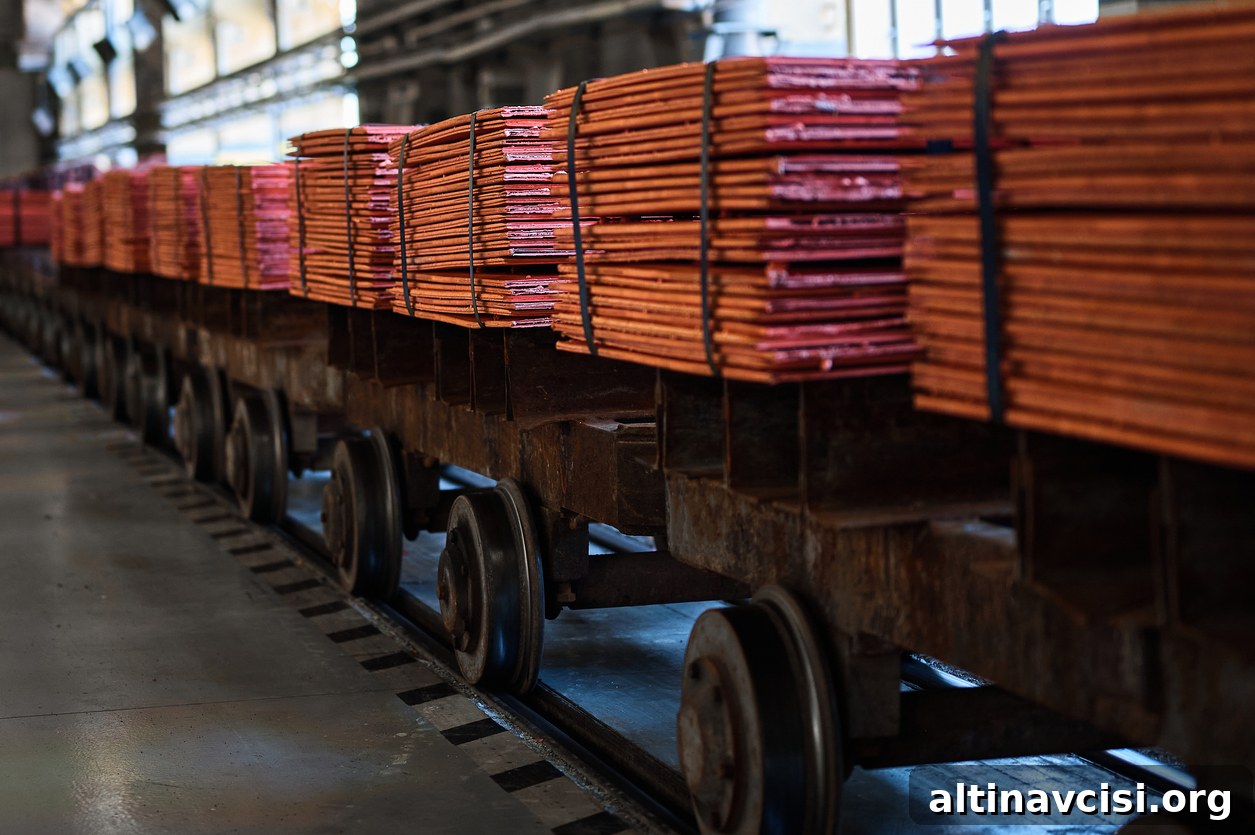
The recent 50% tariff on copper imports is aimed at encouraging domestic production and strengthening U.S. supply chains. In theory, tariffs can incentivize local mining and processing by making foreign copper more expensive. Policymakers often frame such measures as steps to protect strategic industries and reduce reliance on overseas suppliers.
However, tariffs can have unintended consequences. If domestic production cannot ramp up quickly enough to replace imports, higher raw material costs may be passed down the supply chain. That can raise expenses for U.S. manufacturers who rely on copper for wiring, electronics, construction, and transportation infrastructure. In short, a policy designed to boost local industry could temporarily increase manufacturing and infrastructure costs, at least until domestic capacity expands.
Copper Supply Constraints and Long Lead Times
Underlying the current copper price strength is a tightening supply picture. Demand for copper is expected to grow—driven by traditional industrial uses and by emerging demand from renewable energy, electric vehicles, and grid upgrades. Yet the supply response is slow. Developing new copper mines is capital-intensive and time-consuming; projects commonly take more than a decade from discovery to production because of permitting, financing, engineering, and construction demands.
As a result, even when higher prices make new projects economically attractive, the physical increase in output can lag significantly. Limited expansion at existing mines and constrained near-term project pipelines can leave the market sensitive to any uptick in demand or policy shifts that affect trade flows.
Implications for Investors and Industry
For investors, the metals rally underscores both opportunity and risk. Precious metals such as gold and silver often benefit from safe-haven flows and expectations of looser monetary policy, while industrial metals like copper are tied closely to growth and supply fundamentals. Traders should consider the different drivers behind each metal and the potential volatility that policy moves and supply disruptions can create.
For manufacturers and infrastructure planners, higher metal prices mean higher input costs and potential project budget pressures. Those sectors will be watching closely to see whether tariffs spur new domestic investment or whether elevated prices persist until global supply can adjust.
Bottom Line
The broad rally across gold, silver, platinum, and copper reflects a mix of investment demand, policy developments, and supply realities. Markets appear to be pricing in risks beyond what headline inflation figures show. Meanwhile, tariffs intended to boost U.S. production could raise costs in the near term, and copper’s tight supply backdrop—compounded by long lead times for new mines—means the market may remain sensitive to changes in demand and trade policy.
Popular Topics
Picked from the archive
-
01
 Topics
US Economy Sees First GDP Decline Since 2022: Q1 Falls 0.3%
-
02
Topics
Tariffs Drive Up Consumer Prices as Inflation Rises
-
03
Topics
Bullion Premiums: How to Spot Fair Prices
-
04
Topics
Silver Approaches $40 Amid Tightening Supply and Trade Tensions
-
05
Topics
Russia Taps $1B Chinese Gold Market Amid Geopolitical Shift
-
06
Topics
Gold Prices Rise on Trade Tensions and Currency Moves
-
07
Topics
Goldman Sachs Sees Gold Price Reaching $4,000 by Mid-2026
-
08
Topics
Goldman Sachs: Central Bank Demand Pushes Gold Past Silver