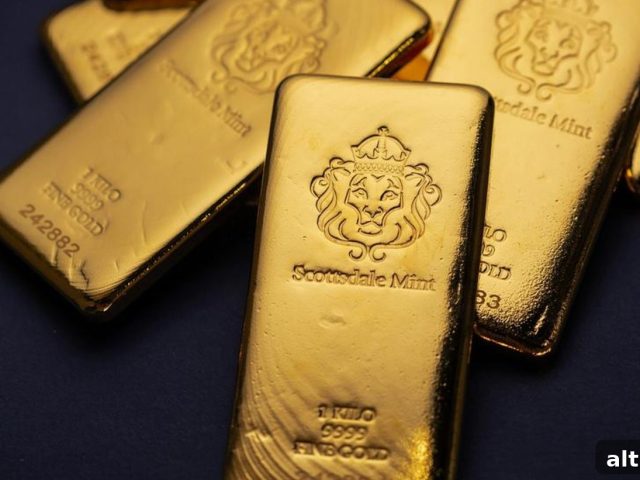
Why Is the Gold Price Rebounding After a 9-Day Drop?
🌆 Evening News Nuggets | Today’s top stories for gold and silver investors
March 25th, 2026 | Brandon Sauerwein, Editor
📈 TODAY’S PRICES
- Gold: ~$4,560–$4,568 (+2.1–2.3%)
- Silver: ~$71–$73 (+1.5–3.8%)
- Gold:Silver Ratio: ~63–65
The Bounce Is Real — But Is It A Bottom?
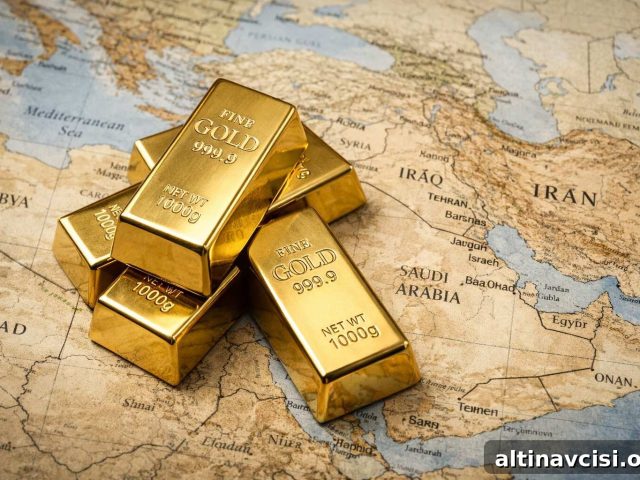
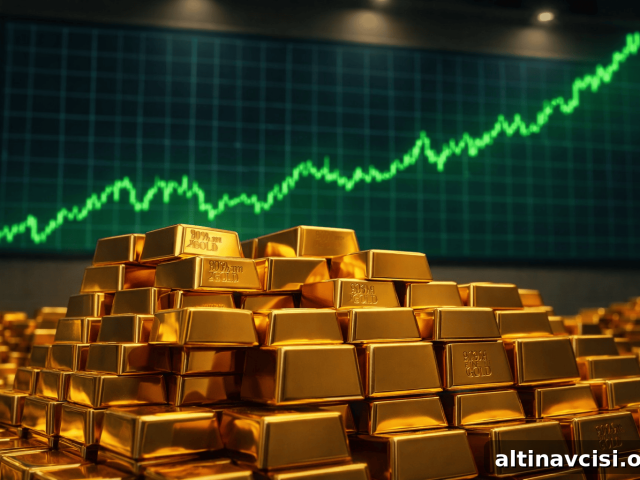
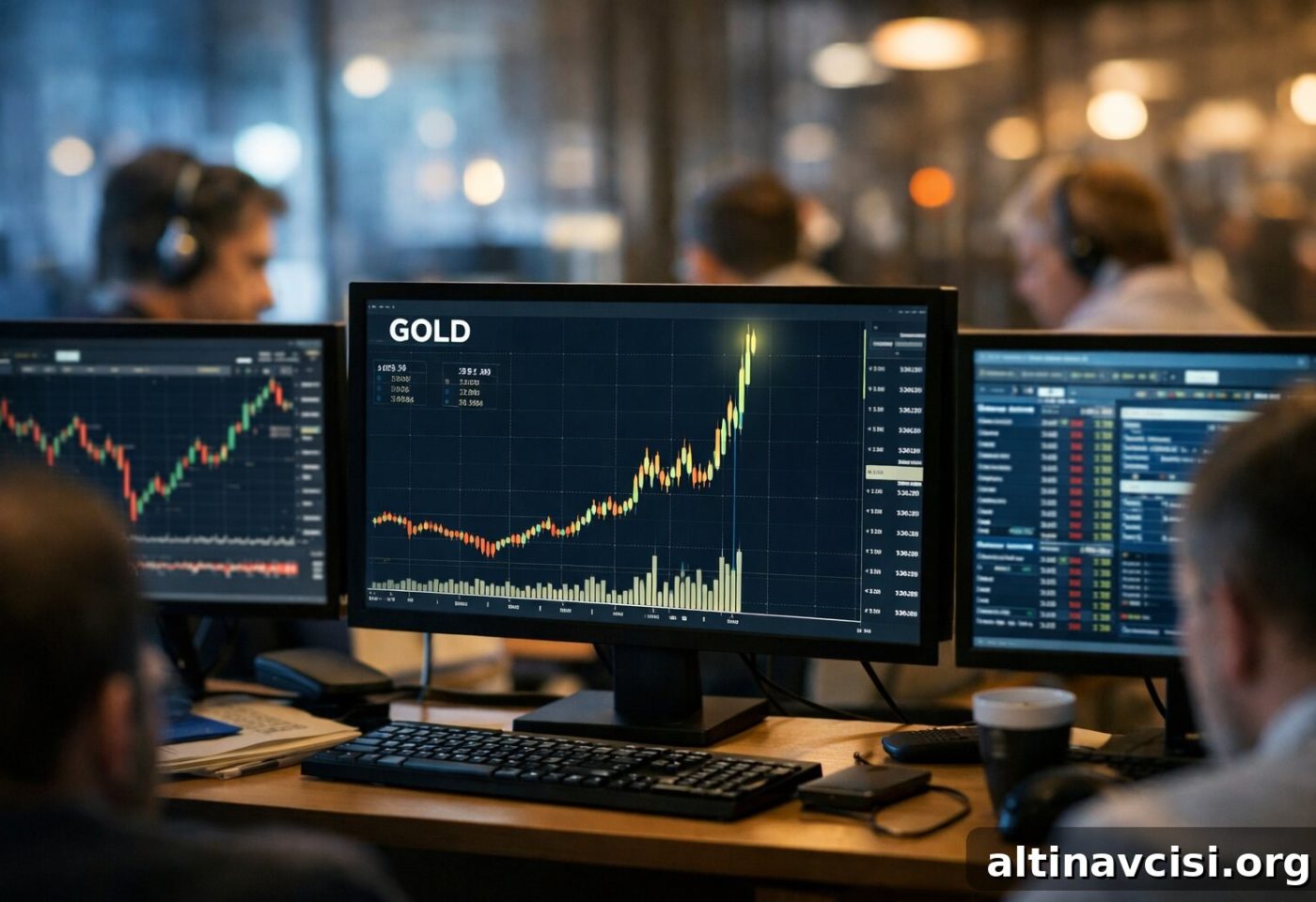
Today’s rebound in precious metals follows a painful stretch of selling: gold rose roughly 2% and silver spiked intraday by as much as 3.8% after nine consecutive down days. That snapback reflects a classic oversold reaction after a sharp selloff—buyers stepping in to pick up the physical and short-covering accelerating the move.
March has been brutal: gold is down more than 13% for the month and silver corrected over 20% from its early-March highs before finding some footing. These moves cleaned out a lot of speculative positioning and left both metals technically oversold on shorter timeframes.
Technically, today’s buying interest found strength near the $4,546 level. Analysts caution, however, that the broader structure still looks corrective rather than decisively bullish. If selling pressure returns, downside risk remains toward the 200-day moving average and, in an extended decline, toward the roughly $4,000 area that market participants have discussed. That’s not a prediction; it’s a reminder that corrective phases can resume after short bounces.
For traders, this is a high-volatility bounce day to watch closely—not a signal to assume the low is in. Practical signs to look for before calling a bottom: follow-through buying on higher volume, daily closes above recent resistance levels, and confirmations across related markets such as silver and miners. For longer-term investors, short-term swings are noise against the larger themes supporting precious metals.

What Happened in 1971?
The guide that explains the moment our financial system changed.
The Iran Wildcard: Peace Plan Chaos Moves Markets
The biggest story today is geopolitics. Reports say Iran received a 15-point peace plan from President Trump that was reportedly delivered through Pakistani intermediaries. The White House described the matter as ongoing negotiations, while Iran publicly rejected the initial proposal and offered a counter-demand that surprised markets.
Tehran’s counteroffer reportedly included a demand for sovereignty over the Strait of Hormuz, the narrow shipping lane through which a significant share of the world’s oil supply transits. That kind of demand immediately raises concerns about global oil flows and the potential for supply disruptions, which in turn affects energy prices and inflation expectations.
Markets reacted rapidly and unevenly. U.S. equity futures initially rallied more than 1% on the peace-plan reports, then retreated as Iran pushed back. Crude oil fell more than 4% in morning trading as traders tried to reconcile hopes for a de-escalation with the reality of a tougher Iranian stance. These swings underscore how fragile market sentiment remains while negotiations and military tensions are unresolved.
For precious metals, geopolitical uncertainty is a core bullish input. Even the hint of negotiated progress that might reduce immediate war risk will ebb demand for safe havens in the very short term, but unresolved disputes and the specter of renewed disruption keep a structural bid under gold and silver.
The Fed Trap: Stagflation Pressure Isn’t Going Away
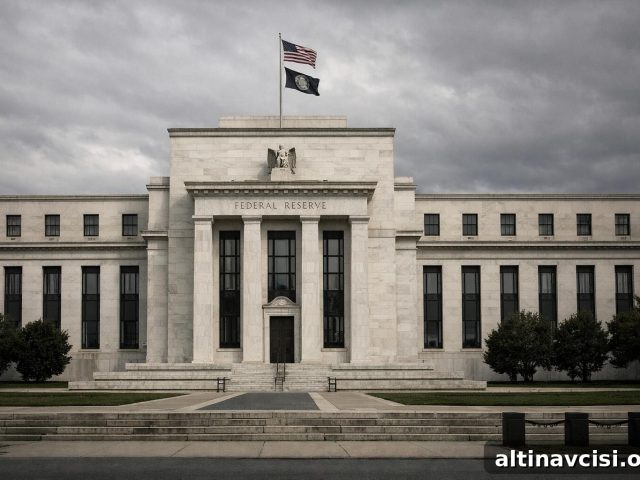
Last week’s Federal Open Market Committee meeting set a tone that still matters today. The Fed held rates steady and now anticipates only one 25-basis-point cut for 2026, down from the two cuts markets had expected before the Iran conflict intensified. That shift keeps policy tighter than many investors had hoped.
The core dilemma is a possible stagflationary shock: the same geopolitical disruption that could slow economic growth may also lift energy prices, creating upward pressure on inflation while growth weakens. Policymakers face a trade-off: easing to support growth risks higher inflation; tightening to rein in prices risks choking off growth. In that environment, the argument for real assets such as physical gold strengthens, because gold tends to preserve purchasing power when currency-based returns are under pressure.
If inflation expectations remain sticky and the Fed resists cutting rates, real yields could stay elevated or even move higher, which complicates the narrative. Investors should watch inflation indicators, Fed communications, and oil-market developments for signs of whether the “higher for longer” environment will prevail.
The Bottom Line
Gold and silver are bouncing sharply after a historic March correction. Short-term optimism—driven by reports of diplomatic overtures—pushed oil lower, softened the dollar, and gave oversold markets a reason to recover. But the fundamental and structural pressures that supported precious metals before the selloff have not disappeared.
The Fed remains cautious, geopolitical uncertainty is unresolved, and inflationary channels tied to energy and supply disruptions are still active. For long-term holders, disciplined accumulation at these levels still makes sense as part of a diversified portfolio. For traders, the path back to higher prices is unlikely to be smooth: expect volatile intraday moves, false starts, and the need for clear confirmations before positioning heavily.
Watch key technical levels, monitor real-time developments around the Strait of Hormuz and oil markets, and keep an eye on Fed guidance and inflation data. Manage position sizes, use stop-losses or protective strategies where appropriate, and remember that in uncertain markets a patient, long-term perspective often matters more than chasing short-term bounces.
Stay On Top of Gold & Silver Prices
Get important market alerts sent straight to your inbox.
You May Also Like
- Gold Safe Haven Bid Returns After Nine-Day Selloff
- Gold Price Correction Settles as Saudi Arabia Eyes Iran War
- What’s Driving Gold’s Sharpest Pullback of the Year
- Gold Price Drop Today — War Rages as the Debt Hits $39 Trillion
- Gold Price Outlook: Fed Holds, PPI Climbs
- Gold Price Today Holds at $5,000 — What’s Driving It
- Gold Price Forecast 2026: Fed, Iran, and the $6,000 Question
Popular Topics
Picked from the archive
-
01
 Topics
J.P. Morgan 2026 Gold Forecast: What Investors Need to Know
-
02
Topics
Gold Safe-Haven Demand Returns After 9-Day Selloff
-
03
Topics
Tariff Uncertainty Could Push US Into Recession by Fall 2025
-
04
Topics
Gold and Silver Prices Today: Fed Moves, Stagflation Outlook
-
05
Topics
Morgan Stanley Predicts Gold Price at $4,800 While Silver Lags
-
06
Topics
High Earners Falling Behind on Credit Cards and Auto Loans
-
07
Topics
Buying Local: How Nations Build Foreign Reserves Without Dollars
-
08
Topics
Gold Drops as Trade Tensions Ease; Tariffs Could Reverse Gains