Gold Drops as Trade Tensions Ease; Tariffs Could Reverse Gains

Gold Prices Slip as Trade Tensions Ease but Uncertainty Keeps Market Alert
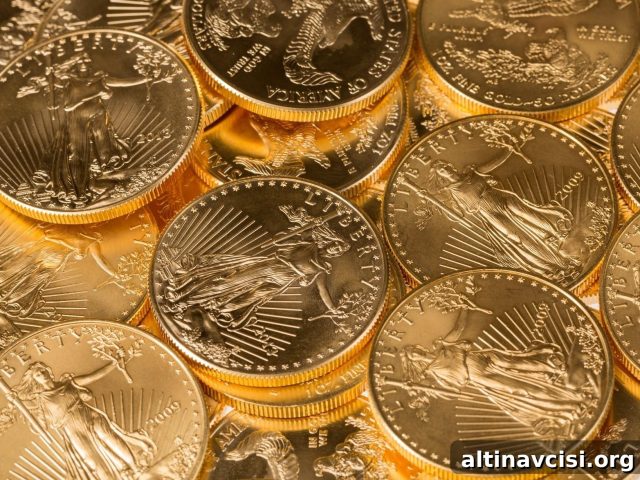
Gold prices fell further after an easing of global trade tensions, as market participants adjusted expectations for near-term safe-haven demand. President Trump extended the deadline for new tariffs, giving governments and businesses more time to negotiate and reducing the immediate risk of an abrupt trade confrontation. That reduced urgency for investors to flock to gold, which is traditionally seen as a refuge in times of geopolitical or economic stress. Spot gold dropped 0.3% to $3,292.50 an ounce, adding to earlier losses.
Why Prices Fell
The recent pullback reflects a combination of softer risk-off flows and changing macroeconomic expectations. When trade tensions ease, even temporarily, some capital shifts back into riskier assets such as equities, sapping demand for gold. At the same time, market participants have scaled back expectations for aggressive Federal Reserve rate cuts, and Treasury yields have risen. Higher yields increase the opportunity cost of holding non-yielding assets like gold, putting downward pressure on prices.
Lingering Risks and Triggers to Watch
Despite the near-term decline, several sources of uncertainty could reignite safe-haven demand. President Trump signaled the possibility of tariffs on copper and pharmaceuticals, comments that underscore how quickly trade policy headlines can change. Any re-escalation of trade tensions or new rounds of tariffs would likely restore or amplify gold’s appeal as a hedge against geopolitical and economic risk.
Investors will also be closely watching central bank policy signals, inflation metrics, and economic data that influence interest rate expectations. A shift back toward expectations of rate cuts or fresh signs of economic weakening could lift gold again, while sustained increases in real yields would likely continue to weigh on prices.
Support from Central Bank Buying and Year-to-Date Gains
Even with the latest dip, gold has posted strong gains this year, rising roughly 25%. A key driver behind that advance has been persistent central bank buying. Many official institutions have been adding to their reserves, and China has been a notable buyer—recording its eighth consecutive month of purchases. Central bank accumulation can provide a structural demand floor for the market, supporting prices over the medium term even when speculative flows fluctuate.
Market Dynamics: Supply, Demand and Investor Behavior
Gold’s price behavior is shaped by a mix of factors: physical demand from consumers and industry, ETF and institutional flows, and central bank purchases. In times of calm, jewelry demand and industrial consumption can matter more; in times of stress, investment demand tends to dominate. The interaction between Treasury yields, the dollar, and investor risk appetite often determines which of those influences proves decisive in the near term.
What Investors and Observers Should Monitor
Key variables that market participants will monitor include:
- Any new announcements or concrete actions on tariffs and trade policy that could alter global growth expectations.
- Statements and data that shift expectations for Federal Reserve policy, particularly indications about the timing and scope of rate cuts.
- Movements in Treasury yields and real interest rates, which affect the opportunity cost of holding gold.
- Central bank purchasing trends, especially continued activity from major buyers such as China.
- Geopolitical developments that could prompt a renewed flight to safe assets.
Outlook Summary
Gold’s short-term direction remains sensitive to headlines and shifts in monetary policy expectations. The recent extension of tariff deadlines eased some immediate trades-related fears and nudged prices lower, but the market is still exposed to reversals if trade rhetoric hardens or if central banks and economic indicators move in ways that favor safe-haven assets. With robust year-to-date gains and ongoing official sector buying, gold retains structural support even as volatility may persist.
Popular Topics
Picked from the archive
-
01
 Topics
Gold Drops from Record Highs as Global Trade Relations Improve
-
02
Topics
Oil Posts Largest Monthly Drop Since 2022 as Prices Stabilize
-
03
Topics
Fed Says It’s Poised to Wait as Trade Policy Remains Unclear
-
04
Topics
Australia’s Central Bank Delays Rate Cut as Inflation Eases
-
05
Topics
Foreign Treasury Selloff Threatens U.S. Borrowing Costs
-
06
Topics
US Credit Downgrade Sparks Gold Price Rally
-
07
Topics
Gold Falls Below USD 3,350 After Strong US Jobs Report
-
08
Topics
Kevin O’Leary Rejects Wall Street’s 2025 Recession Forecast