Foreign Treasury Selloff Threatens U.S. Borrowing Costs
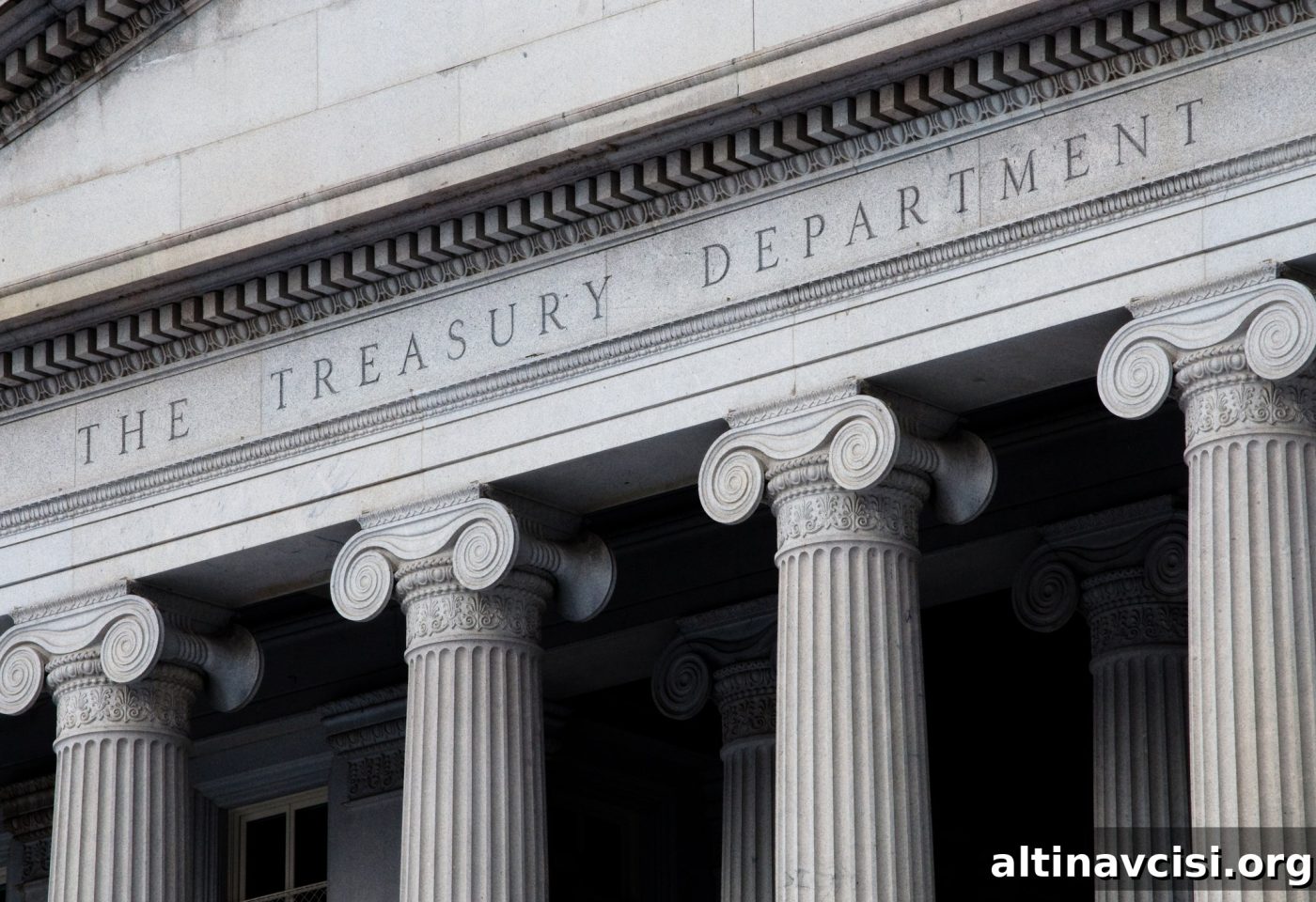
Foreign Investors Rapidly Selling U.S. Treasuries in April 2025 Amid Tariff Disputes
BNY Mellon data indicates that foreign investors accelerated sales of U.S. Treasury bonds in April 2025, a trend linked to escalating tariff disputes announced by the White House. John Velis, BNY’s Americas macro strategist, warned that the traditional “haven” status of U.S. Treasuries is being questioned, noting that the week ending April 11 saw one of the largest foreign selloffs in recent years.
What the Data Shows
According to the BNY report, the pace of foreign selling picked up noticeably after an April 2 announcement of major “reciprocal” tariffs. Although the administration later said it would pause some of those tariff measures for 90 days, the announcement alone appears to have unsettled global investors. This reaction is reflected in large outflows from Treasury markets and a rapid decline in foreign demand for U.S. sovereign debt over a short period in April.
Why This Matters: Financing the U.S. Deficit
The United States finances a significant portion of its budget deficit by issuing Treasury securities, and a substantial share of that debt historically has been bought by foreign investors. Over the past decades, foreign ownership of U.S. Treasury debt has fallen—from roughly 50% in 2008 to about 30% today—shifting the composition of holders but not eliminating the need for steady demand from overseas buyers.
When foreign investors reduce their holdings of Treasuries, U.S. borrowing costs can rise. The mechanism is straightforward: selling pressure lowers bond prices and pushes yields higher. Higher Treasury yields translate into increased interest rates across the economy, affecting everything from the federal government’s cost of borrowing to mortgage rates, corporate borrowing costs, and the rates consumers pay on credit.
Tariffs, Policy Risk, and Investor Confidence
The White House has defended tariffs as tools to combat issues such as fentanyl trafficking, to control immigration, and to encourage domestic manufacturing. However, policy disputes that increase trade tensions or introduce uncertainty about cross-border economic relations tend to make global investors more cautious. In this instance, the tariff announcements appear to have created a spike in perceived policy risk, prompting some foreign holders to reduce exposure to U.S. debt.
John Velis summed up the investor concern succinctly: Treasuries’ “haven status is increasingly in question.” That shift in perception is important because Treasuries have long been seen as one of the safest and most liquid assets in global financial markets. A weakening of that reputation could alter capital flows and market dynamics beyond the immediate selloff.
Potential Market and Economic Implications
- Higher borrowing costs for the federal government, which would increase interest expenses and potentially widen budget pressures.
- Upward pressure on consumer borrowing rates, including mortgages and personal loans, if Treasury yields remain elevated.
- Possible spillovers to corporate finance: companies may face higher costs when issuing debt, potentially weighing on investment and hiring decisions.
- Greater market volatility as investors reassess the risk and return profile of U.S. assets relative to international alternatives.
Outlook and Considerations
Whether this episode represents a temporary reaction to a specific policy announcement or the beginning of a more sustained shift in global demand for Treasuries will depend on several factors: future policy steps by the administration, how long tariff threats or trade disruptions persist, and whether alternative buyers—domestic institutions, pension funds, or private investors—step in to fill the gap left by foreign sellers.
Policymakers and market participants will be watching upcoming fiscal decisions and any further developments in trade policy closely. Restoring investor confidence typically requires clarity about policy direction and assurances that U.S. financial assets remain an attractive, stable place for global capital. Absent that clarity, the risk is that decreased foreign demand could push Treasury yields higher and raise borrowing costs for the government and American households alike.
Popular Topics
Picked from the archive
-
01
 Topics
Reuters Poll: Gold Set to Extend Rally Through 2026
-
02
Topics
Gold’s 30% Post-Election Rally Consolidates as ETF Flows Slow
-
03
Topics
Kevin O’Leary Rejects Wall Street’s 2025 Recession Forecast
-
04
Topics
Zambia Readies Local Content Rules as Copper Output Surges 30%
-
05
Topics
Goldman Analyst: China’s Pre-Holiday Selloff Sends Gold Tumbling
-
06
Topics
Asian Gold Prices Split: India Discounts, China Premiums
-
07
Topics
India Proposes Targeted Zero-Tariff Offer to Speed US Trade Deal
-
08
Topics
China Opens New Hong Kong Gold Vault to Boost Trading