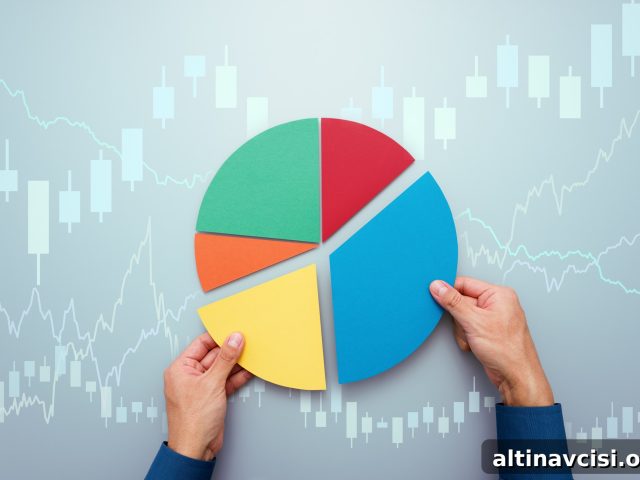
Gold Drops from Record Highs as Global Trade Relations Improve
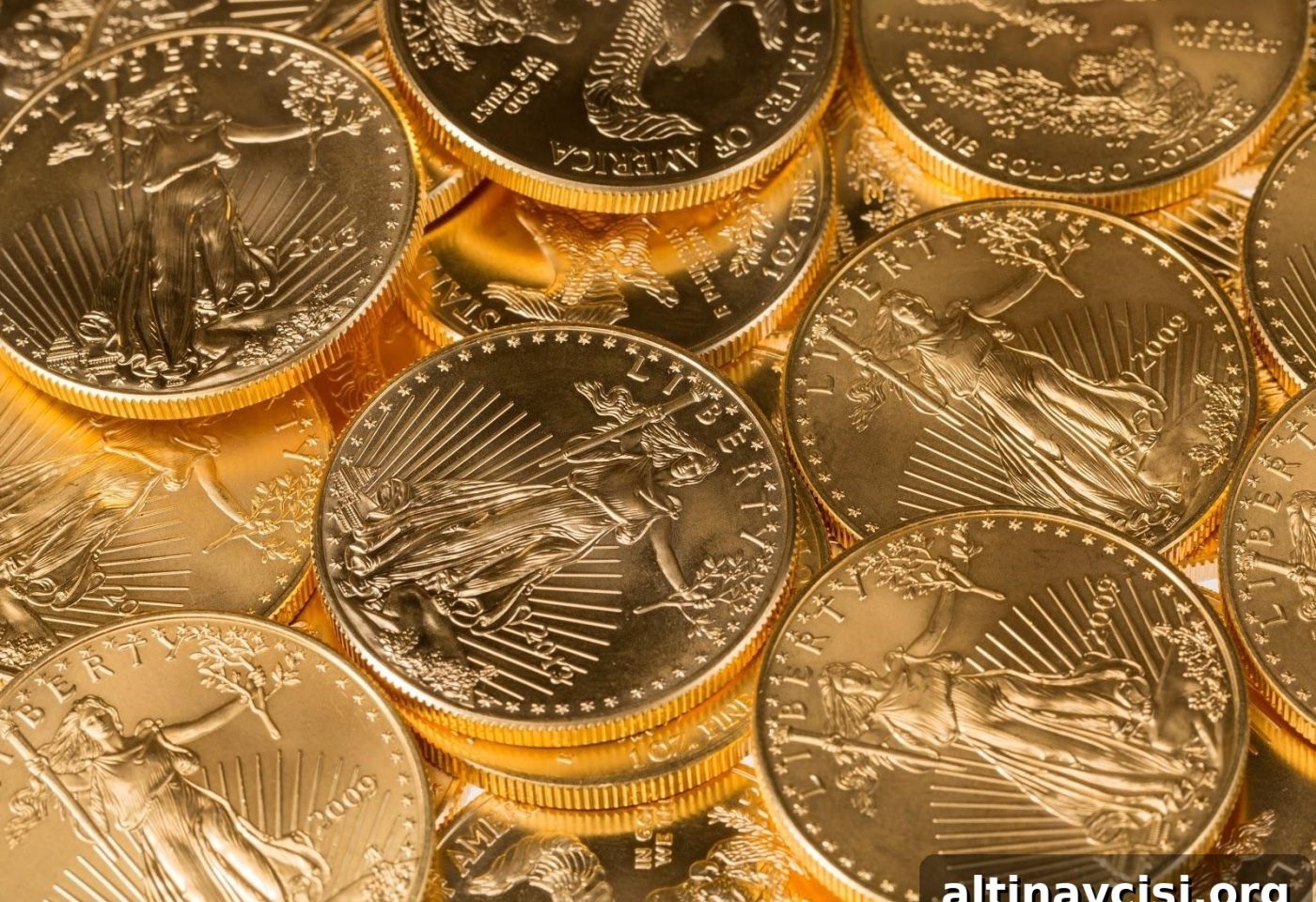
Gold Prices Dip Near $3,200 as Safe-Haven Demand Eases
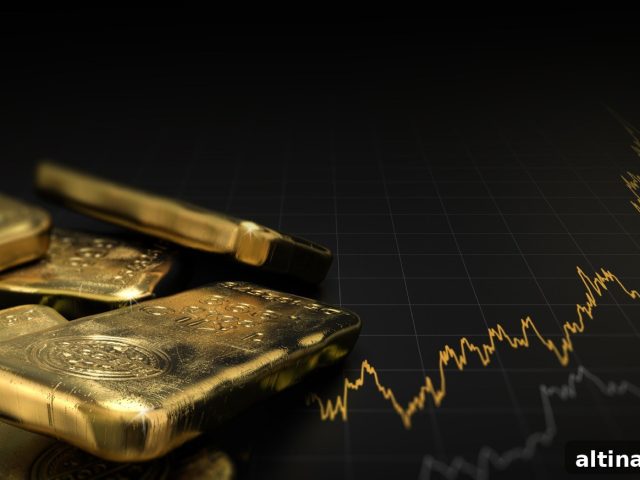
Gold prices slipped as much as 1.4%, trading around $3,200 an ounce and stretching a weekly decline of roughly 3.5%. The pullback follows two main forces: profit-taking after a strong run-up in prices, and a retreat in safe-haven demand as signs of improved US-China trade relations have eased some market uncertainty. While the short-term move shows volatility, the metal’s larger gains earlier this year remain a key part of the context for investor behavior.
Market participants point to profit-taking as traders lock in recent gains, reducing immediate upside momentum. At the same time, a lessening of geopolitical and trade-related worries typically drains some of the urgency behind gold’s status as a refuge in turbulent times. Christopher Wong of Oversea-Chinese Banking Corp summed up this dynamic by saying gold is showing a degree of “fatigue” as reduced trade tensions ease market uncertainty. That sense of fatigue can translate into increased volatility and muted buying interest until fresh catalysts re-emerge.
Despite the recent pullback, gold has enjoyed a strong performance over the broader period: it has appreciated by more than 20% so far this year. That substantial advance underpins why many institutional investors continue to view gold as a meaningful portfolio diversifier. According to UBS Group’s chief investment officer, gold still plays an important role in reducing portfolio risk and hedging against certain economic scenarios, even when short-term price movements are choppy.
The drivers behind gold’s rally earlier this year remain evident. Increased inflows into gold-backed exchange-traded funds (ETFs) helped support demand, while significant purchases by central banks added a steady source of institutional buying. Speculative interest, particularly from Chinese market participants, has also contributed to upward pressure on the metal. Together, these demand channels helped push prices toward record levels, leaving gold currently trading roughly $300 below its recent all-time high.
For investors and observers, the current environment highlights several themes. First, gold’s price is sensitive to shifts in perceived financial and geopolitical risk—when tensions rise, safe-haven demand often strengthens; when tensions ease, that demand can ebb. Second, technical and behavioral elements such as profit-taking and short-term positioning frequently amplify moves in either direction. Third, diverse sources of demand—ETFs, central banks, and regional speculative activity—can combine to sustain longer-term trends even when momentary corrections occur.
Looking ahead, the outlook for gold will depend on the interplay of macroeconomic indicators, central bank policy signals, and developments in international relations. Inflation expectations, interest rate trajectories, and currency movements can all influence gold’s attractiveness relative to other assets. At the same time, any sudden deterioration in trade relations or new geopolitical shocks could quickly revive safe-haven flows and push prices higher again. Market participants should therefore be prepared for potential swings in either direction as sentiment shifts.
Practically speaking, investors weighing exposure to gold should consider their time horizon and risk tolerance. For those seeking diversification benefits, a measured allocation can help cushion portfolios against specific risks without relying on short-term price predictions. For traders focused on shorter horizons, monitoring liquidity, ETF flows, and central bank activity can provide clues about near-term direction. Regardless of approach, the recent pullback serves as a reminder that gold markets can be volatile even amid a broadly positive trend.
In summary, the recent 1.4% intraday drop and roughly 3.5% weekly decline reflect a mix of profit-taking and a temporary easing of safe-haven demand tied to improving US-China trade sentiment. While gold has cooled in the short term, its strong year-to-date performance, continued ETF and central bank demand, and its role as a portfolio diversifier all support the metal’s longer-term relevance to investors.
Popular Topics
Picked from the archive
-
01
 Topics
Japan’s Finance Minister: U.S. Treasuries Could Sway Trade Talks
-
02
Topics
Report: Republican Tax Bill Masks Over 1 Trillion in Future Debt
-
03
Topics
Silent Gold Bank Run: What COMEX Data Reveals
-
04
Topics
Treasury Market Steady as GDP Falls and Jobless Claims Rise
-
05
Topics
Trump’s China Tariffs Disrupt US Supply Chains
-
06
Topics
Gold Prices Dip After 23% Annual Gain on Trade Optimism
-
07
Topics
ECB Cuts Rates to 2.25% as Trump Tariff Looms Over Eurozone
-
08
Topics
Asian Currencies Rise: Signs of De-Dollarization in FX Markets