Trump’s China Tariffs Disrupt US Supply Chains
Tariffs on Chinese Goods Trigger Sharp Drop in Cargo Shipments and Risk a Major Supply Shock
President Trump’s imposition of 145% tariffs on goods from China has had an immediate and dramatic effect on trade flows: cargo shipments have fallen by roughly 60% since early April. That steep decline has sent alarms through retail and manufacturing supply chains, with industry leaders warning that a supply shock could materialize as soon as mid-May, the point when many companies must begin restocking inventories for the upcoming back-to-school and holiday seasons.
Retailers Brace for Empty Shelves and Higher Prices
Retailers and wholesalers are reporting sharply reduced incoming shipments and growing difficulty securing product. Many describe their operations as effectively “paralyzed,” with purchase orders paused or delayed while companies reassess sourcing strategies and inventories. The immediate consequences are already visible in order backlogs and slowed inbound freight. If inventories are not replenished in the weeks ahead, store shelves will likely show gaps and consumers can expect higher prices as limited supply meets steady or rising demand.
Those warnings are not limited to small specialty stores: large retail chains, seasonal merchandise suppliers and consumer goods manufacturers are all part of the same interconnected system. Because retail planning relies on predictable lead times, a sudden drop in imports complicates markdown schedules, promotional plans and the ability to meet consumer expectations during critical selling periods.
Logistics Networks Under Strain — Pandemic-Like Bottlenecks Possible
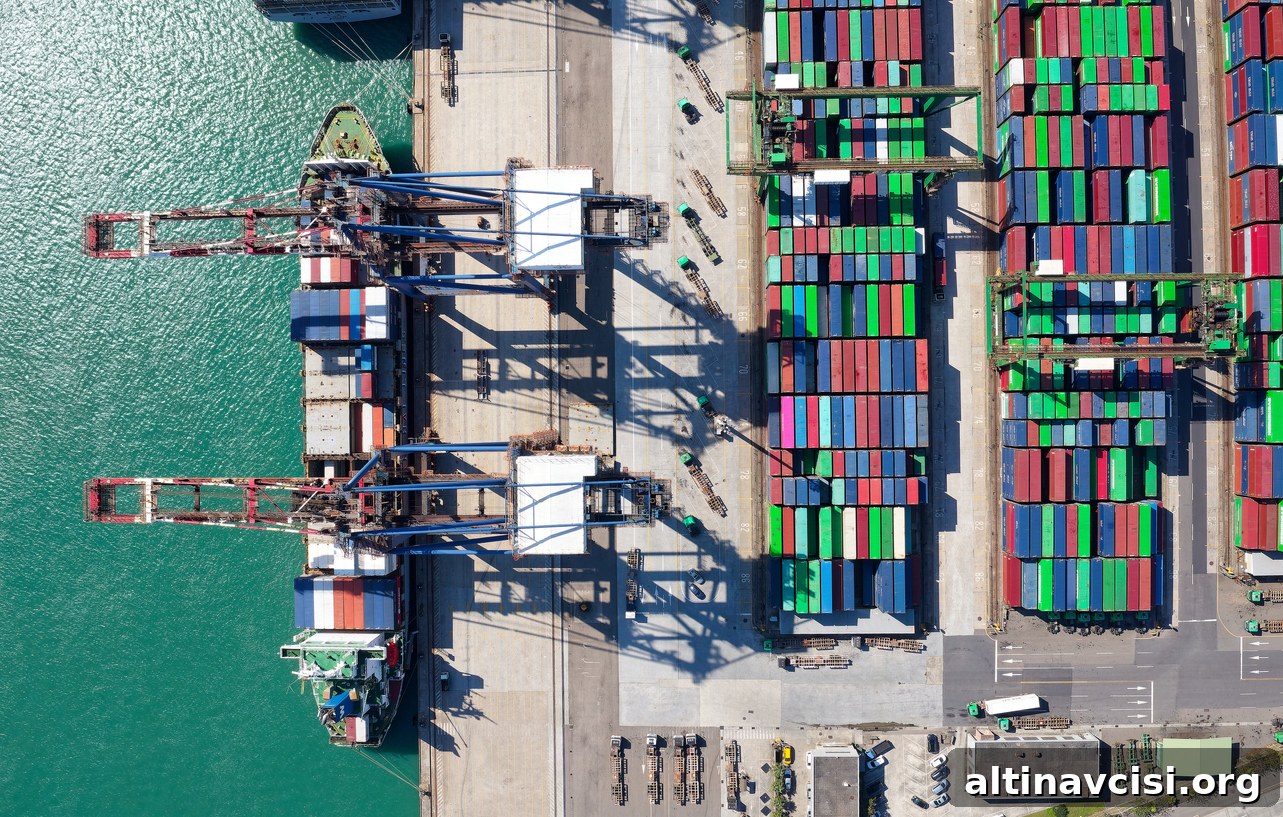
The shipping and logistics sector is also feeling the impact. Ship-tracking data indicate about 40% fewer vessels moving from China to the United States, carrying roughly one-third fewer containers. Reduced shipping capacity means that even if trade resumes, ports, terminals and trucking networks could be overwhelmed by a sudden surge in cargo—creating congestion and delays similar in scale to those seen during the Covid-19 pandemic.
Industry insiders caution that this is not only a matter of fewer ships at sea. Port handling capacity, warehouse space, inland transportation and labor availability all factor into how quickly goods move from vessel to shelf. With reduced throughput and a compressed time window to replenish stock, any attempt to make up for lost shipments could cascade into long delays and higher handling costs across the supply chain.
Importers Shift Sourcing — Southeast Asia Sees Increased Demand
In response to the tariffs and the disruption out of China, many U.S. importers are pivoting to suppliers in Southeast Asia. Shipping companies report about a 30% cancellation rate on orders from China while noting increased demand for routes serving Cambodia, Thailand and Vietnam. This shift reflects a strategic attempt by buyers to diversify supply and avoid tariff exposure, but it is not an immediate fix: qualifying new suppliers, certifying factories and establishing reliable logistics lanes all take time and investment.
Transitioning production to new countries can mitigate tariff risk over the medium term, yet it presents its own short-term challenges. Quality control, lead-time variability and the cost of moving production all complicate rapid relocation. Meanwhile, the partial rerouting of trade flows contributes to congestion on alternative shipping corridors and places additional pressure on carriers and ports that were not previously configured for the volume now being redirected to them.
Economic Implications: Shortages and Job Risk
Economists and supply-chain analysts warn of outcomes ranging from localized shortages of consumer goods to broader economic impacts. The term “Covid-like” shortages has been used to describe the potential scale of disruption: certain categories of merchandise could become hard to obtain if replenishment windows are missed. That scarcity would push prices higher, eroding purchasing power and increasing inflationary pressure on households.
Businesses across manufacturing, retail, transportation and warehousing face heightened risk of layoffs if the disruption persists. Lower order volumes and interrupted production schedules reduce labor demand in factories and distribution centers, while smaller retailers may struggle to cover operating costs if sales decline or inventory costs rise. The combined effect could lead to significant job losses across multiple sectors until trade normalizes or new supply chains are fully operational.
Outlook and Preparing for Disruption
The timing is especially sensitive: companies typically begin ramping up for back-to-school and holiday shopping in the coming weeks. That compressed timeline leaves little room for error. To prepare, businesses are exploring short-term measures such as re-prioritizing high-demand SKUs, negotiating expedited shipping for critical items, and accelerating efforts to qualify alternative suppliers. Policymakers and industry groups are also watching closely, given the potential for wider economic fallout if the situation worsens.
In summary, the steep tariffs on Chinese imports have already reduced cargo volumes significantly and are creating the conditions for a supply shock. With fewer vessels and containers moving on U.S.-China routes, and with many importers shifting sourcing to Southeast Asia, the coming weeks will be crucial. Retailers, logistics providers and policymakers will need to act quickly to mitigate shortages, control price pressures and limit job losses as the disruptions unfold.
Popular Topics
Picked from the archive
-
01
 Topics
Reuters Poll: Gold Set to Extend Rally Through 2026
-
02
Topics
Gold’s 30% Post-Election Rally Consolidates as ETF Flows Slow
-
03
Topics
Kevin O’Leary Rejects Wall Street’s 2025 Recession Forecast
-
04
Topics
Zambia Readies Local Content Rules as Copper Output Surges 30%
-
05
Topics
Goldman Analyst: China’s Pre-Holiday Selloff Sends Gold Tumbling
-
06
Topics
Asian Gold Prices Split: India Discounts, China Premiums
-
07
Topics
India Proposes Targeted Zero-Tariff Offer to Speed US Trade Deal
-
08
Topics
China Opens New Hong Kong Gold Vault to Boost Trading