Is Gold Still a Safe Haven in War? Investor Insights

🌅 Morning News Nuggets | Today’s top stories for gold and silver investors
March 26th, 2026 | Brandon Sauerwein, Editor
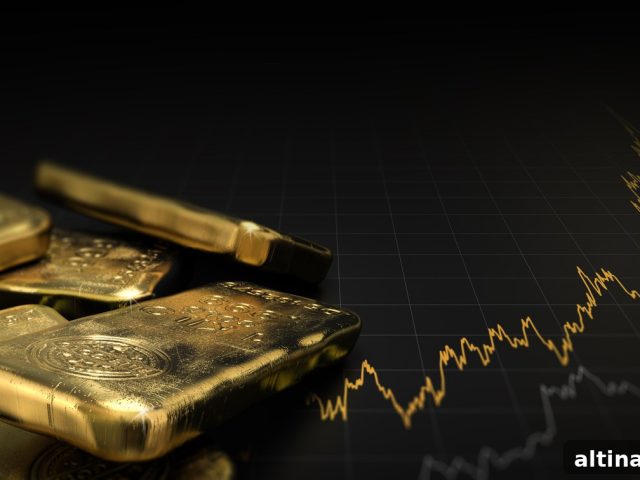
Gold has fallen roughly 15% since the Iran conflict began — raising questions about whether gold still functions as a true safe haven.
Why Are Gold and Silver Falling During a War?
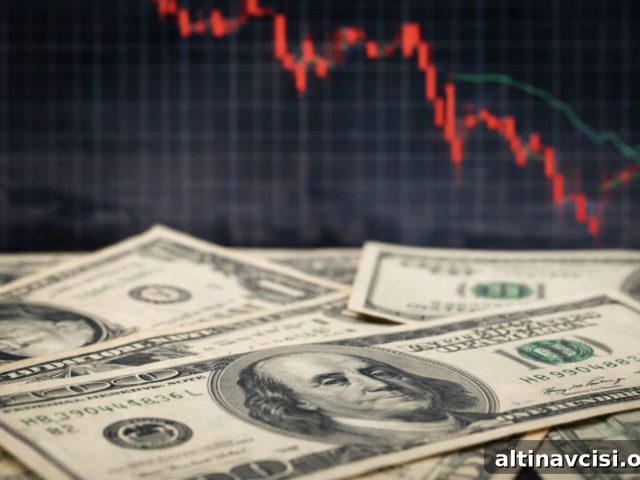
Gold and silver have suffered a sharp selloff this month. Spot gold declined more than 1% on Thursday to roughly $4,450 an ounce, while silver plunged nearly 5% to about $68.00 an ounce. Both metals are under pressure from several converging forces.
First, the path to a ceasefire has been unclear, adding volatility and shifting investor sentiment from a short-term risk premium toward liquidity. Second, the Federal Reserve has signaled a more hawkish stance than markets had anticipated. Expectations of rate cuts that traders once priced in for this year have largely evaporated, raising real and nominal yields. Finally, a stronger U.S. dollar has amplified selling pressure on dollar-priced commodities.
−4.1% today
Gold
Silver
Silver has taken an even larger hit than gold. Because silver has both investment demand and industrial uses, it is vulnerable to a weaker economic outlook and to investor selling at the same time. That dual exposure helps explain why silver’s monthly losses are deeper than gold’s, which itself is tracking toward its worst monthly decline since October 2008.
Those price moves are dramatic, but they don’t explain the full story. The more troubling development is that assets investors typically treat as crisis hedges — gold and defense stocks — initially rallied when the shooting started, then retreated as markets adjusted. Understanding that reversal matters for anyone positioning into volatility or geopolitical risk.
Why Did the Crisis Trades Stop Working?
This conflict has reshaped how investors treat so-called crisis trades. At the outset of U.S. and Israeli strikes on Iran, both metals behaved as expected: gold spiked above $5,400 and silver climbed to roughly $97. That surge lasted for only about a week.
The shift occurred after the Federal Reserve’s March 18 decision. The Fed’s guidance and updated projections implied fewer rate cuts than markets anticipated, leaving interest rates and Treasury yields higher for longer. Higher yields increase the opportunity cost of holding non-yielding assets like gold, prompting institutional sellers to reduce exposure. As a result, selling accelerated and prices moved lower.
Defense stocks displayed a similar pattern: an initial rally followed by a pullback as traders began to price in the odds of de-escalation or limited conflict. In short, the “geopolitical premium” that raises prices in a crisis can be fleeting when rates and yields are rising at the same time.
That dynamic underlines an important point: “safe haven” is a relative term, not an absolute status. The appeal of defensive assets depends on the broader macroeconomic context — especially the rate-and-yield environment. When oil-driven inflation pushes rates higher and the Fed resists cutting, even assets tested in past crises can lose their luster.
If gold is not behaving like a panic-era shelter, what role is it playing instead? Bloomberg’s Marcus Ashworth puts it plainly: gold is acting more like a piggy bank than a panic button, with holders taking profits after a long rally.

The Edge Every Investor Needs
Smarter precious metals investing starts here. The Nuggets Newsletter brings essential market insights, Fed updates, global trends, and educational videos to help you make better decisions.
Is Gold Still a Safe Haven — or Just a Piggy Bank?
Bloomberg Opinion columnist Marcus Ashworth offers a blunt assessment: after a long run-up, gold is behaving more like a convenient store of value — a piggy bank — than an instant panic hedge. A roughly 15% decline since the conflict began is eye-catching, but it also reflects profit-taking by holders who saw large gains over the preceding year.
Ashworth notes that similar selling occurred in 2008 and during the March 2020 Covid selloff: once an asset has amplified strongly, it becomes an obvious source of liquidity. Despite the recent fall, gold remains up more than 50% over the past year, suggesting that much of the selling is measured profit-taking rather than wholesale panic.
There is also a structural element at play. Central banks were major buyers of gold over the last several years; now some may be considering using gains to meet budgetary pressures driven by higher energy and defense costs. In that sense, gold reserves can act as a funding source — a shift from being purely a reserve hedge to serving fiscal or balance-sheet needs.
That does not mean gold is broken. Rather, its role is evolving under the combined pressures of geopolitics, inflation, and fiscal demands. How markets interpret that evolution will determine whether these moves are temporary or part of a longer reallocation of assets.
How Long Can the Global Economy Absorb a Closed Strait of Hormuz?
The Strait of Hormuz has been effectively constrained for nearly a month, and companies are growing less patient. Energy market specialists have warned that the window for avoiding acute disruption is measured in weeks rather than months. If the strait stays closed, oil prices could reprice sharply upward, causing energy shortages in Asia and prompting industrial slowdowns globally.
Several economic forecasts have already adjusted for higher energy costs and their knock-on effects. Some scenarios show meaningfully higher inflation and reduced GDP growth across major economies. If oil remains elevated even briefly, it can embed a lasting risk premium into energy prices that outlives any ceasefire.
There is a paradox in these outcomes. Greater economic damage would make it harder for the Fed to maintain a hawkish stance, increasing the odds of eventual policy easing — a development that would likely be supportive for gold. Conversely, sustained high energy prices can keep inflationary pressures high and justify tighter policy, which would weigh on gold in the near term.
The uncertainty around these paths is central to how investors position: whether they prioritize near-term yield and dollar strength or longer-term inflation and reserve dynamics that could revive gold’s structural case.
$40 or $150: BlackRock’s Larry Fink Says There’s No In-Between on Oil
BlackRock CEO Larry Fink summarized the dilemma starkly: the current conflict could lead to two divergent oil outcomes. In one scenario, Iran re-engages with the global market, oil flows resume, and prices fall back toward levels that support renewed growth. In the other, Iran remains a persistent threat to shipping through the Strait of Hormuz, keeping oil prices elevated well above $100 and potentially pushing toward $150 for an extended period.
Fink emphasized the social impact of prolonged high energy prices, calling them a regressive burden that disproportionately affects lower-income households, since energy represents a larger share of their spending. For financial markets, the policy response to either path — a Fed that stays hawkish versus a Fed that must pivot if growth collapses — will determine whether gold’s longer-term investment case reasserts itself.
Stay On Top of Gold & Silver Prices
Get important market alerts sent straight to your inbox.
You May Also Like
- After 9-Day Drop: What’s Driving the Gold Price Rebound?
- Gold Safe Haven Bid Returns After Nine-Day Selloff
- Gold Price Correction Settles as Saudi Arabia Eyes Iran War
- What’s Driving Gold’s Sharpest Pullback of the Year
- Gold Price Drop Today — War Rages as the Debt Hits $39 Trillion
- Gold Price Outlook: Fed Holds, PPI Climbs
Popular Topics
Picked from the archive
-
01
 Topics
High Earners Falling Behind on Credit Cards and Auto Loans
-
02
Topics
Markets Slash ECB Rate-Cut Odds After Trade Deal Eases Tariff Fears
-
03
Topics
How Gold and Silver Perform During Stagflation
-
04
Topics
Inside the Fed’s Most Contentious Jackson Hole Meeting
-
05
Topics
Gold Surges 2% Ahead of Trump’s Iran War Address Tonight
-
06
Topics
Gold Prices Stall Ahead of Ukraine Peace Talks and Fed Signals
-
07
Topics
What’s Driving Gold Demand from Washington, D.C. to Mumbai
-
08
Topics
Bank Safety Deposit Box vs Gold Vault: Which Is Safer for Gold?