Tariff Uncertainty Could Push US Into Recession by Fall 2025
U.S. Economic Outlook — July 2025
As of July 2025, the U.S. economy is on relatively solid footing. Inflation has moderated and moved closer to the Federal Reserve’s long-run target of 2%, though it remains above that benchmark. Labor market conditions are still supportive, with continued job gains helping to sustain consumer demand. In this environment, the Federal Reserve has kept interest rates steady, balancing the need to reduce inflation with the desire to avoid choking off growth.
One important factor shaping near-term prospects is the set of tariffs introduced during the previous administration. Those measures have modestly reduced consumers’ real purchasing power by making some imported goods more expensive and by altering supply chains in ways that filter through to prices. Despite that drag, most sectors of the economy have shown resilience, and headline activity has continued without major disruption.
Looking ahead, the trajectory of growth depends heavily on whether outstanding tariff disputes are resolved in the coming months. If key disagreements are settled by the end of summer, businesses and households would gain greater clarity about costs and trade relationships. That resolution would reduce uncertainty, allowing companies to proceed with planned investments and hiring and enabling consumers to spend with more confidence. Under that scenario, economic growth should continue largely uninterrupted, with only modest headwinds stemming from a somewhat tighter labor supply and modest reductions in Medicaid spending.
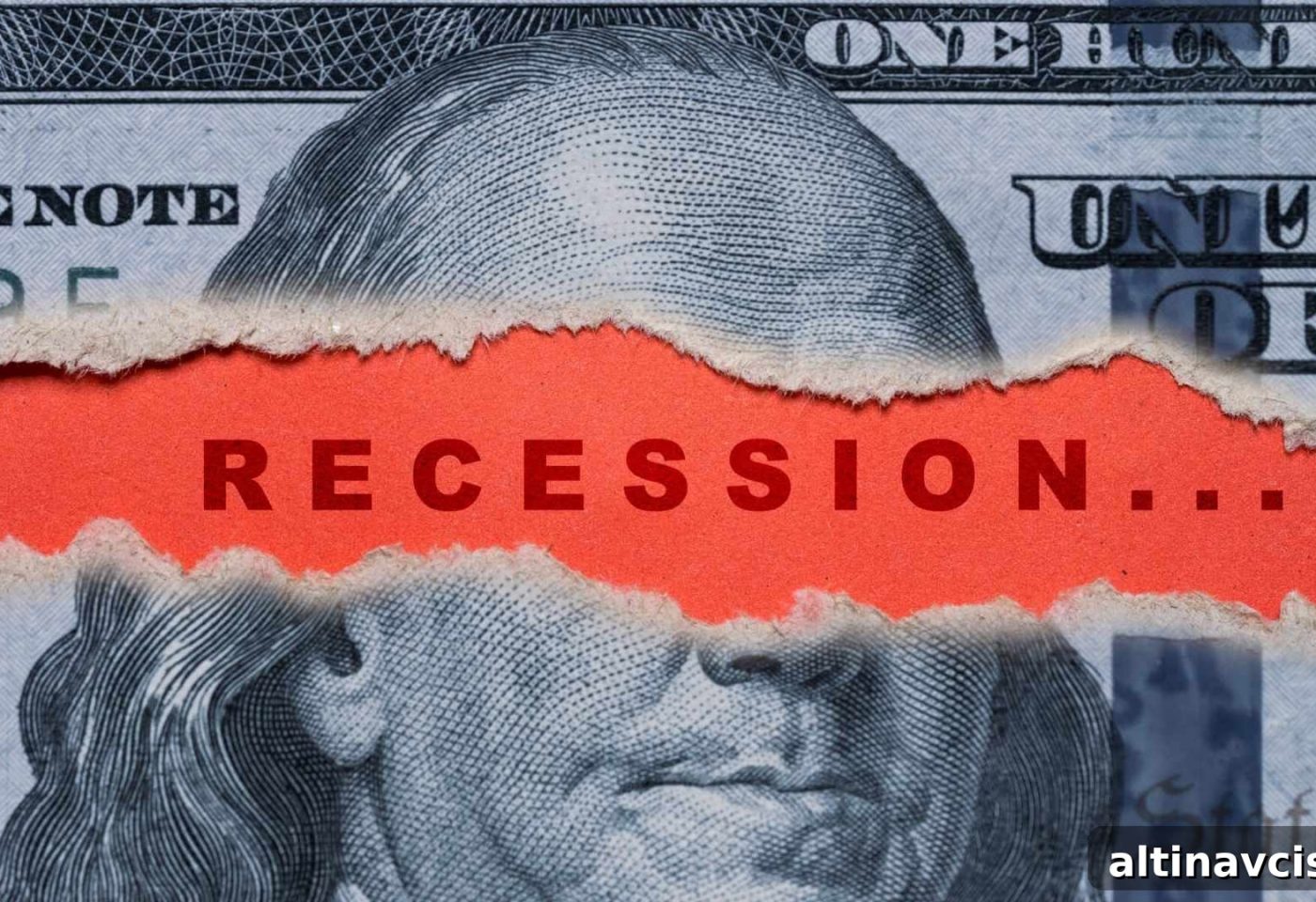
However, if tariff uncertainty persists into the autumn, the outlook becomes noticeably more fragile. Prolonged trade disputes tend to increase input costs, complicate supply chains, and raise the risk that firms postpone capital expenditures or delay hiring. Consumers, facing higher prices and greater uncertainty about the future, may also scale back discretionary spending. Taken together, these effects could push the economy into a mild recession. Based on current assessments, such a downturn would likely be significantly less severe than a typical recession—roughly half as deep—but still would produce weaker employment and output compared with baseline expectations.
Monetary policy would respond to a material slowdown. In the event of a mild recession driven by sustained tariff uncertainty, the Federal Reserve would likely move to ease policy by cutting the policy rate by roughly 100 basis points to support activity. If uncertainty remains elevated and the slowdown deepens or stretches into 2026, the cumulative easing could be larger—potentially up to about 200 basis points—depending on incoming data and how inflation evolves. Any such adjustments would reflect the Fed’s dual mandate to promote maximum employment and price stability while responding to changing economic conditions.
Even in the baseline case where tariffs are resolved soon, that outcome would not eliminate all challenges. A tighter labor supply—resulting from demographic trends, lower labor-force participation, or other structural factors—could constrain potential growth and keep upward pressure on wages in certain industries. Small reductions in Medicaid spending, while not a major drag on the overall economy, would shave a bit off healthcare-related demand. Policymakers and business leaders would likely monitor these developments closely to ensure that the recovery remains broad-based and durable.
In summary, the U.S. economy in July 2025 is displaying resilience: inflation has fallen nearer to the Fed’s 2% goal, job growth remains solid, and interest rates have stayed level. The decisive risk over the coming months is the handling of tariff disputes. A timely resolution should allow continued growth with only modest headwinds, while prolonged uncertainty could trigger a mild recession and prompt more aggressive rate cuts from the Fed. Observers should watch trade negotiations, labor market indicators, and inflation trends for signs that one scenario is becoming more likely than the other.
Popular Topics
Picked from the archive
-
01
 Topics
Gold Surges 1.7% After Israel Strikes Iran
-
02
Topics
Gold Rises as Dollar Share of Global Reserves Drops to 58%
-
03
Topics
What’s Driving Gold Volatility: Trade Tensions or Inflation?
-
04
Topics
Markets Rally After US and China Agree on 90 Day Tariff Cut
-
05
Topics
India Gold Demand Drops Further Amid Soaring Asian Prices
-
06
Topics
Silver Prices Jump 35% YTD as Rally Accelerates
-
07
Topics
Gold Eyes Largest Weekly Gain in a Month Amid US Fiscal Fears
-
08
Topics
Australia’s Central Bank Delays Rate Cut as Inflation Eases