Markets Rally After US and China Agree on 90 Day Tariff Cut

Global Markets Rally After US-China 90-Day Tariff Reduction
Global financial markets rallied after officials from the United States and China announced a 90-day reduction in trade tariffs following weekend negotiations in Switzerland. Investors reacted quickly to the news, interpreting the move as a de-escalation in trade tensions between the world’s two largest economies and a potential boost for cross-border commerce and corporate earnings.
Immediate Market Reaction
European stock markets opened higher, with major indexes such as France’s CAC 40 and Germany’s DAX rising by more than 1% on Monday morning. US stock futures also rallied, reflecting broad optimism among investors about the potential easing of trade frictions; the Nasdaq Composite futures showed particularly strong gains, nearly 2% higher in early trading. The strength in equity markets signaled renewed risk appetite across asset classes.
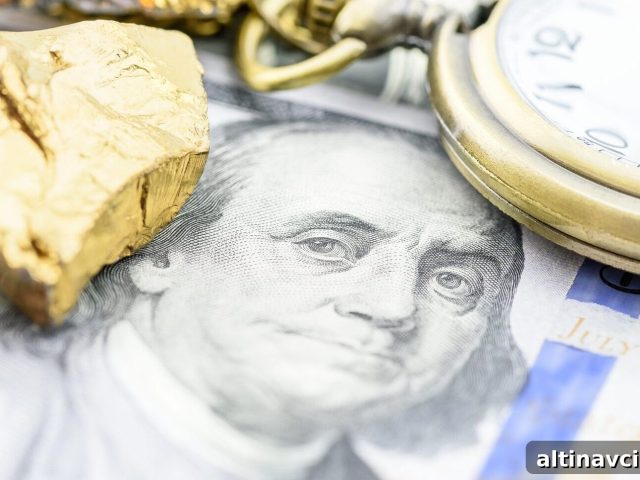
At the same time, gold prices fell, reaching their lowest level since May 5. The decline in this traditional safe-haven asset suggests that investors were reallocating capital into riskier assets like equities, betting that reduced tariffs could support global growth and corporate profitability. This rotation away from safe havens is common when markets perceive a reduction in geopolitical or trade-related risk.
What Officials Are Saying
Participants in the talks described the discussions as “an important first step” toward narrowing differences, although detailed terms were not immediately released. Officials emphasized that the 90-day tariff reduction is intended to create a window for further negotiation and give businesses time to adjust to a calmer trade environment. Market participants are watching closely for subsequent statements and concrete implementation details that will determine the practical impact on trade flows and supply chains.
Investor Sentiment and Market Dynamics
The announcement appears to have lifted investor sentiment across sectors. Technology and industrial stocks—sectors that can be sensitive to trade costs and supply chain disruptions—tended to perform well on expectations of smoother cross-border operations. Increased investor confidence can also support higher risk-taking, which often shows up in rising equity indices and stronger performance among cyclical stocks.
Conversely, assets perceived as safe havens—such as gold and certain government bonds—saw selling pressure. When sentiment shifts toward risk-on, capital often flows out of these assets and into equities or other investments expected to benefit from improved economic conditions. Traders and portfolio managers will be monitoring volatility measures and liquidity to gauge whether the rally is broad-based or concentrated in specific sectors.
Outlook and Key Watch Points
While the initial market response was positive, analysts and investors remain cautious. The 90-day tariff reduction is temporary and described as a preliminary step, so the longer-term effects will depend on whether the dialogue between the two countries produces durable agreements. Key areas to watch include any formal documents outlining the tariff changes, timelines and conditions for implementation, and follow-up negotiations that could extend or make permanent the tariff adjustments.
Market participants will also be attentive to corporate guidance and earnings reports in the coming weeks, which could reflect early effects of lower trade friction on order books, pricing strategies, and supply chain costs. Economic data releases and central bank commentary will further shape market direction, as investors weigh the macroeconomic implications of reduced trade tensions alongside monetary policy and inflation trends.
Conclusion
The US-China announcement of a 90-day tariff reduction sparked a meaningful rally in global markets, with European indexes and US futures rising and gold retreating to multi-week lows. Officials called the talks an important initial step, but details remain limited and the situation is likely to remain fluid. For now, markets have embraced a more optimistic outlook, while investors and analysts look for follow-up actions and concrete terms that will determine whether the easing of tariffs ushers in a sustained improvement in global trade and economic growth.
Popular Topics
Picked from the archive
-
01
 Topics
Powell Says Tariffs Fuel Tension Between Inflation and Growth
-
02
Topics
Gold Price Holds Near $3,180 as Markets Brace for U.S. Data
-
03
Topics
U.S. $18 Trillion Debt Crisis: Paying for Lunch on Credit
-
04
Topics
Egg Prices Plunge: April’s Biggest Monthly Drop Since 1984
-
05
Topics
8 U.S. Cities Now Require Six-Figure Incomes to Rent
-
06
Topics
Goldman Analyst: China’s Pre-Holiday Selloff Sends Gold Tumbling
-
07
Topics
Gold Price Jumps 700 USD in 4 Months as Investors Seek Shelter
-
08
Topics
Technical Indicators Signal Silver Rally as Gold Fades