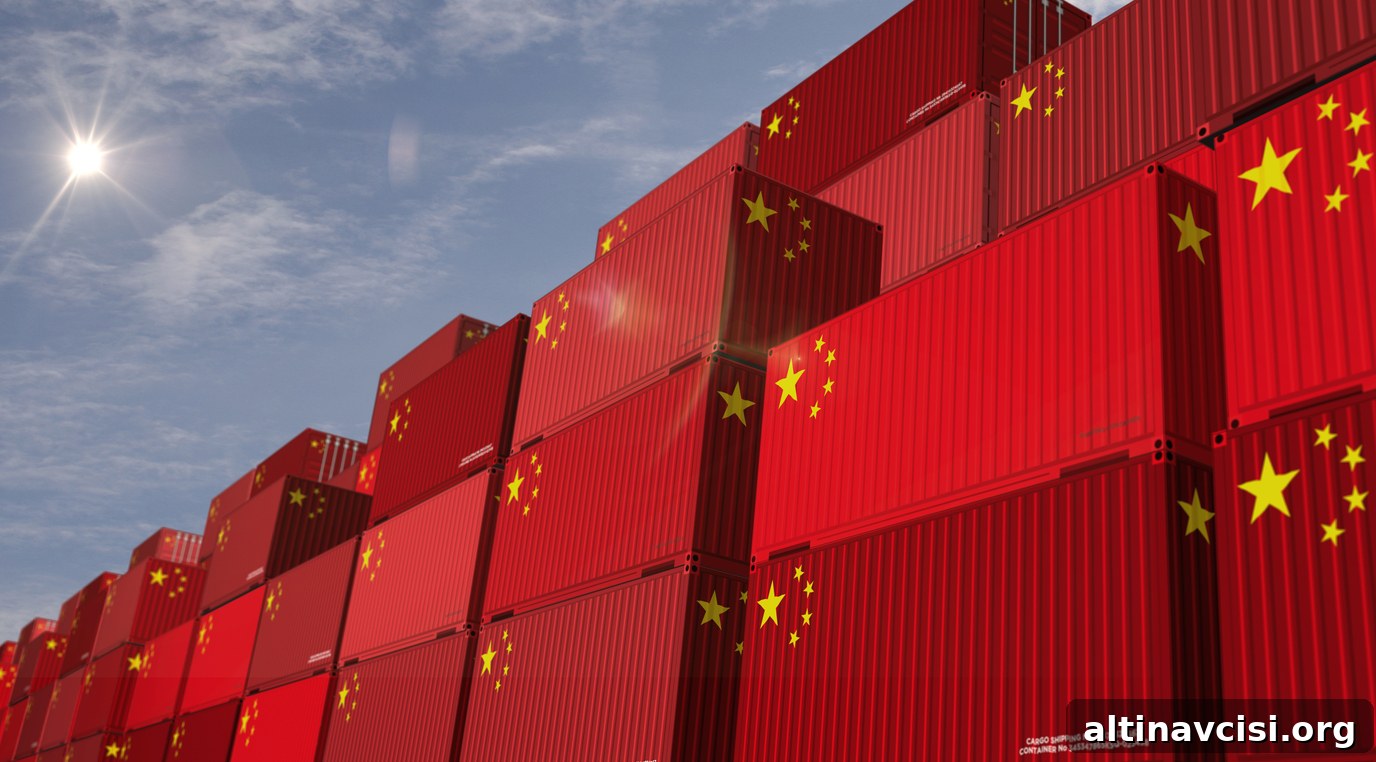
The United States and China have agreed on a framework to resume trade negotiations after recent disputes threatened to derail progress. Following two days of meetings in London, senior negotiators from both countries identified a path forward on outstanding issues involving mineral and technology exports.
Although the larger question of China’s trade surplus with the United States remains unresolved, both sides expressed cautious optimism that they can move past the recent tensions. The diplomatic breakthrough came after a phone conversation between President Trump and President Xi Jinping, and the news was met with a positive reaction in Asian stock markets.
Negotiators focused on technical and procedural details designed to reduce friction around exports of key minerals and sensitive technologies. By clarifying export controls and establishing clearer channels for consultation, both governments aim to avoid sudden escalations that might disrupt supply chains or investor confidence. The London meetings were framed as a practical step to rebuild trust and create a more predictable environment for businesses engaged in cross-border trade.
Analysts noted that while the framework does not resolve deeper structural issues—such as currency imbalances, industrial subsidies, or differing regulatory approaches—it does create space for continued dialogue. That space could allow negotiators to address contentious topics incrementally rather than through abrupt, destabilizing measures. For companies operating in affected sectors, the immediate benefit is a reduction in uncertainty and a better understanding of potential regulatory changes.
Market reactions reflected relief that direct communication between the two leaders helped defuse the situation. Asian stock indices rose as investors interpreted the agreement as lowering the risk of a renewed trade escalation. Financial commentators cautioned, however, that market optimism could be tempered if subsequent rounds of talks fail to produce concrete commitments on long-standing disputes.
Observers also emphasized the importance of monitoring follow-up steps, including whether the framework will lead to specific timelines, verification mechanisms, or dispute-resolution processes. The success of the agreement will depend on both sides’ willingness to implement the agreed measures and to engage in sustained negotiations on structural issues that go beyond immediate export controls.
For now, businesses and markets have a clearer, more predictable short-term outlook. Trade negotiators are expected to reconvene as scheduled to translate the framework into actionable policies. While substantial challenges remain, the London talks and the leaders’ phone call represent a diplomatic reset that may ease tensions and open the door to more detailed negotiations in the months ahead.