Buying Local: How Nations Build Foreign Reserves Without Dollars
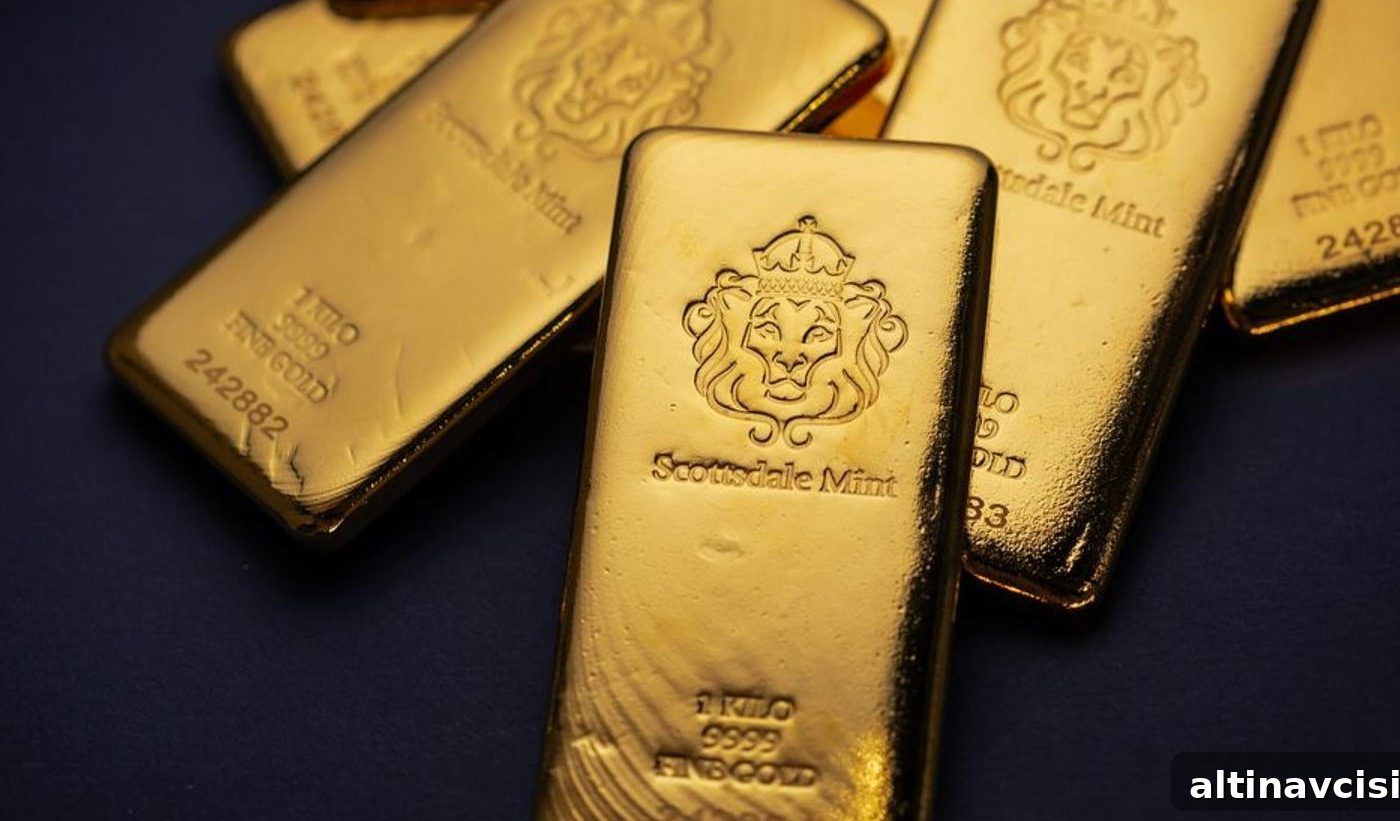
Central Banks Increasingly Buy Gold Directly from Domestic Mines
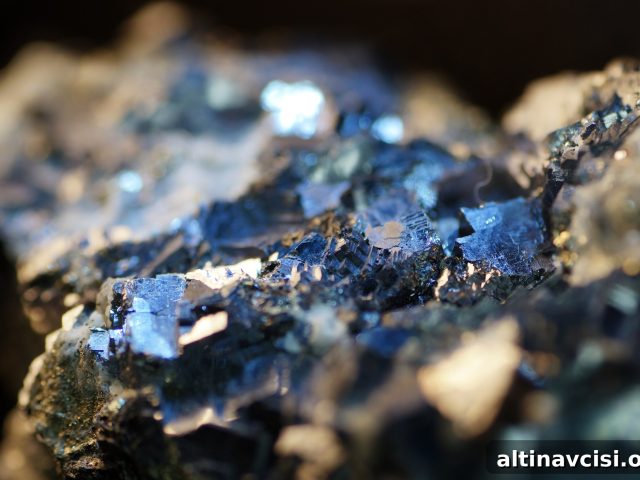
As gold prices hover near record highs, more central banks are bypassing traditional global bullion markets and purchasing gold directly from mines within their own borders. The World Gold Council reports that 19 central banks now use this approach, often paying in local currency and securing discounts that reduce costs associated with shipping, fees, and foreign-exchange transactions.
Why central banks are sourcing gold domestically
Purchasing gold from domestic producers allows monetary authorities to build reserves without drawing down foreign-currency holdings, particularly U.S. dollars. In times of heightened geopolitical uncertainty and fiscal pressure, central banks seek reserve assets that are broadly trusted and liquid. Direct procurement from domestic mines can be a pragmatic way to increase gold holdings while conserving hard currency and minimizing the operational and financial frictions that come with importing bullion.
Benefits for states and monetary policy
There are several clear advantages for countries that choose to source gold locally. Paying in local currency helps avoid costly foreign-exchange conversions and reduces vulnerability to currency market volatility. Procuring gold at a negotiated discount can lower the overall cost of reserve accumulation. It also streamlines logistics: domestic transfers are generally faster and cheaper than cross-border shipments, which require extensive security, insurance, and compliance measures.
From a policy perspective, domestic sourcing can support strategic independence. By developing domestic procurement channels, central banks diversify the pathways through which they acquire gold, reducing reliance on international bullion markets and intermediaries. This can be particularly attractive for smaller economies or those seeking to strengthen monetary sovereignty during periods of financial stress.
Impact on miners and local economies
For small-scale and artisanal miners, a reliable, legal buyer in the form of a central bank or state-backed entity can provide stable demand and formal market access. That stability can translate into more predictable incomes for mining communities, greater incentives to formalize operations, and improved compliance with national regulations.
At the same time, channeling domestic production into national reserves can help governments capture a greater share of the value from local natural resources. When done transparently and with appropriate safeguards, these purchases can contribute to local economic development by supporting jobs, tax revenues, and downstream services.
Challenges and ethical considerations
Direct purchases from domestic mines are not without complications. Logistics such as secure transport, accurate assaying and refining, and quality certification require robust infrastructure and oversight. Ensuring that gold meets internationally accepted standards for purity and provenance is essential if reserves are to retain broad market credibility.
Ethical and environmental concerns are also important. Mining operations—especially small-scale or informal ones—can be associated with environmental degradation, unsafe working conditions, and human-rights issues. Central banks and governments that buy domestic gold need clear due-diligence processes, traceability systems, and regulatory frameworks to minimize reputational and legal risks and to promote responsible mining practices.
What this trend means for global bullion markets
As more central banks source gold domestically, the traditional global bullion marketplace may see shifts in demand patterns. Reduced reliance on cross-border channels could influence the flow of supply, pricing differentials, and the role of intermediaries. However, international markets will remain critical for liquidity and for monetizing reserves when needed.
Outlook
The move toward domestic procurement reflects broader dynamics: rising gold demand from central banks amid economic uncertainty, the desire to conserve foreign-currency reserves, and policy preferences for greater control over strategic assets. If managed with strong oversight and a commitment to environmental and social standards, buying gold from domestic mines can help countries bolster reserves and support local mining sectors. Policymakers will need to balance these benefits against the practical and ethical challenges of implementing large-scale, domestically focused gold acquisition programs.
Popular Topics
Picked from the archive
-
01
 Topics
S&P 500 Nears Record High Ahead of Key Inflation Data
-
02
Topics
Japan-U.S. Trade Talks Stall Ahead of July 9 Tariff Deadline
-
03
Topics
Strong Jobs Report Drives 10-Year Treasury Yield Above 4.34%
-
04
Topics
Ruthenium in Electronics: How a Tiny Metal Powers Big Tech
-
05
Topics
Goldman Sachs, JPMorgan Revise Outlook After 90-Day Tariff Truce
-
06
Topics
Gold Prices Drive Indians to ETFs as Physical Demand Falls
-
07
Topics
Survey: More Americans Forced to Keep Working in Retirement
-
08
Topics
China’s Hold on Rare Earths and How the West Can Catch Up