Tariffs Could Push US Inflation Higher in June, Economists Say
Rising U.S. Inflation in June Tied to New Tariffs and Supply-Chain Strain
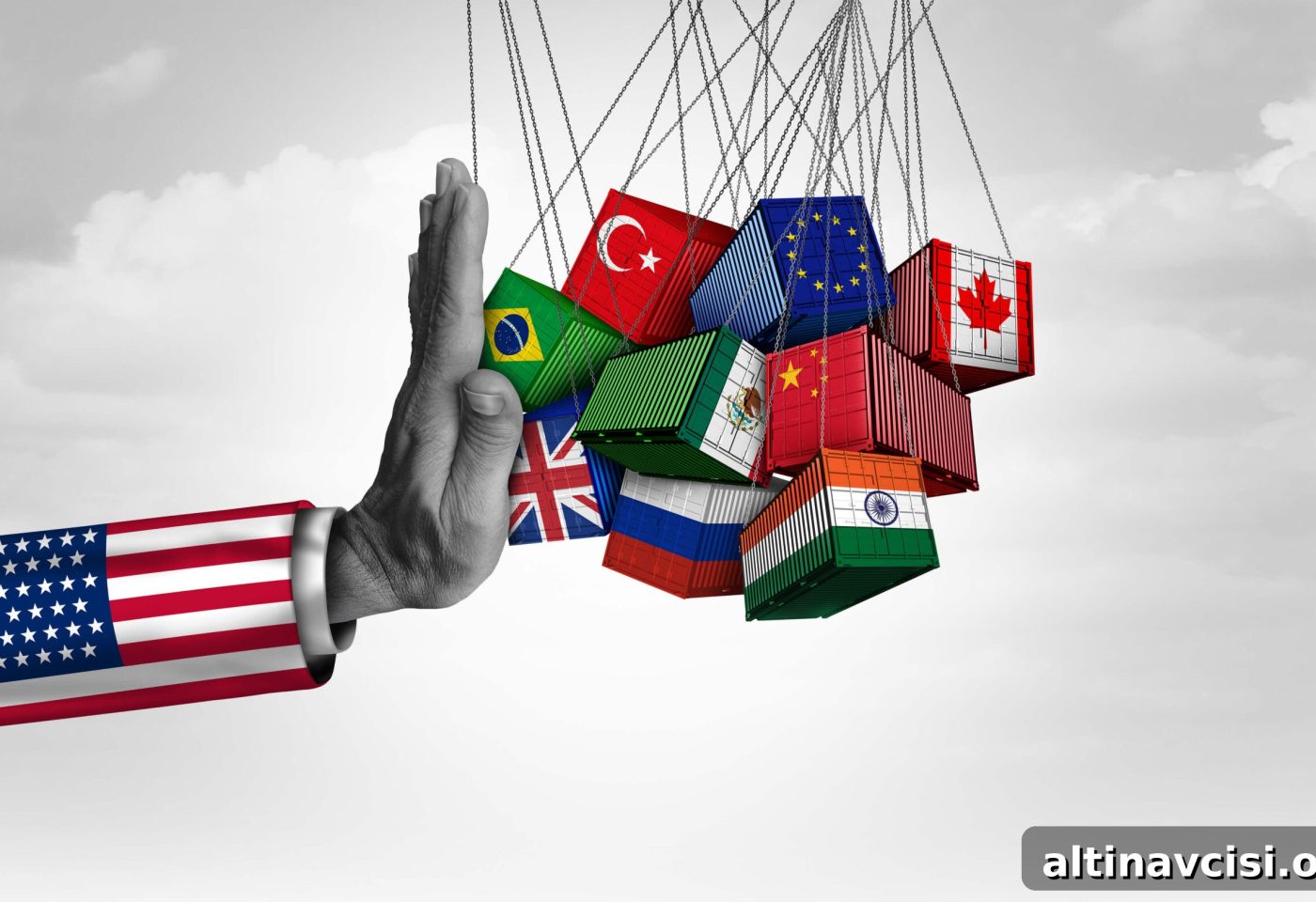
Inflation in the United States is expected to pick up in June, driven in large part by newly announced tariffs on a range of imported goods including furniture, automobiles, and toys. Economists and market observers say that businesses facing higher import costs are increasingly passing those expenses on to consumers, reversing a period of relatively subdued price growth. The shift is notable because, until recently, core price pressures had been comparatively muted; now retailers and manufacturers appear to be adjusting prices upward to protect margins.
The mechanism is straightforward: tariffs raise the cost of imported items or the inputs used to make them, and companies that cannot absorb those higher costs without sacrificing profitability often raise consumer prices instead. That dynamic can be felt directly in products sold at retail and indirectly through higher costs for parts and components that feed into the broader supply chain. With certain categories — like durable goods and consumer discretionary items — more sensitive to trade measures, the tariff-driven price increases are likely to show up in monthly inflation readings.
The Federal Reserve now faces a delicate policy choice. If inflation shows a meaningful uptick, the Fed may feel pressured to maintain or even tighten existing interest-rate policy to keep inflation expectations anchored. Conversely, if inflation remains subdued despite tariff-induced cost pressures, the Fed could justify considering rate reductions to support growth. That balancing act is complicated by political and public scrutiny: holding rates steady risks criticism from the White House and others who want lower borrowing costs, while cutting rates too soon could undermine the central bank’s inflation-fighting credibility.
Political developments are playing an important role in the economic outlook. Aggressive new tariff proposals and trade policy moves from the administration have heightened uncertainty for businesses that rely on global supply chains. Analysts warn that when supply chains are under strain — whether from tariffs, transport bottlenecks, or shifting sourcing strategies — businesses often encounter higher input costs and logistical challenges that translate into higher consumer prices. Some forecasters describe the coming months as a potential “summer of rising prices,” driven by a combination of policy-driven cost increases and ongoing supply-chain adjustments.
That said, not all analysts agree on the path ahead. A number of commentators note that policy measures can change quickly, and that a reversal or modification of tariff policy could temper some of the upward pressure on prices. In other words, the trajectory of inflation in the near term remains sensitive to political decisions as much as to underlying economic fundamentals. Businesses may also respond in different ways: some will raise prices immediately, others will absorb costs temporarily in hopes of later passing them along, and some may seek alternative suppliers to avoid tariff-affected imports.
For consumers, the immediate effect is clearer: rising costs for certain goods are likely to be visible at the checkout counter as retailers adjust pricing. For policymakers, the challenge is to weigh those price signals against broader measures of inflation and employment when setting interest-rate policy. The Federal Reserve will be monitoring incoming data closely to assess whether recent cost increases are transitory or indicative of a more persistent trend. Investors and households, meanwhile, will be watching for guidance from both the central bank and policymakers on trade policies that are contributing to these cost pressures.
In summary, the expected rise in June inflation appears closely linked to newly imposed tariffs and strains on supply chains, prompting businesses to pass higher costs to consumers. That situation places the Federal Reserve in a tricky position as it weighs rate decisions amid political pressure and uncertainty about whether tariff policy will remain in effect or be altered. The coming months will be critical in determining whether price gains prove temporary or mark the beginning of a more sustained uptick in consumer inflation.
Popular Topics
Picked from the archive
-
01
 Topics
Daly Urges Fed to Temper Forecasts and Balance Dual Mandate
-
02
Topics
Gold Drops to $3,310 as Trade Deal Extensions Ease Tensions
-
03
Topics
Gold Price 2025: Why Gold Will Outperform Models
-
04
Topics
Gold and Silver Hold as Markets Monitor Fed Policy, US Deficit
-
05
Topics
BIS Warns Fed Faces Impossible Choice as Tariffs Risk Inflation
-
06
Topics
Report: Republican Tax Bill Masks Over 1 Trillion in Future Debt
-
07
Topics
US Dollar Strengthens Ahead of Major Trade Policy Announcements
-
08
Topics
Trump Raises Metal Tariffs to 50% as EU Reports Trade Progress