US Dollar Strengthens Ahead of Major Trade Policy Announcements
U.S. Dollar Edges Higher as Markets Await Clarity on Tariff Plans
The U.S. dollar strengthened slightly on Monday as financial markets sought clearer signals about President Trump’s proposed tariff measures. Traders and investors appear to be positioning for potential policy shifts that could influence trade flows, corporate costs and currency valuations in the coming weeks.
Countdown to the End of the Moratorium
A 90-day moratorium on the so-called “Liberation Day” tariffs is scheduled to end on Wednesday. According to announcements from the administration, higher tariff rates are set to take effect on August 1. That timetable has focused attention on how quickly and forcefully new duties will be implemented, and which trading partners will be affected first.
President Trump has indicated he will notify about a dozen countries that they will receive letters imposing increased levies. The prospect of targeted higher tariffs has rattled some market participants, while others are monitoring official communications closely for specifics about the scope and duration of the measures.
Threats to BRICS-Aligned Nations
In addition to naming the initial group of countries, the president has also threatened an additional 10% tariff on nations aligned with the BRICS grouping. That comment added another layer of uncertainty, since any escalation targeting a broader set of trading partners could alter global trade dynamics and prompt responses from affected governments.
Dollar Remains Near Multi-Year Lows Despite Recent Gains
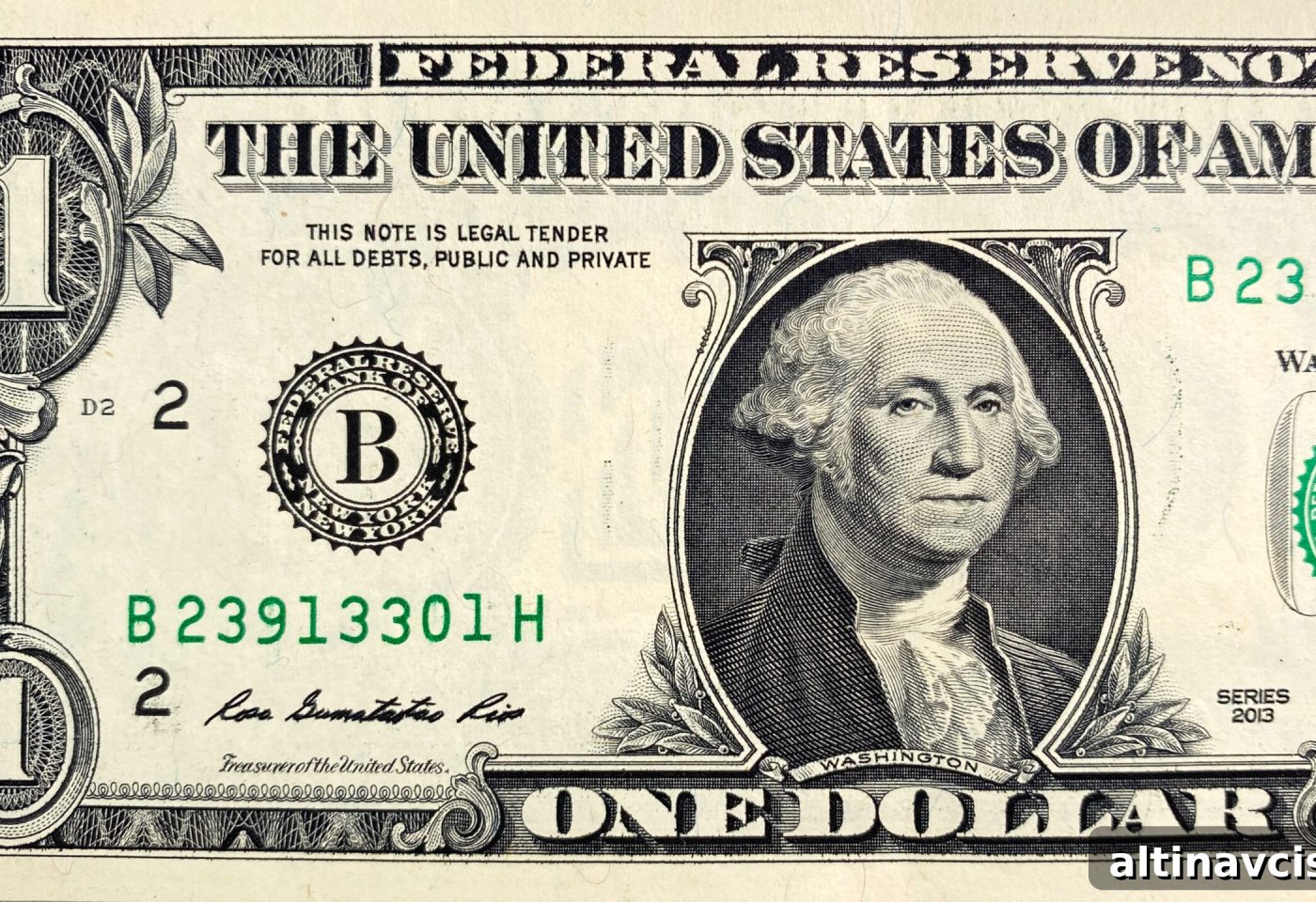
Even with the dollar’s modest strengthening on Monday, the currency remains close to multi-year lows. The U.S. dollar has declined roughly 10% so far this year as investors have questioned its safe-haven status and shifted capital across asset classes and geographies. That decline reflects a variety of factors, including shifting risk sentiment, comparative economic expectations and changing portfolio allocations.
Market Implications and Investor Sentiment
Markets are closely watching the sequence of events around the moratorium and the August 1 deadline. Uncertainty about tariff details tends to increase volatility in currency markets, equity markets and commodities. Import-dependent companies may face higher input costs if tariffs are raised, while exporters and multi-national firms could be affected by retaliatory measures or shifts in trade competitiveness.
Currency traders typically respond quickly to changes in trade policy signals. A clearer or more conciliatory approach might ease pressure on the dollar and reduce market volatility, whereas a broader escalation of tariffs could reinforce risk-off behavior and prompt rapid repositioning among global investors.
What to Watch This Week
Key items for market participants to monitor include official announcements from the administration about which countries will receive tariff letters, any detailed timetables beyond the August 1 implementation date, and commentary from economic and business leaders reacting to the measures. These updates will likely shape near-term expectations for the dollar and broader financial market conditions.
Ultimately, the path of trade policy in the coming days will be an important determinant of market sentiment. For now, the dollar’s slight uptick reflects cautious positioning as participants weigh the potential economic and financial implications of forthcoming tariff actions.
Popular Topics
Picked from the archive
-
01
 Topics
Gold Eyes Largest Weekly Gain in a Month Amid US Fiscal Fears
-
02
Topics
Central Banks Keep Buying Gold Despite Price Drop
-
03
Topics
Goldman Sachs Sees Gold Rally Reaching $4,500 on Tail Risk
-
04
Topics
US and China Reach Framework Agreement on Trade in London Talks
-
05
Topics
Trump’s Fed Attacks Raise European Alarm Over $245B US Gold
-
06
Topics
U.S. Service Sector Shrinks Amid Trade War Uncertainty
-
07
Topics
Kevin O’Leary Rejects Wall Street’s 2025 Recession Forecast
-
08
Topics
Citi Warns Gold Could Drop 20% by 2026