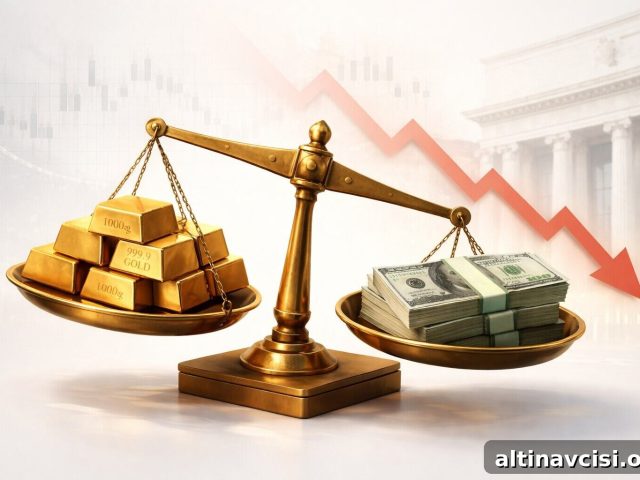
Five Major Institutions Issue Identical Warning on Gold Selloff
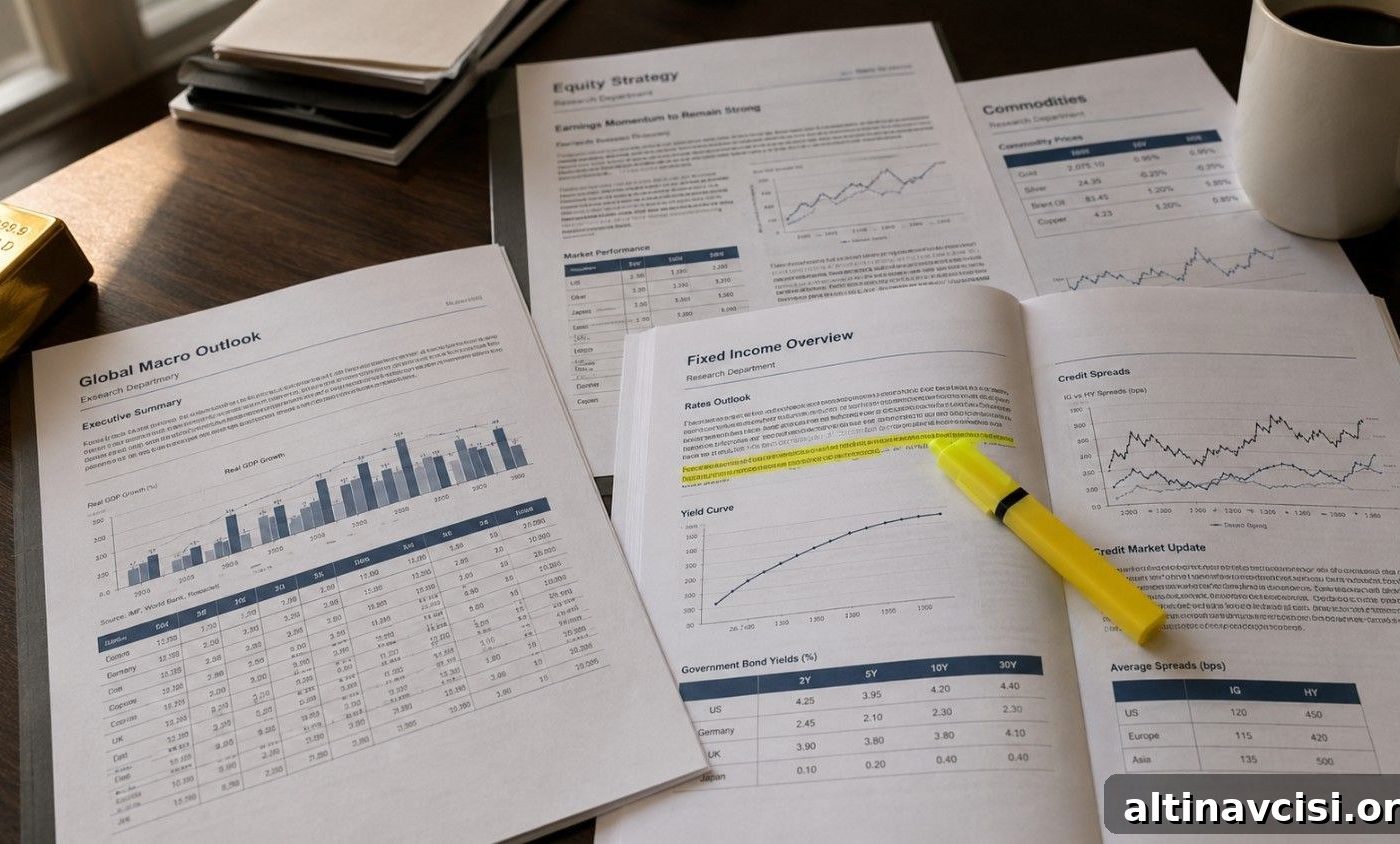
In today’s update: Five major institutions released fresh 2026 gold research in one week — State Street, Goldman Sachs, the World Gold Council, UBS, and MKS PAMP — and all reached the same conclusion: the Q2 selloff altered entry prices, not the long-term outlook.
This week’s institutional reports reinforce a consistent theme for gold heading into 2026: the sharp pullback in Q2 adjusted where investors might start buying, but it did not undermine the structural story. After five weekly declines, gold posted its first weekly gain, rising roughly 2% to around $4,183 per ounce, while silver climbed nearly 7%. A weaker-than-expected June jobs report — 57,000 payrolls added versus a forecast of 110,000 — reduced the odds of a September Fed rate hike and shifted short-term market expectations. Still, the larger and more enduring developments came from research desks, not intraday price action. Below is a concise summary of what each institution said and why their views matter for gold investors.
What Does State Street Think the Floor for Gold Is in 2026?
State Street Global Advisors published its July Monthly Gold Monitor, led by strategist Aakash Doshi, and presented a baseline view that gold could reach $4,750–$5,500 per ounce by early 2027. While acknowledging June’s steep correction — the largest since 2013 — State Street emphasizes that the pullback reflected a repricing of rate-sensitive Western demand rather than a breakdown in the broader bullish case. The firm highlights record global debt, rising sovereign buying, and resurgent Chinese retail demand as durable support. Even after ETF outflows in June, total holdings remain below pandemic-era peaks, suggesting institutional positioning is not overheated. State Street identifies $4,000–$4,100 as a solid support area and sees scope for new highs by 2027 if structural trends persist.
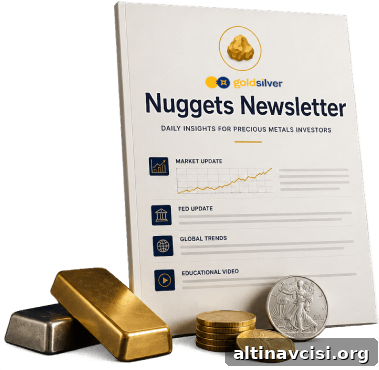
The Edge Every Investor Needs
Smarter precious metals investing starts here. The Nuggets Newsletter delivers market insights, Fed updates, global trends, and educational material to help you make better-informed decisions.
Why Is Goldman Sachs Still Targeting $4,900 for Gold?
Goldman Sachs strategist Samantha Dart reaffirmed the bank’s $4,900 end-2026 target, noting that the recent selloff largely reflected a revaluation of rate-sensitive Western demand rather than a disappearance of buyers. Goldman updated its central bank demand model after discovering that UK trade data had understated London vault outflows, raising its estimate of sovereign purchases. Central banks tend to accumulate gradually and on long-term mandates; those mandates are now driving meaningful purchases. A recent survey of central banks and sovereign wealth funds showed a notable shift toward reducing dollar allocations and increasing gold exposure within the next two years. In Goldman’s view, central bank accumulation and structural diversification remain powerful tailwinds for gold.
What Does the World Gold Council’s Mid-Year Outlook Say About Gold’s Second Half?
The World Gold Council’s Gold Mid-Year Outlook 2026, titled Point Break, frames the first half as a volatile period: gold surged to record highs in January, then fell sharply by late June, leaving the metal roughly 7% lower year-to-date. The WGC’s valuation framework places the base case for H2 in a relatively narrow band — roughly plus or minus 5% — but it identifies clear upside scenarios: a weakened economy, lower rate expectations, or persistent dip-buying could push gold back toward or above $4,500. Importantly, the WGC highlights structural differences from past corrections: Asian physical markets and sustained central bank mandates now play a direct role in price discovery, providing a stabilizing backdrop absent in earlier selloffs.
Does UBS Think the Gold Correction Is an Opportunity to Buy?
UBS’s Chief Investment Office called the drop below $4,000 a buying opportunity for investors who remain underallocated. The bank projects gold around $5,200 over the next 12 months. UBS is candid about short-term headwinds: higher real yields and a firmer dollar increase the opportunity cost of holding a non-yielding asset, and technical momentum points to a potential near-term trading range around $3,850–$4,000. Still, UBS’s strategic view expects the Fed to hold rates through 2026 with the first cut coming in 2027, which would favor gold as rate-hike risk fades and dollar positioning adjusts to large U.S. fiscal and external deficits.
Why Did Gold Fall If the Inflation Thesis Was Supposed to Help It?
MKS PAMP’s head of research, Nicky Shiels, argues the conventional question misreads the market. Gold did not fail as an inflation hedge in H1 2026; it reacted to a specific inflation shock — energy-driven, supply-side stagflation — that historically pressures gold because it raises the odds of central-bank tightening and increases the opportunity cost of holding a non-yielding asset. In that environment, gold behaved more like an inverse oil proxy than a debasement hedge. However, MKS PAMP stresses that the long-term drivers — fiscal dominance, potential dollar weakness, active central bank buying, and geopolitical fragmentation — remain intact. Their H2 target is $5,800, viewing the selloff as a pause rather than a trend reversal. On silver, they see upside tied to gold’s ability to retest and exceed prior highs.
Stay On Top of Gold & Silver Prices
Receive important market alerts and analysis in your inbox.
SOURCES
1. Kitco News — State Street’s baseline scenario sees gold near $5,500/oz by Q1 2027.
2. Kitco News — Goldman Sachs analysis on central bank demand and a $4,900/oz 2026 target.
3. World Gold Council — Gold Mid-Year Outlook 2026: Point Break.
4. UBS Chief Investment Office — Rationale for a potential gold rebound and a $5,200/oz projection.
5. Kitco News — MKS PAMP analysis forecasting a potential $5,800/oz target later in the cycle.
6. OMFIF survey reporting shifts in central bank dollar allocations and increased interest in gold.
7. CME Group — Fed policy probability tools and market-implied rate expectations.
Disclaimer: This article is informational only and does not constitute financial or investment advice. Consult a qualified financial adviser before making investment decisions.
You May Also Like:
- Gold Hits 3-Week High as Fed Hike Odds Halve on Jobs Miss
- The Jobs Report Missed. The Unemployment Rate Fell Anyway. Gold Didn’t Buy It.
- Gold Jumps as Rate-Hike Bets Unwind Ahead of Jobs Report
- Warsh Called Inflation “Too High.” He Also Said the Risk Is Fading. Gold Noticed.
- ADP Missed. Gold Shrugged. Warsh Is Live in Sintra Right Now.
- OCBC Cuts Its Gold Forecast for 2026 — The Reason Is the Story.
- Gold Is Closing Its Worst Quarter Since 2013. A War Made It Happen.
Popular Topics
Picked from the archive
-
01
 Topics
World Bank Predicts Precious Metals Prices to Rise 42% This Year
-
02
Topics
Gold Price Forecast: Oil Futures Diverge From Stocks
-
03
Topics
Gold Weekly: $9T Swing, Trump Fed Nominee, Record Premiums
-
04
Topics
How Stagflation Sparks Both Drivers of Silver
-
05
Topics
What’s Driving Gold Demand from Washington, D.C. to Mumbai
-
06
Topics
Dollar Steady as Markets Price 79% Odds of September Rate Cut
-
07
Topics
Gold Price Tops $5,500 Amid Accelerating Metals Rally
-
08
Topics
Central Banks Favor Gold Over the Dollar: Impact on Your Savings