Gold Price Tops $5,500 Amid Accelerating Metals Rally
Daily News Nuggets | Today’s top stories for gold and silver investors
January 29th, 2026
Gold Rockets Past $5,500 as Investors Pile into Safety
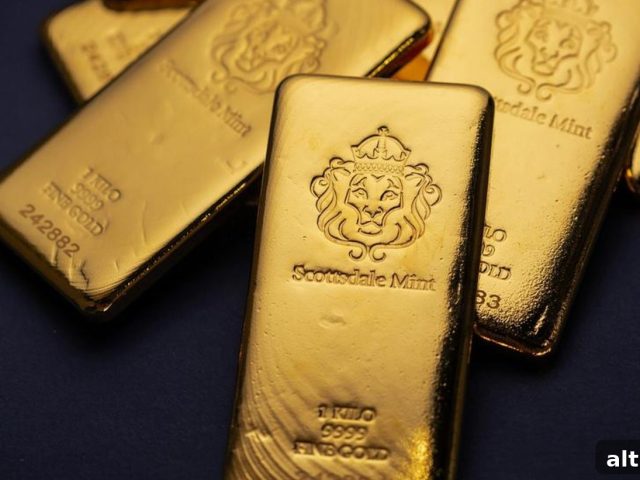
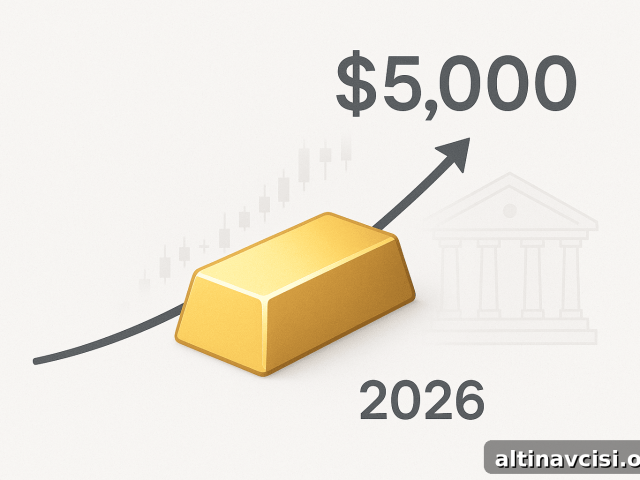
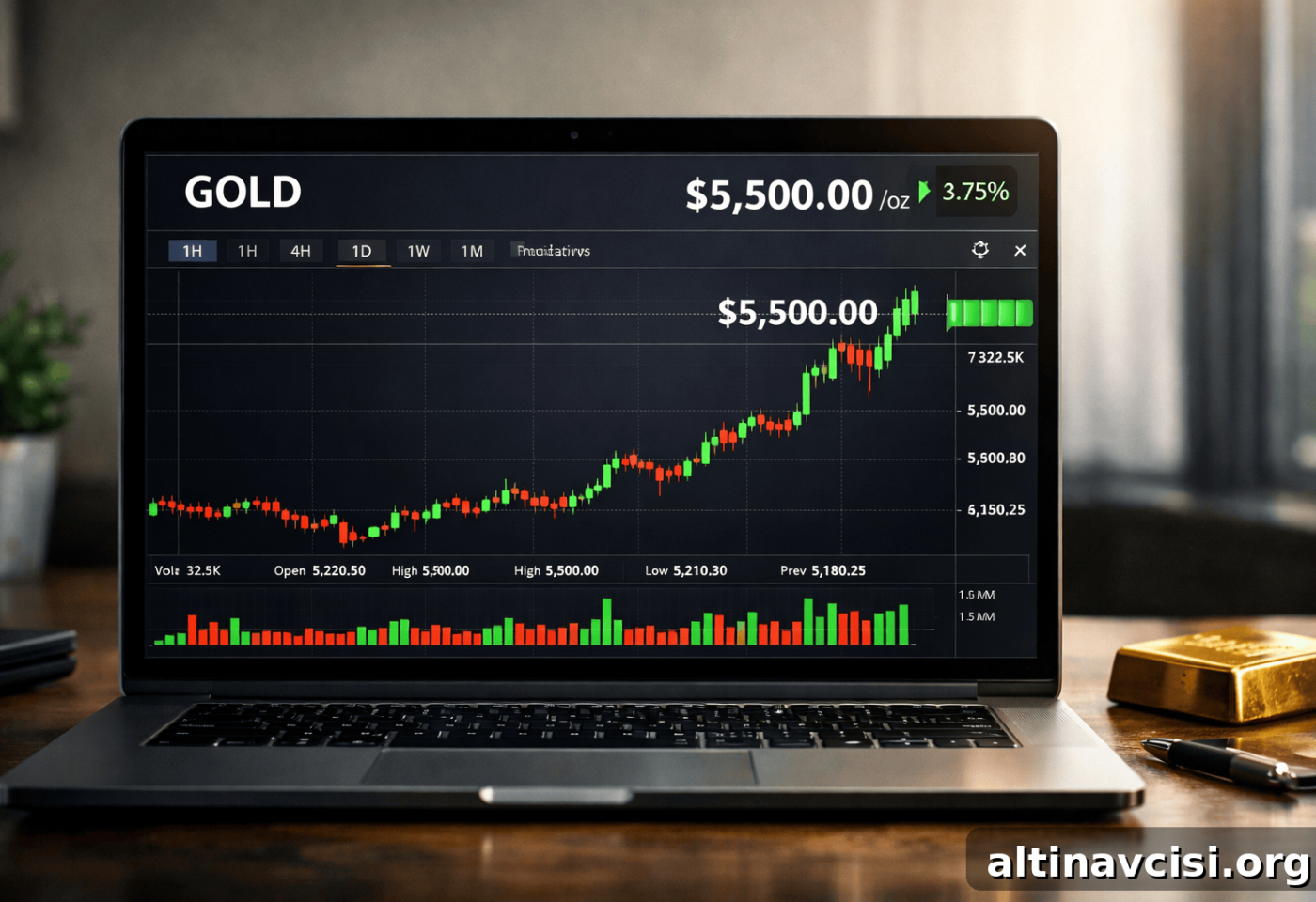
Gold surged to a new intraday record on Thursday, briefly reaching $5,591 per ounce before settling near $5,542 — a gain of more than 10% this week alone. The move reflects growing investor demand for reliable stores of value amid rising geopolitical and financial uncertainty.
Analysts point to several drivers behind the rally: escalating U.S. debt concerns, signs that global trade may be fragmenting into regional blocs, a weaker dollar and continued central bank purchases. Heightened tensions in parts of Europe and the Middle East have also pushed market participants toward precious metals as portfolio protection. Taken together, these factors are making gold less of a speculative play and more of a core risk-management asset for many investors.
Silver has advanced alongside gold, moving toward the $120 level as industrial and investment demand both pick up. While the recent rise has been rapid and could see intermittent pullbacks, the backdrop of sticky inflation and a cautious Federal Reserve has many strategists forecasting sustained support for precious metals through 2026.
The Financial System Isn’t Safer — And You Know It
As risks mount, discover why gold and silver are expected to remain in demand through 2026 and beyond.
Global Gold Demand Hits All-Time High in 2025
The World Gold Council reported that global gold demand reached a record in 2025, rising to 5,002 metric tons. Investment demand was the primary driver, jumping sharply as buyers turned to bars, coins and exchange-traded products.
Investment demand climbed to 2,175.3 tonnes in 2025 from 1,185.4 tonnes the previous year — a substantial increase that highlights investor preference for physical and fund-based gold exposure. At the same time, jewelry demand fell year-on-year as prices rose markedly, although total spending on jewelry still hit record levels in dollar terms. Central bank purchases continued, with notable additions to official reserves in several countries.
Analysts say the central question for 2026 is whether investment inflows will remain robust enough to underpin prices as market conditions evolve. For now, the combination of higher prices, geopolitical risk and central bank activity is keeping gold demand elevated across multiple segments.
The strong performance of physical metals underscores how traditional safe havens can outperform newer alternatives during short-term shocks and market dislocations.
Bitcoin’s “Digital Gold” Narrative Takes a Hit
As gold and silver rally, Bitcoin has lagged. The cryptocurrency has cooled from earlier highs and traded well below its peak, prompting some investors to pull capital out of crypto-linked funds in favor of equities and metals. This rotation has challenged the idea of Bitcoin as a near-term safe haven.
Recent market moves show Bitcoin behaving more like a risk asset than a crisis hedge: during short-term geopolitical tensions, Bitcoin suffered losses while gold rose. Experts note that gold’s value in immediate shocks—tariffs, policy uncertainty, conflict risk—differs from Bitcoin’s appeal for longer-term concerns, such as currency debasement over years rather than weeks.
For investors focused on preserving capital through near-term volatility, physical metals currently offer clearer defensive benefits.
Copper Surges to Record on China Trading Frenzy
Copper leapt sharply on Thursday, posting one of its biggest single-day moves in years as trading activity on Chinese exchanges intensified. Speculative flows on the Shanghai Futures Exchange and buying across global markets pushed prices higher, driven by expectations for strong spending on data centers, automation, and power infrastructure.
Other industrial metals, including aluminum and zinc, also saw heavy trading and price gains. A weaker U.S. dollar has amplified the move by making commodities more attractive to international buyers. Still, many market observers warn that speculative enthusiasm may have outpaced underlying demand in some cases, raising the possibility of increased volatility ahead.
Fed Holds Rates Steady as Powell Defends Independence
The Federal Reserve kept its key interest rate in a 3.5%–3.75% range on Wednesday, pausing after a series of cuts last year. Chair Jerome Powell noted improving growth indicators and signs of stabilization in the labor market, while core inflation remains above the Fed’s 2% target.
Two Fed officials dissented, preferring an additional rate cut, but the majority judged that holding steady was the appropriate course given current data. Powell also addressed concerns about central bank independence amid political pressure. Markets currently expect the next policy move to come later in the year, depending on incoming inflation and growth reports.
You May Also Like
- Gold Breaks $5,300 as Fed Meets, Dollar Craters
- Why Gold Just Hit $5,100 and Where It’s Headed Next
- Gold Breaks $5,000 as Bond Markets Crack
- Gold Price Eyes $5,000, Silver Nears $100
- Gold Eases on Greenland News, But Banks See $5,400+
Popular Topics
Picked from the archive
-
01
 Topics
June CPI Jumps 2.7 Percent as Tariffs Push Up Consumer Prices
-
02
Topics
Gold Prices Rise as Dollar Slips Ahead of Fed Rate Decision
-
03
Topics
Gold Purity Guide for Investors: Karats, Fineness and Value
-
04
Topics
Gold Prices Surge as Middle East Tensions Escalate
-
05
Topics
Russia Taps $1B Chinese Gold Market Amid Geopolitical Shift
-
06
Topics
Gold’s Bull Run: Fed Rate Cuts and China Buying Drive $5K Target
-
07
Topics
Treasury Yields Jump After May Inflation Tops Estimates at 2.7%
-
08
Topics
5 Factors That Drive Gold Spot Prices