Gold Prices Surge as Middle East Tensions Escalate

Daily News Nuggets | Today’s top stories for gold and silver investors
March 2nd, 2026 | Brandon Sauerwein, Editor
Safe-Haven Demand Returns as Middle East War Fears Grow
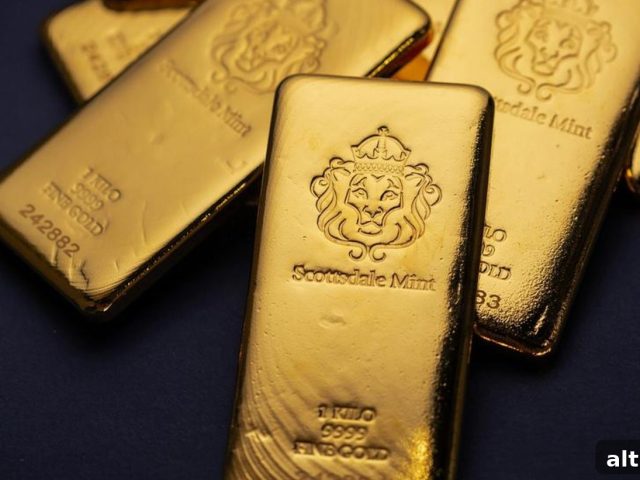
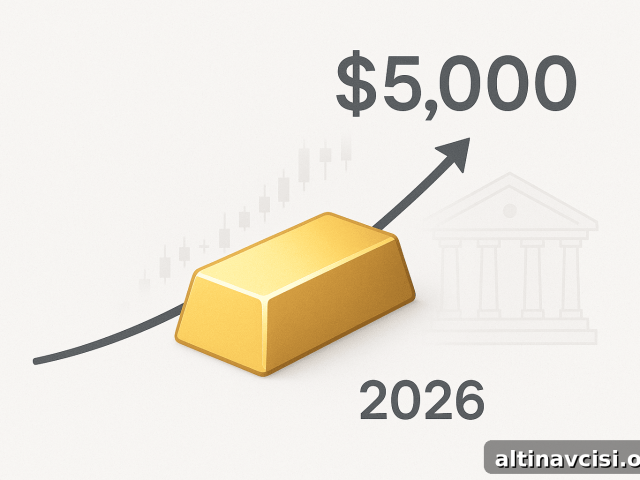
Gold jumped on renewed geopolitical tensions in the Middle East, rising to $5,390/oz (+2.10%) as recent military action involving the U.S., Israel, and Iran rattled financial markets. Silver followed suit, climbing above $95/oz (+1.5%), underscoring broad strength across precious metals as investors sought assets perceived to preserve value.
The strikes and swift retaliatory moves increased concerns about a wider regional escalation and possible disruptions to trade and supply chains. As a result, investors shifted to a risk-off stance, reallocating into physical and liquid stores of value with no counterparty exposure.
This shift reflects a familiar pattern: geopolitical shocks layered onto an already uncertain economic backdrop tend to bolster gold’s appeal. The macro environment continues to include persistent inflationary pressures, sizeable sovereign debt burdens, and uneven policy signals — conditions that often reinforce demand for tangible assets.
Structural support for precious metals also remains in place. Central banks have maintained their accumulation of gold reserves, while many market participants still expect future monetary easing cycles in various regions. Those factors provide a durable underpinning for prices even as short-term volatility picks up.

Stocks Tumble as War Risk Hits Equities
U.S. stock futures fell sharply ahead of the trading session, with S&P 500 futures down roughly 1.3% and Nasdaq futures off near 1.8%, while Dow futures were weaker by more than 400 points in early trade. The rapid selloff reflected a broad repricing of geopolitical risk as investors reassessed exposure to risk assets.
Sector performance highlighted the market reaction. Energy and defense names outperformed amid the surge in geopolitical risk, while airlines, travel-related companies, and consumer discretionary stocks underperformed as uncertainty weighed on demand expectations. High-valuation growth stocks, which had run ahead of fundamentals, faced renewed pressure as volatility returned to markets.
Markets had been trading near record or multi-year highs in recent months, with subdued volatility and compressed risk premiums. That environment left little buffer for sudden shocks; the latest events suggest investors are less confident that regional conflicts will remain contained.
Oil’s rebound added another layer of concern, since higher energy costs can feed into inflation and complicate central-bank policy decisions. For now, equity market moves reflect both short-term risk aversion and a reassessment of longer-term economic uncertainties.
War-Driven Oil Surge Complicates the Fed’s Path
Crude oil spiked on fears of supply disruptions after strikes and retaliatory actions in the region, driving a higher geopolitical risk premium into energy markets. Concerns centered on potential interruptions to shipping through strategic chokepoints such as the Strait of Hormuz, which historically accounts for a meaningful share of global oil flows.
Both Brent and U.S. benchmark crude climbed as traders priced in the possibility of tighter global supplies. Should tensions persist, that risk premium could remain elevated for an extended period, keeping energy costs higher than they otherwise would be.
Rising oil prices have broad economic consequences: transportation and logistics costs increase, profit margins in energy-consuming industries come under pressure, and consumer prices tend to follow. While the pass-through to headline inflation is rarely immediate, energy shocks are often persistent and can shift inflation expectations.
For the Federal Reserve, a sustained spike in energy costs complicates the outlook. With markets having priced in the potential for rate cuts later in the year, higher energy-driven inflation could delay or alter the timing and scale of monetary easing even if broader economic growth shows signs of slowing.
Policymakers must weigh these external inflationary risks alongside domestic structural changes that are reshaping productivity and labor markets, making forecasts more challenging.
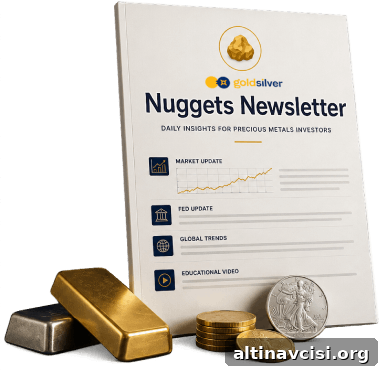
The Edge Every Investor Needs
Smarter precious-metals investing starts here. The Nuggets Newsletter delivers concise market analysis, Fed and inflation updates, global trends, and timely educational content.
Artificial Intelligence Is Forcing the Fed to Rethink Monetary Policy
The Federal Reserve has stepped up efforts to evaluate how artificial intelligence might reshape the U.S. economy. Officials are analyzing potential impacts on productivity, wage dynamics, and longer-term inflation trends as AI adoption accelerates across industries.
If AI delivers substantial productivity gains, it could allow faster output growth without reigniting inflation — a favorable outcome for policymakers. However, there is uncertainty about timing and distribution: investment in AI infrastructure is rising, valuations in technology sectors remain elevated, and the labor-market effects could vary widely across sectors and skill levels.
Traditional macroeconomic models, which are rooted in decades of historical data, may not immediately capture the pace and scope of technological transformation. That mismatch between forward-looking market expectations and measurable economic outcomes could generate volatility: if optimism about AI outpaces real-world gains, asset prices might correct; if productivity improvements arrive sooner than expected, policy assumptions will need to be revised rapidly.
Baby Boomers Are Still Driving the U.S. Economy
Despite ongoing recession concerns, Baby Boomers remain an important stabilizing force for the U.S. economy. Americans aged 60 and older hold a significant portion of national wealth and continue to spend on travel, housing, healthcare, and lifestyle services — supporting GDP even as borrowing costs strain younger households.
Many older Americans also remain in the workforce longer than previous generations did at similar ages, whether by choice or necessity. Their continued participation helps alleviate labor shortages in some sectors and sustains consumer demand.
Economists caution, however, that this demographic support may evolve over time. As more Boomers shift deeper into retirement, preferences tend to move toward capital preservation and income generation rather than growth-oriented investments. For markets, an aging, wealth-concentrated population can increase demand for lower-volatility assets and tangible stores of value, including precious metals, as investors prioritize stability and purchasing-power protection.
Stay On Top of Gold & Silver Prices
Receive timely market alerts and concise analysis delivered to your inbox.
You May Also Like
- Gold Above $5,200, Silver Above $90 — as Inflation Refuses to Fade
- Gold Price Rally Nears Record Streak as Tariffs Return
- Metals Rise, Confidence Cracks, and the Affordability Gap Widens
- Gold Up 21%, Silver 25% YTD as AI and Inflation Risks Build
- Gold Hits $5,000. Is This the Next Leg Higher?
Popular Topics
Picked from the archive
-
01
 Topics
June CPI Jumps 2.7 Percent as Tariffs Push Up Consumer Prices
-
02
Topics
Gold Prices Rise as Dollar Slips Ahead of Fed Rate Decision
-
03
Topics
Gold Purity Guide for Investors: Karats, Fineness and Value
-
04
Topics
Russia Taps $1B Chinese Gold Market Amid Geopolitical Shift
-
05
Topics
Gold’s Bull Run: Fed Rate Cuts and China Buying Drive $5K Target
-
06
Topics
Treasury Yields Jump After May Inflation Tops Estimates at 2.7%
-
07
Topics
5 Factors That Drive Gold Spot Prices
-
08
Topics
Gold Drops After June Jobs Data Beats Forecasts