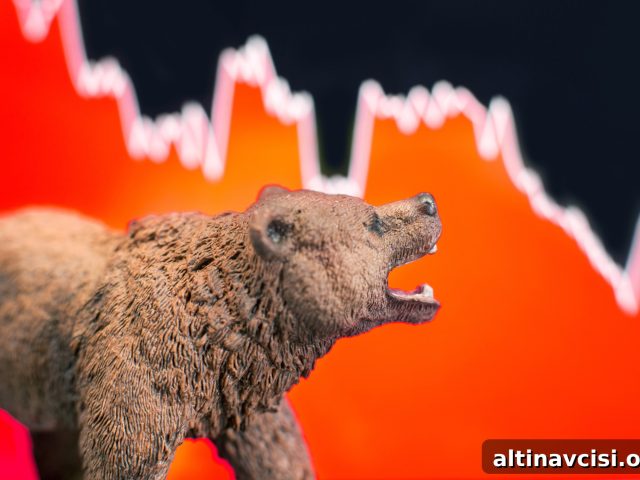
Gold Drops After June Jobs Data Beats Forecasts
Gold Falls About 1% After Strong Jobs Report; Analysts Still Bullish on Long-Term Outlook
Market update: the precious metal reversed earlier gains following the release of a stronger-than-anticipated June jobs report, prompting a near 1% decline in gold prices.
Immediate Market Reaction
Gold was trading higher earlier in the day as investors weighed various economic signals, but prices reversed course and dropped roughly 1% after the jobs data surprised economists on the upside. Such employment reports frequently influence investor expectations for interest rates and monetary policy, which in turn affect safe-haven assets like gold.
Why Strong Jobs Data Pressures Gold
Gold typically responds to changes in expectations about interest rates, inflation and currency values. When employment data is stronger than expected, it can prompt traders to reassess the timing or pace of central bank actions. Higher confidence in the economy often leads investors to favor rate-sensitive assets over non-yielding metals, creating downward pressure on gold prices. Additionally, improved economic indicators can bolster the U.S. dollar, which tends to make dollar-priced commodities less attractive to holders of other currencies.
Context and Market Dynamics
Short-term price movements in gold can be volatile and driven by a combination of macroeconomic releases, geopolitical developments and flows into exchange-traded products. While a single data point like the June jobs report can trigger an immediate reaction, traders and longer-term investors typically consider a broader set of indicators — including inflation trends, central bank communications and global risk sentiment — before adjusting positions materially.
Analysts’ Longer-Term Views
Despite the recent pullback, many analysts remain optimistic about gold’s medium- to long-term prospects. Ongoing economic uncertainties and geopolitical concerns are frequently cited as supportive factors for the metal’s role as a portfolio hedge. Some market observers even forecast higher targets down the road, with a subset suggesting gold could reach $4,000 per ounce within the next year under certain scenarios. These more bullish projections typically assume persistent uncertainty, renewed inflationary pressures, or significant shifts in monetary policy expectations that favor safe-haven demand.
What Investors Should Consider
Investors thinking about gold should weigh both the short-term drivers that caused the recent drop and the longer-term fundamentals that underpin demand. Key considerations include:
- Interest rate expectations and central bank guidance.
- Inflation trends and real yields, which directly affect gold’s opportunity cost.
- Geopolitical risks and market volatility that can boost safe-haven flows.
- Portfolio allocation goals and time horizon, since gold is commonly used for diversification and protection against systemic risks.
Because gold does not yield interest, its performance often depends on the broader macroeconomic backdrop and investor sentiment. Short-term declines should be assessed within that wider context rather than as isolated events.
Bottom Line
The stronger-than-expected June jobs report prompted a roughly 1% drop in gold after midday gains, illustrating how sensitive the market is to labor-market signals and rate expectations. Nonetheless, many analysts continue to view gold favorably over the longer term, citing economic uncertainty and geopolitical tensions as enduring sources of demand. Individual investors should align any decisions about gold with their risk tolerance, investment horizon and overall financial plan.
Popular Topics
Picked from the archive
-
01
 Topics
Gold Drops as Israel-Iran Tensions Escalate
-
02
Topics
Copper Market Races to Meet August 1 Tariff Deadline
-
03
Topics
Treasury Yields Slip Ahead of U.S.-China Summit in London
-
04
Topics
Fed’s Inflation Gain May Be Short-Lived as Tariffs Loom
-
05
Topics
Incrementum In Gold We Trust Report: Gold Market Outlook
-
06
Topics
RBA Warns Inflation Risks Remain Despite Current Calm
-
07
Topics
Gold Price Tops $3,350 on Tariff Fears, Ukraine Tensions
-
08
Topics
Copper Inventories Drop 80% Amid US Tariff Fears, Supply Crisis