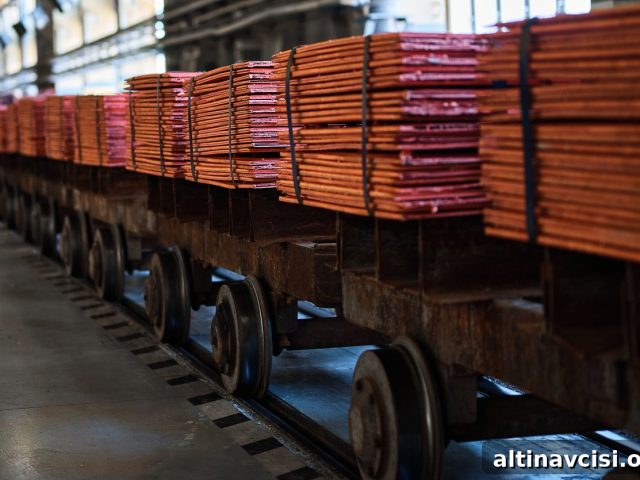
Copper Market Races to Meet August 1 Tariff Deadline
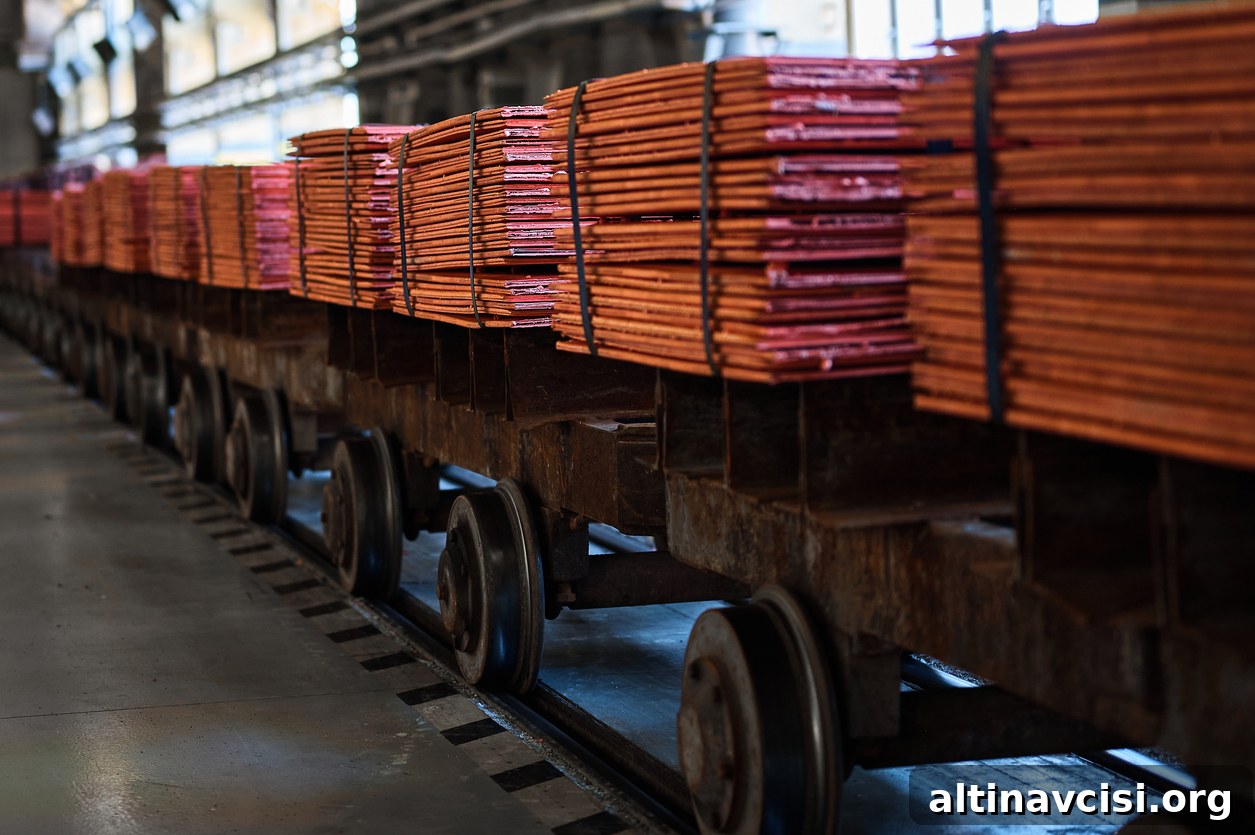
Copper Traders Rush to Beat 50% U.S. Import Tariff Ahead of August 1 Deadline
Copper traders are scrambling as a newly announced 50% tariff on imports, attributed to President Trump, is scheduled to take effect on August 1. The tariff has created a sharp arbitrage opportunity: U.S. copper futures are trading at a significant premium to global benchmark prices, and market participants are racing to move metal into the country and close positions before the higher levy begins to apply.
With U.S. futures trading at roughly a 25% premium to international levels, logistics teams and trading desks have shifted into emergency mode. Shipments are being re-routed to faster or more accessible U.S. entry points, including U.S. territories such as Hawaii and Puerto Rico, where transit times or customs processing may be quicker. At the same time, inventory accumulation is rising at traditional hub ports—New Orleans and Panama City among them—as traders seek to deposit cargo in locations that may qualify under the anticipated rules or simply to get metal onto American soil before the deadline.
Some market participants are reportedly willing to pay steep premiums to secure qualifying physical copper, in some cases as much as $400 per ton above London price benchmarks, in order to ensure delivery prior to August 1. These sorts of premia reflect the immediate squeeze between spot and futures markets and the speed with which supply chains must adjust. The scramble has intensified freight demand and put upward pressure on short-term storage requirements at U.S. ports and inland warehouses.
Despite the frantic pace, major uncertainties remain. It is not yet clear whether the tariff will apply to metal already in transit when the rule takes effect, whether certain types or forms of copper will be exempt, or whether administrative clarifications could alter the effective scope of the measure. Those open questions are keeping legal and compliance teams busy as they review documentation, certificates of origin, bills of lading and other evidence that might affect a shipment’s treatment under the forthcoming tariff regulations.
Traders and supply chain managers are deploying several common strategies to cope with the uncertainty. Some are prioritizing shipments that can be fast-tracked and directly delivered to U.S. ports before the deadline. Others are seeking alternative routes or additional storage options in territories that may fall under different customs regimes. Hedging activity in the futures and options markets has also intensified as counterparties attempt to lock in prices or offset the risk of prices moving sharply in response to last-minute flows. Where possible, counterparties are renegotiating contracts and payment terms to reflect the incoming policy change.
The market impact extends beyond physical logistics. Price volatility may increase as speculative positions are adjusted and arbitrage opportunities diminish once the tariff is enforced. U.S. domestic consumers of copper—manufacturers, utilities, and construction firms—could face higher input costs if the tariff reduces imported supply or raises import-adjusted prices. Conversely, domestic producers might see a relative advantage, depending on how the tariff is implemented and whether any exemptions are granted.
Key indicators to watch in the coming days include official guidance from customs authorities, formal interpretations of whether in-transit cargo is subject to the tariff, and any targeted exemptions or clarifications that could narrow the measure’s scope. Market observers will also monitor shipping manifests, port inventory reports, and futures basis spreads for signs that the window to import at current rates is closing or has already closed.
For now, the market is operating at high intensity. Traders are prioritizing speed and documentation, carriers are seeking fast berths and offload options, and warehousing capacity is being booked aggressively. Whether the rush will leave lasting structural effects on supply chains or simply produce a short-term spike in activity will depend largely on how the tariff is applied in practice and whether authorities issue clarifying guidance before or after the August 1 effective date.
Given the fluid situation, market participants are advised to maintain close communication with customs brokers, logistics partners and legal counsel, and to monitor official announcements closely. Careful record-keeping and timely action may determine whether shipments avoid the higher cost or become subject to the new import levy once the deadline passes.
Popular Topics
Picked from the archive
-
01
 Topics
Major Banks Split Over Gold’s Future
-
02
Topics
Trump’s 50% Tariff Threat Sparks Stock Market Turmoil
-
03
Topics
Yen Slips as BOJ Delays Inflation Target, Tariff Fears
-
04
Topics
Gold Price Drops Below USD 3,250 as Trade Talks Boost Markets
-
05
Topics
Copper Inventories Drop 80% Amid US Tariff Fears, Supply Crisis
-
06
Topics
US Initial Jobless Claims Jump to 240,000
-
07
Topics
Trump Imposes 35% Tariffs on Canadian Imports: Economic Impact
-
08
Topics
Incrementum Gold Compass: July 2025 Market Outlook