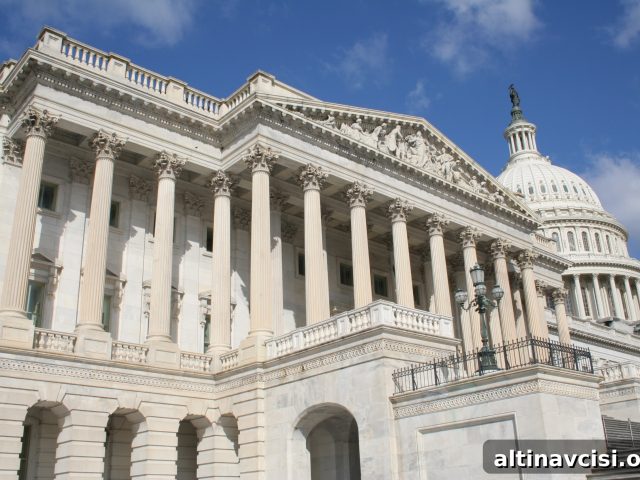
Trump Imposes 35% Tariffs on Canadian Imports: Economic Impact

Trump Raises Tariffs on Canadian Goods to 35%: What It Means for Trade, Markets and Relations
President Trump’s decision to raise tariffs on Canadian goods to 35% has intensified economic friction with one of the United States’ closest trading partners. The move, framed by the administration as tied to fentanyl enforcement and longstanding trade grievances, arrives amid a broader surge of U.S. tariff actions that have already unsettled global markets. With the new duties scheduled to take effect on August 1, businesses, investors and policymakers are bracing for the potential ripple effects across supply chains, cross-border investment and bilateral relations.
Immediate Market Reaction and Investor Concerns
Financial markets responded quickly. Early declines in stock market futures reflected investor unease about escalating trade tensions and the uncertain impact on corporate profits and consumer prices. Tariff announcements can prompt immediate re-pricing of risk, weigh on multinational firms with significant exposure to cross-border supply chains, and increase volatility in both equity and currency markets. Market participants are closely watching for additional tariff notices, retaliatory measures and any signaling from negotiators that could calm or heighten tensions.
Canada’s Response and Ongoing Negotiations
Canada has already signaled pushback, imposing retaliatory tariffs of its own while continuing to engage in diplomatic and trade channels. Ottawa’s response aims to defend Canadian exporters and deter unilateral trade restrictions, even as officials pursue negotiations to resolve the dispute. As one of the United States’ top trading partners, Canada’s policy choices and any economic countermeasures will be scrutinized for their impact on bilateral commerce and regional integration. The direction of talks in the coming days and weeks will be critical to the economic outlook.
Potential Economic and Supply Chain Implications
Higher tariffs can increase costs for importers and ultimately for consumers, depending on how businesses adjust prices and margins. Companies that rely on cross-border inputs may face higher production costs or be forced to restructure supply chains to avoid tariffs. That could involve sourcing from alternative suppliers, shifting manufacturing locations, or absorbing costs in a competitive market—each of which carries its own operational and financial consequences. While the specific impact will vary by industry and company, sectors with deep U.S.-Canada integration are likely to be among the most affected.
Policy Context: Enforcement, Fentanyl and Trade Grievances
The administration has linked the tariff increase to concerns over fentanyl enforcement and broader trade grievances. Using trade policy as leverage to address non-trade issues is a strategy that can produce intense diplomatic debate and unpredictable economic outcomes. Enforcement of drug-related laws and cross-border security cooperation are complex topics that typically require collaboration rather than unilateral trade measures. How both governments choose to prioritize negotiation, enforcement cooperation and trade remedies will shape whether this escalation leads to a managed resolution or a prolonged period of friction.
What to Watch Next
Key things to monitor include any formal responses from Canadian leadership, additional tariff announcements or regulatory measures from either government, and statements from major industry groups representing exporters and manufacturers. Market signals—such as bond yields, currency moves and equity volatility—will reflect evolving expectations about the duration and severity of the dispute. For businesses, tracking guidance from trade associations, changes to customs procedures, and contingency plans for supply-chain adjustments will be essential in the weeks ahead.
Conclusion
The decision to impose 35% tariffs on Canadian goods represents a significant escalation in U.S.-Canada economic relations, with potential consequences for markets, businesses and everyday consumers. With the measures slated to begin on August 1, the immediate focus is on diplomatic engagement, possible retaliation and the ability of both sides to find common ground. The outcome will have implications not only for bilateral trade but also for broader questions about how trade policy is used to address security and enforcement issues in an increasingly interconnected global economy.
Popular Topics
Picked from the archive
-
01
 Topics
Fed Keeps Rates Steady Despite Trump’s Push to Oust Powell
-
02
Topics
Federal Reserve Official: Investors Aren’t Fleeing U.S. Assets
-
03
Topics
Dollar Surges as Trump Threatens Tariffs on Copper and Chips
-
04
Topics
Treasury Yields Jump as Strong Jobs Report Raises Rate-Hike Odds
-
05
Topics
ECB Reaches 2% Inflation Target in June as Eurozone Prices Hold
-
06
Topics
Interactive Brokers’ Sosnick: Why Gold Is America’s Anti-Dollar
-
07
Topics
Powell: Fed Dollar Swap Lines to Stay Amid Political Uncertainty
-
08
Topics
Florida Legalizes Gold and Silver Coins as Legal Tender