Dollar Surges as Trump Threatens Tariffs on Copper and Chips
US Dollar Near Two-Week High Against Yen After New Tariff Announcement
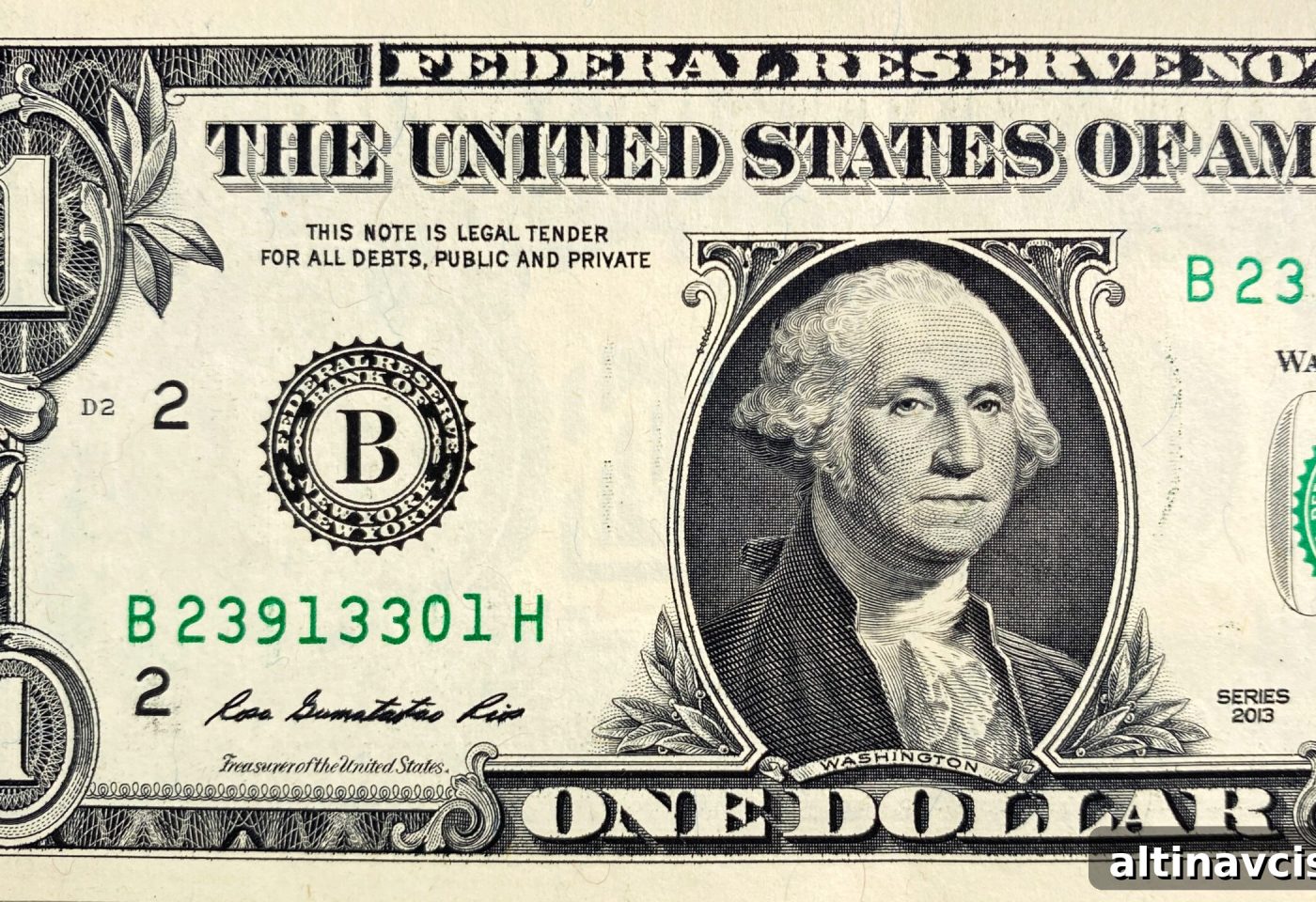
The U.S. dollar hovered near its highest level in more than two weeks against the Japanese yen after President Trump intensified trade tensions by announcing a fresh round of tariffs scheduled to begin on August 1. The announcement, which included threats of additional levies on sectors such as copper, semiconductors, and pharmaceuticals, pushed the dollar slightly higher against several major currencies.
Market Reaction and Sentiment
Market participants broadly view these aggressive tariff moves as part of a negotiating strategy rather than an immediate shift to a full-scale trade war. Traders priced the announcement as an escalation that raises short-term uncertainty, prompting safe-haven flows into the dollar in some corridors and heightened volatility in currency markets. Despite the recent advance, the dollar index remains lower by more than six percent since the introduction of the so-called “Liberation Day” tariffs in April.
Why the Yen Weakened
Japan’s currency weakened noticeably in response to the developments. With talks between the U.S. and Japan appearing distant and unresolved, the yen came under pressure as markets reassess the potential economic spillovers from renewed tariff threats. Currency traders are also sensitive to the timing and tone of bilateral negotiations; when talks appear stalled, the yen often reflects that uncertainty through depreciation.
Other Currencies and Regional Responses
The euro dipped amid speculation that parts of the European Union could seek exemptions from new U.S. tariffs, reducing immediate safe-haven demand for the single currency. Meanwhile, the New Zealand dollar fell after the Reserve Bank flagged concerns about short-term inflation pressures, prompting investors to adjust interest rate expectations for New Zealand. Across emerging markets, currency moves were mixed, shaped by their trade exposure to the U.S. and Japan as well as domestic monetary settings.
What Investors Are Watching Next
Several upcoming events are likely to influence currency flows in the near term. Markets are closely tracking the minutes from the U.S. Federal Reserve’s recent meeting for insights on the central bank’s policy stance and rate outlook. Any shift in messaging around inflation, growth, or the path of interest rates could alter dollar momentum.
Investors are also keeping an eye on domestic politics in Japan, including upcoming elections that could affect policy direction and market sentiment. Political uncertainty, especially when paired with trade tensions, tends to amplify currency volatility. Beyond Japan, developments in trade negotiations and any formal announcements of exemptions or retaliatory measures will be key drivers for exchange rates globally.
Outlook and Risks
The near-term outlook for the dollar and other major currencies remains tethered to trade policy signals and central bank communications. If tariff rhetoric continues to escalate without clear progress toward resolution, the dollar could maintain strength against currencies that are viewed as more exposed to trade disruption. Conversely, if negotiations show signs of constructive movement or exemptions are granted, risk appetite could recover, benefiting risk-sensitive currencies and reducing demand for the dollar as a safe haven.
Key Takeaways
- The U.S. dollar rose to near a two-week high against the yen after a new round of tariffs was announced to start August 1.
- Markets interpret the tariffs largely as negotiation tactics, but the lack of a clear deal has put downward pressure on the yen.
- The dollar index is still over 6% lower since April’s “Liberation Day” tariffs, despite recent gains.
- Investors are watching Fed minutes, Japanese elections, and any tariff exemptions closely for signals on future currency moves.
As trade discussions evolve and central banks communicate policy intentions, currency markets are likely to remain reactive. Traders and investors will be closely monitoring each new development for clues on the broader economic and financial implications.
Popular Topics
Picked from the archive
-
01
 Topics
China Central Bank Extends Gold Buying Streak as Pace Slows
-
02
Topics
Trade War Could Trigger Summer Recession, Says Apollo Economist
-
03
Topics
JPMorgan Strategist: Gold as Hedge Against Geopolitical Risk
-
04
Topics
Bernstein Warns Investors of Bear Market Risk, Recommends Gold
-
05
Topics
Trump Targets Powell Over Fed Spending, White House Tensions Rise
-
06
Topics
Gold Rises 0.7% as Weak U.S. Data Pushes Dollar Down
-
07
Topics
China Cuts Critical Mineral Exports, Prices Soar
-
08
Topics
Gold Surges 1.7% After Israel Strikes Iran