Trump Imposes 50% Copper Tariff, Targets Pharma and Chips
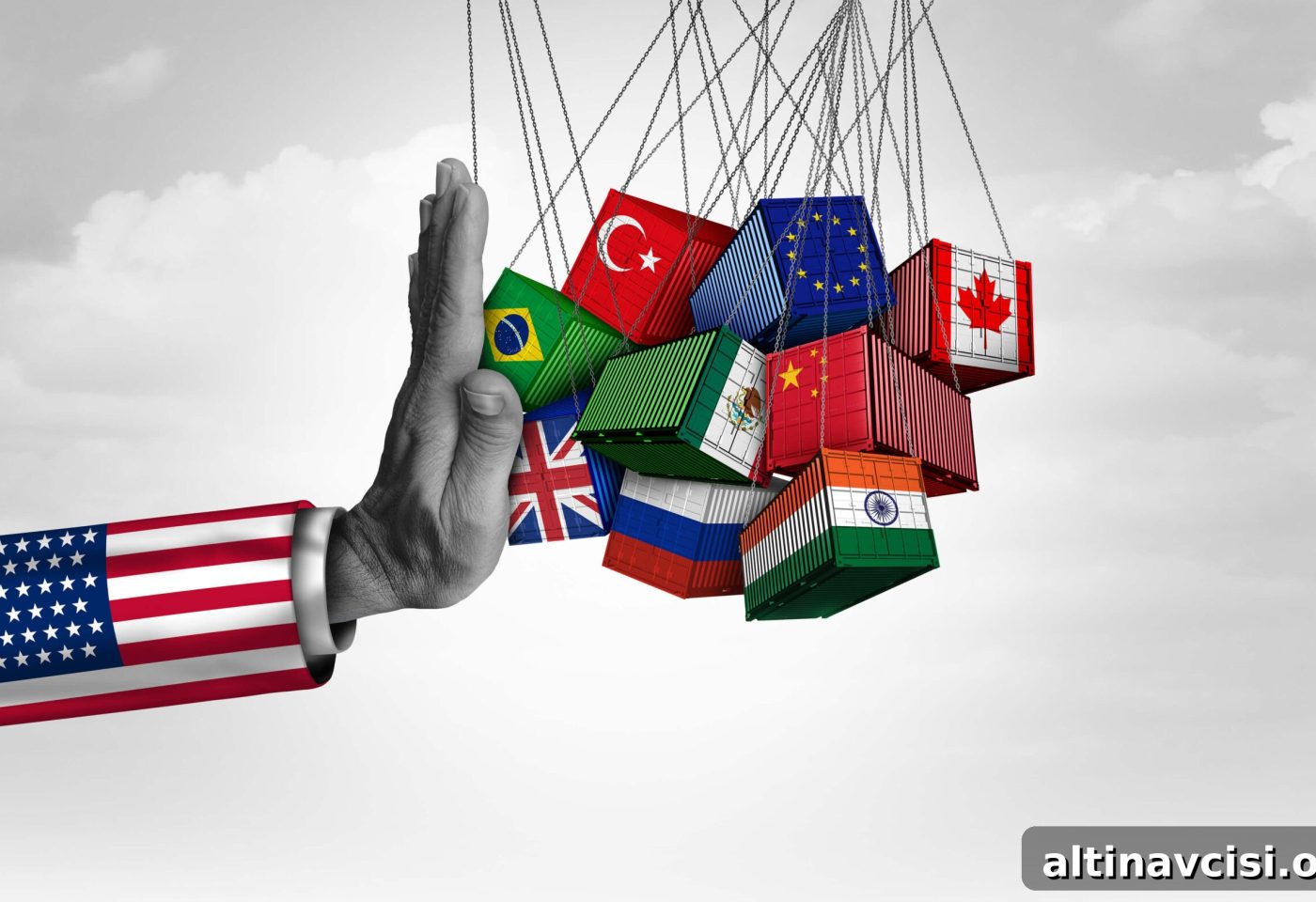
President Announces 50% Tariff on Imported Copper; Broader Tariff Plan Stirs Market Anxiety
President Trump has announced a 50% tariff on imported copper and indicated that additional tariffs are forthcoming, with steep levies expected to target semiconductors and pharmaceuticals. The decision immediately reverberated through commodity and financial markets, intensifying concerns about a broader shift in U.S. trade policy.
Immediate Market Reaction
Following the announcement, U.S. copper prices surged by more than 10%. That jump reflects market participants rapidly re-pricing risks tied to supply disruptions and higher input costs for industries that rely heavily on copper, including construction, electronics, electrical equipment, and automotive manufacturing.
Global markets reacted with heightened volatility as investors and traders assessed the potential downstream effects. When key industrial metals move sharply, ripple effects often follow across related commodity markets, equity sectors, and currency valuations.
International Responses and Trade Partners
Major trading partners, including Japan and South Korea, were reported to be scrambling to evaluate the implications and formulate responses. Those countries are significant participants in global supply chains for electronics and advanced manufacturing, and abrupt tariff actions can complicate sourcing strategies, pricing, and bilateral trade relationships.
President Trump said talks with the European Union and China are progressing, but the trade agenda appears to be expanding with limited prior notice and clarity. Such uncertainty can complicate diplomatic negotiations and make it more difficult for businesses to plan cross-border activities.
Possible Implications for Industry and Supply Chains
A 50% tariff on copper could raise costs for manufacturers that use the metal as a core input. Higher commodity prices and increased import duties tend to feed into production expenses, which may then be passed on to consumers or absorbed by margins, depending on competitive and contractual dynamics.
Announcements of planned tariffs on semiconductors and pharmaceuticals suggest potential pressure on two highly sensitive sectors. Semiconductors are foundational to modern electronics and automotive systems, while pharmaceuticals are central to healthcare supply chains. Tariffs in these areas could complicate sourcing, slow procurement cycles, and increase costs for both producers and end users.
Market and Policy Uncertainty
Investors typically dislike policy uncertainty, and trade measures introduced with little warning can heighten risk aversion. Market participants may respond by adjusting portfolios, hedging exposures, or delaying investment decisions until there is clearer guidance on scope, duration, and possible retaliation.
From a policy perspective, sudden tariff escalations can prompt countermeasures from affected countries, potentially leading to tit-for-tat measures that further disrupt global trade flows. The broader economic impact will depend on how other nations respond, how long tariffs remain in place, and whether exemptions or mitigation measures are introduced.
What Businesses and Observers Should Watch
Companies that rely on copper, semiconductors, or imported pharmaceuticals should closely monitor further announcements and assess exposure across their supply chains. Scenario planning—examining potential cost impacts, supplier diversification options, and inventory strategies—can help firms navigate near-term turbulence.
Observers and market participants will be watching for additional details, including implementation timelines, targeted product lists, possible exemptions, and the results of any diplomatic negotiations. Clear guidance from policymakers would reduce uncertainty and allow businesses and markets to adjust more smoothly.
Summary
The announcement of a 50% tariff on imported copper, together with signals of looming tariffs on semiconductors and pharmaceuticals, has already driven significant price movement in commodities and prompted concern among trade partners. While talks with the EU and China were described as progressing, the lack of detailed information and the rapid expansion of tariffs have contributed to market unease. The coming days and weeks will be critical for assessing the full economic and geopolitical implications of these trade actions.
Popular Topics
Picked from the archive
-
01
 Topics
Gold Drops from Record Highs as Global Trade Relations Improve
-
02
Topics
Oil Posts Largest Monthly Drop Since 2022 as Prices Stabilize
-
03
Topics
Fed Says It’s Poised to Wait as Trade Policy Remains Unclear
-
04
Topics
Australia’s Central Bank Delays Rate Cut as Inflation Eases
-
05
Topics
Foreign Treasury Selloff Threatens U.S. Borrowing Costs
-
06
Topics
US Credit Downgrade Sparks Gold Price Rally
-
07
Topics
Gold Falls Below USD 3,350 After Strong US Jobs Report
-
08
Topics
Kevin O’Leary Rejects Wall Street’s 2025 Recession Forecast