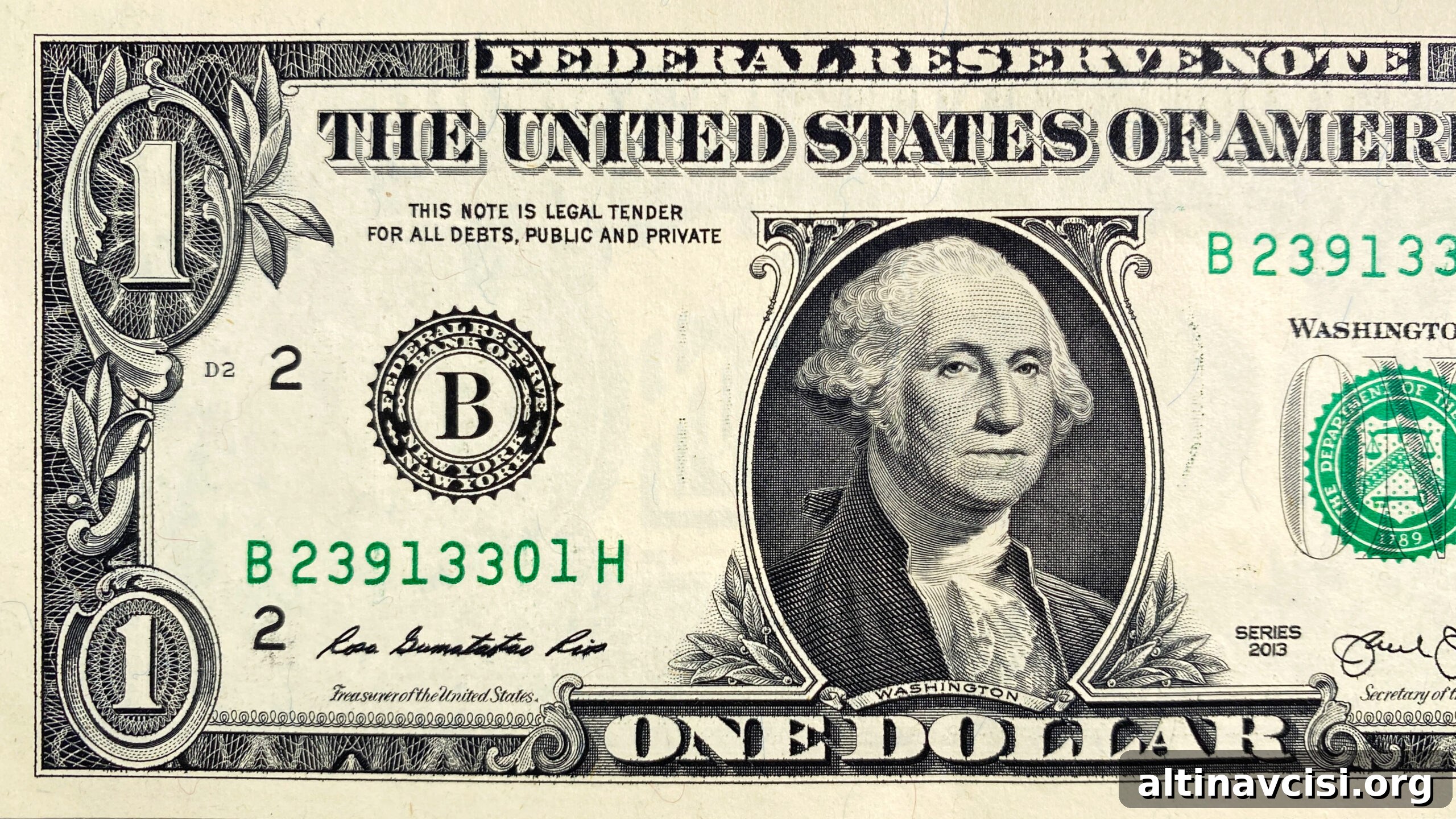
The U.S. dollar was largely unchanged on Thursday as investors awaited Federal Reserve Chair Jerome Powell’s speech at the Jackson Hole symposium on Friday for clearer signals about future monetary policy.
Market-implied odds continue to point toward a rate cut in September, with probabilities holding around 79%, a slight decline from earlier expectations as traders weigh recent economic data and Fed commentary.
Political pressure has added an element of uncertainty. Former President Donald Trump renewed his criticisms of the Federal Reserve this week, including calls for the resignation of Governor Lisa Cook. Such attacks have heightened concerns about the independence of the central bank and how political rhetoric might influence market sentiment.
The dollar index was steady at 98.337. Major currency pairs showed limited movement as markets looked past today’s headlines and focused on Powell’s upcoming remarks for guidance on the Fed’s outlook and timing for potential rate adjustments.
In trade news, the U.S. and European Union confirmed a deal that includes a 15% tariff on many European imports. Despite the significance of that agreement, currency markets reacted only modestly, suggesting investors are prioritizing central bank signals and economic indicators over tariff developments for near-term direction.
Looking ahead, traders will be closely watching Powell’s Jackson Hole address for any change in language about inflation, growth prospects, and the likelihood of rate cuts. Economic data releases between now and Friday could further influence market-implied probabilities and prompt additional moves in the dollar and other major currencies.
Overall, the market tone remained cautious: investors are seeking clarity from policymakers while monitoring political developments that could affect confidence in central bank decision-making. Until clearer guidance emerges from the Fed, volatility may be muted, with price movements driven primarily by headline risk and incoming economic data.