3 Fed Officials Voted to Hike Rates: What It Means for Gold
Key Takeaways:
- The July 29 FOMC vote was 9–3. Cleveland President Beth Hammack, Minneapolis President Neel Kashkari, and Dallas President Lorie Logan preferred a 25 basis-point hike — the largest concentrated hawkish dissent since September 2016.
- FOMC minutes from that meeting are released tomorrow, August 19 at 2:00 p.m. ET. Investors will watch how explicitly the three dissenters explained their views and whether any majority members signaled agreement or sympathy.
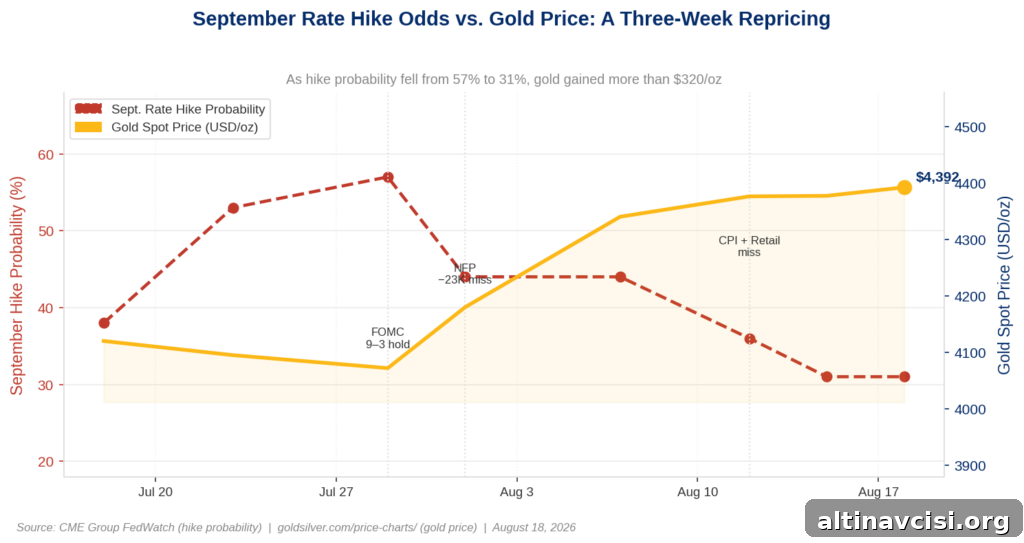
- Odds of a September rate increase fell from roughly 57% to about one-in-three after three consecutive disappointing data releases: a July payrolls decline, softer CPI, and weak retail sales.
- Paper gold has rallied more than $320 from its post-FOMC low, driven by market repricing of rate expectations rather than any immediate shift in the structural case for physical gold.
- Fed Chair Kevin Warsh’s Jackson Hole speech on August 28 is the bigger near-term event. It’s the only official window into his policy framework ahead of the September 16 FOMC decision.
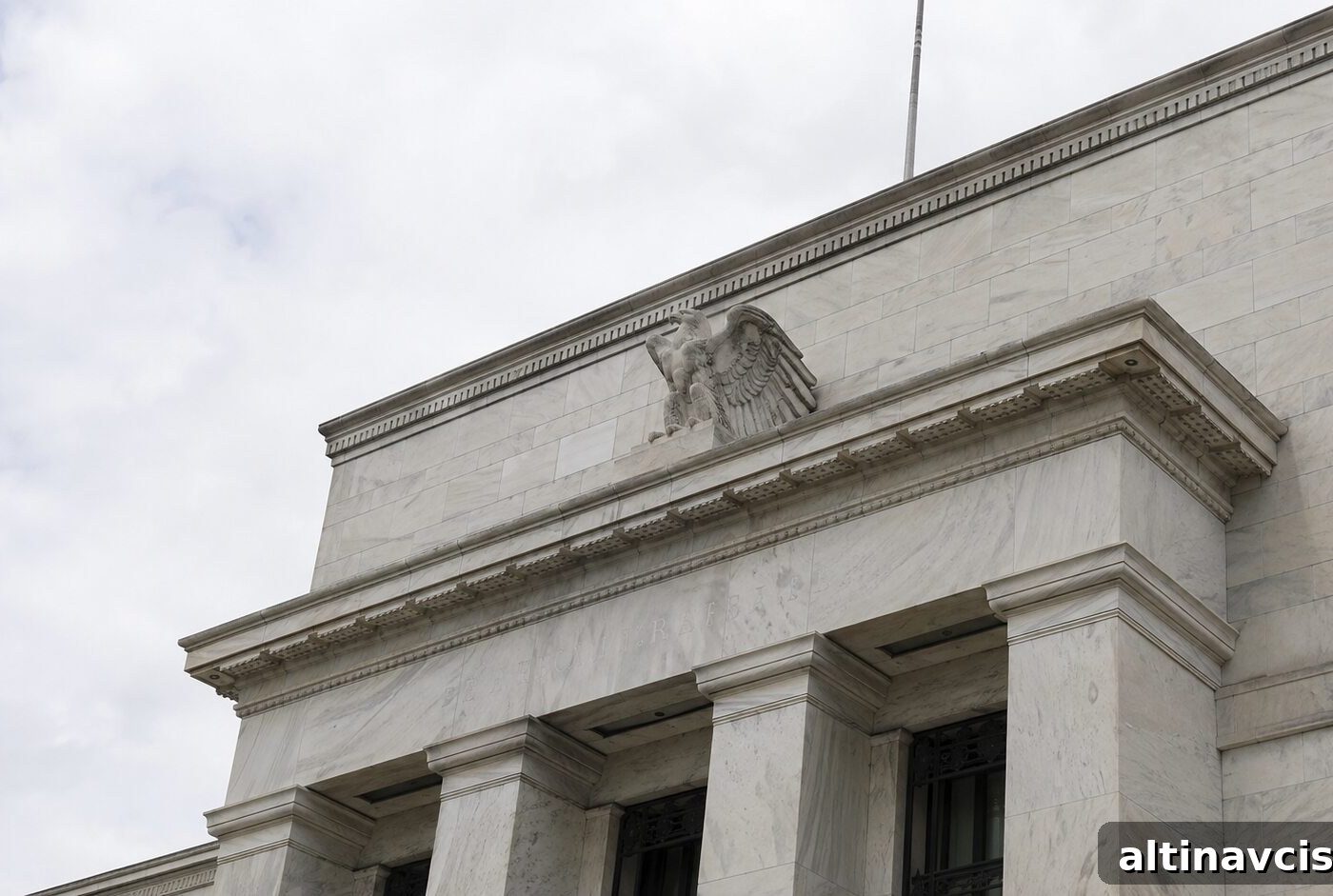
At the Federal Reserve’s July 29 meeting, the committee voted 9–3 to hold the federal funds rate. That split — with three officials preferring a hike — is the clearest concentrated hawkish dissent the FOMC has seen in nearly a decade. The three dissenters were Cleveland Fed President Beth Hammack, Minneapolis Fed President Neel Kashkari, and Dallas Fed President Lorie Logan. Each supported a quarter-point increase. Fed Chair Kevin Warsh described the internal exchange as a “good family fight” and has moved away from traditional forward guidance in Fed communications.
Tomorrow’s minutes (Wednesday, August 19 at 2:00 p.m. ET) will reveal how strongly the dissenters made their case and whether the majority resisted out of firm conviction or cautious reluctance. The crucial details are the specific language used: did the three dissenters tie their recommendation to persistent core inflation or to energy-driven risks such as disruptions in the Strait of Hormuz? Did any majority members express sympathy with the dissent or register concern about the same risks? Those nuances will shape market expectations heading into September.
Smarter precious metals investing starts here. The Nuggets Newsletter delivers market insights, Fed updates, trend analysis, and educational content tailored for investors.
What Do Three Fed Dissents Actually Signal?
A single FOMC dissent is common; two is noteworthy; three dissenting votes all aimed at the same outcome is the clearest internal warning short of an actual rate move. Put simply: the committee’s decision to pause was not unanimous in spirit. One-quarter of the voters actively preferred a hike. That suggests the majority preserved the status quo narrowly against a cohesive, hawkish minority.
The minutes must clarify whether the majority was firmly convinced to hold or whether it barely held together. If the record shows majority members were reluctant and debating actively, that opens the door to a renewed push for hikes in September. Conversely, if the minutes show the majority was broadly comfortable with a pause, that reinforces the market’s recent repricing.
Why Did September Hike Odds Collapse — and What Does It Mean for Gold?
Three consecutive data releases since the July 29 meeting weakened the case for a September hike:
- July nonfarm payrolls posted a decline of 23,000 jobs versus consensus expectations for a gain (the first monthly contraction in years).
- July CPI softened to 0.1% month-over-month and 3.4% year-over-year, with core CPI at 2.5%, all below estimates.
- July retail sales fell 0.6% when a 0.1% increase had been expected.
Consequently, probability of a September rate increase dropped from roughly 57% on the day of the FOMC decision to about 31% by mid-August. At the same time, spot gold rose from a post-FOMC low near $4,072 to around $4,392 — a gain of more than $320 in three weeks. This move was largely driven by the repricing of rate expectations in paper markets (futures and ETFs), where the opportunity cost of holding non-yielding gold falls when the odds of higher short-term yields decline.
That repricing affects paper gold directly; the structural investment case for physical gold — as a store of value and hedge against long-term monetary debasement — remains distinct from short-term Fed-driven moves. Physical metal held outside the financial system does not yield interest and is bought for longer-term purchasing-power preservation rather than immediate rate-cycle bets.
What Should Gold Investors Watch in Tomorrow’s Minutes?
Five items in the minutes deserve particular attention:
- How the dissenters framed their objections. Were their arguments tied to energy-driven inflation risk (Hormuz and oil price risk) or to persistent core inflation? Energy risk can fade if oil stabilizes; persistent core inflation is harder to dismiss.
- Language from Governor Waller. He voted to hold but has signaled inflation concerns publicly. If the minutes show he nearly dissented, that could make September live again.
- Whether the majority’s view is described as unified or diverse. Minute wording such as “generally comfortable” versus “watching incoming data closely” indicates different degrees of conviction.
- Any emphasis on energy-price risk. If staff and members were already factoring a possible energy shock into deliberations, the hawkish tail risk remains present and could reappear if oil prices rise.
- Notable absences. Chair Warsh has removed forward guidance from official communications. Lack of any language suggesting a preferred rate path or stance — especially from a Chair who has chosen silence deliberately — is itself informative.
Why Does Jackson Hole Matter More Than These Minutes?
Although historical precedent shows three like-minded dissents can signal future hikes (in 2016 the dissenters’ view matched later action), for gold investors the key event is Chair Warsh’s Jackson Hole speech on August 28. That address is the only formal, high-profile opportunity to gauge his policy framework before the September 16 FOMC meeting.
Warsh has avoided telegraphing policy changes in advance, so Jackson Hole could be decisive. If he emphasizes the need for sustained progress on core inflation before easing the stance, markets will likely treat September as a genuine hold. If he highlights geopolitical energy risks tied to Hormuz and signals concern about renewed oil-driven inflation, September could become live again. In that case, August’s employment report (released September 4) and August CPI (released September 10) would carry extra weight ahead of the September decision.
In short, tomorrow’s minutes are an important data point; Jackson Hole is the broader policy signal that markets will weigh most heavily.
What Does Not Change?
The primary near-term downside for gold is clear: hot readings in the August jobs report or CPI could reverse the recent repricing, lift real yields, and pressure paper gold. That remains a realistic risk.
What does not change is the long-term rationale for holding physical gold: supply-side shocks, government fiscal burdens, and multi-year pressures on purchasing power are not solved by a single FOMC vote. Structural forces such as rising government interest expenses and long-term shifts in reserve currency dynamics operate over years, not months.
Sources
1. Bureau of Labor Statistics — The Employment Situation, July 2026 (August 7, 2026).
2. CME Group — FedWatch Tool: Federal Funds Rate Probabilities (August 17, 2026).
3. Federal Reserve — Annual Report: Financial Statements, Q3 2025.
4. GoldSilver — Gold and Silver Spot Price Charts (August 18, 2026).
Disclaimer: This article is for informational purposes only and does not constitute investment advice. Past performance is not an indicator of future results. Consult a qualified financial advisor before making investment decisions.
You May Also Like:
- Why Is Gold Not Going Up? The Bears Vanished in June
- JP Morgan Just Flagged a Silver Demand Warning. Silver Rose Anyway. Here Is Why
- Gold Needed One Thing to Break $4,400. It Just Got Five of Them.
- Zero Tankers Crossed Hormuz on Sunday. Oil Hit $89. Gold Barely Moved.
- Gold Rebounds to $4,392 as Sentiment Crashes to 51 and Inflation Expectations Rise
- Gold Price and the September Fed Pivot: Five Data Prints Rewrote the Odds This Week
Popular Topics
Picked from the archive
-
01
 Topics
Gold Prices Stabilize Amid Saudi-Iran Tensions
-
02
Topics
Why Gold Held Steady After Trump’s Economic Pressure on Iran
-
03
Topics
Oil Drops 11% as Gold Rises: What Investors Need to Know
-
04
Topics
3 Questions Investors Must Ask Before Buying Any Asset in 2026
-
05
Topics
Silver Surges Past $70 Amid Conflicting GDP Data
-
06
Topics
What’s Moving Gold and Silver Prices This Week
-
07
Topics
How FOMC Minutes and Jackson Hole Could Move Gold
-
08
Topics
Two Investors Ran Debt Math Separately and Chose 15 Percent Gold