3 Questions Investors Must Ask Before Buying Any Asset in 2026
Most investors don’t lose money because they picked the wrong ticker or mistimed the market. They lose money because they never learned a repeatable method for choosing investments. Instead of relying on tips or chasing headlines, you need a clear framework that helps you judge any asset on fundamentals, not emotion.
Markets are noisy—political unrest, volatility, and constant financial commentary make it easy to react impulsively. What cuts through that noise is a simple checklist you can apply to gold, silver, stocks, bonds, real estate, crypto, or any other asset. Alan Hibbard, senior analyst at GoldSilver, teaches a practical approach focused on asking the right questions before you commit capital. It’s not about forecasting every move; it’s about making decisions with conviction and a margin of safety.
Below are the three essential questions Alan uses to evaluate any asset. Use them as your investment checklist and you’ll improve the quality of your decisions immediately.
1. Is this asset true money, or just another currency?
Start by distinguishing Layer 1 money—assets that store value independently—from currencies that rely on promises by institutions or networks. This difference defines risk and suitability for long-term wealth preservation.
How to tell them apart:
- Money: Holds value on its own. It doesn’t require an institution to “back” it. Examples historically include gold and silver, which retain intrinsic value without a counterparty.
- Currency: Requires trust in a system. Bank deposits, credit networks, many stablecoins, and most fiat instruments depend on governments, banks, or companies to maintain value.
If an asset’s value depends on an intermediary, central bank, or corporate guarantee, it’s a currency—not true money. That creates counterparty risk: the possibility that the party supporting the asset fails to uphold its promise.
Why this matters: only Layer 1 assets that are self-storing can reliably serve as long-term stores of value. Everything else introduces additional points of failure that can erode wealth over time.
2. What trade-off is this asset making — and is it right for your goals?
Every asset involves trade-offs. No investment can be completely decentralized, maximally secure, and infinitely scalable all at once. You usually get to prioritize two of those attributes.
- Security + decentralization: Precious metals like gold and silver prioritize these qualities but sacrifice everyday convenience and scalability.
- Security + decentralization (digital form): Bitcoin aims for similar trade-offs—strong decentralization and security at the cost of high scalability for daily payments.
- Scalability: Currencies and payment systems favor scalability and ease of use, but they often require centralized infrastructure and therefore greater counterparty exposure.
Ask yourself: which attributes do you need right now? If your priority is preserving purchasing power over decades, security and decentralization should dominate. If you need liquidity and everyday usability, you’ll accept the trade-offs that come with currency and payment networks.
Knowing the trade-off clarifies an asset’s role in your plan—whether it belongs at the base of your portfolio or higher up as a liquidity or growth tool.
3. Does this asset strengthen—or weaken—the foundation of your financial life?
Think of your financial picture as a pyramid. The base needs reliable, durable assets that resist inflation, retain purchasing power, and don’t depend on third parties. These foundation assets preserve value across cycles and crises.
Above that foundation you can layer growth assets, income producers, and selective speculative positions. But a shaky base undermines everything built on top of it.
Key questions to evaluate foundation suitability:
- Does this asset reliably store value over long periods?
- Is it susceptible to inflation, dilution, or policy-driven devaluation?
- Does it depend on institutions or counterparties to retain value?
- Would it lose its value if the entity behind it failed or policy changed?
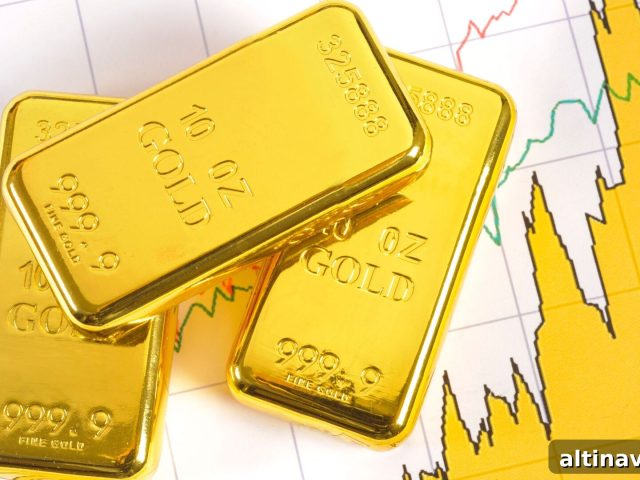
Assets that conserve value belong at the base of the pyramid. Historically, physical gold and silver qualify as foundation assets. Certain decentralized digital assets aiming for true money characteristics may also play a role, but they bring unique risks and volatility that should be considered.
If your goal is to protect and grow wealth across decades, start by ensuring your foundation is solid before you move on to higher-risk or higher-return allocations.
A framework that works in any market
You don’t need a finance degree or a crystal ball to make disciplined investment choices. What you need is a repeatable process that forces you to evaluate assets on objective criteria: whether they are true money, which trade-offs they make, and whether they strengthen your financial foundation.
These three questions are intentionally simple so you can apply them quickly and consistently. They form the backbone of Alan Hibbard’s decision-making approach and are the same questions professional investors use to position portfolios for both protection and long-term growth.
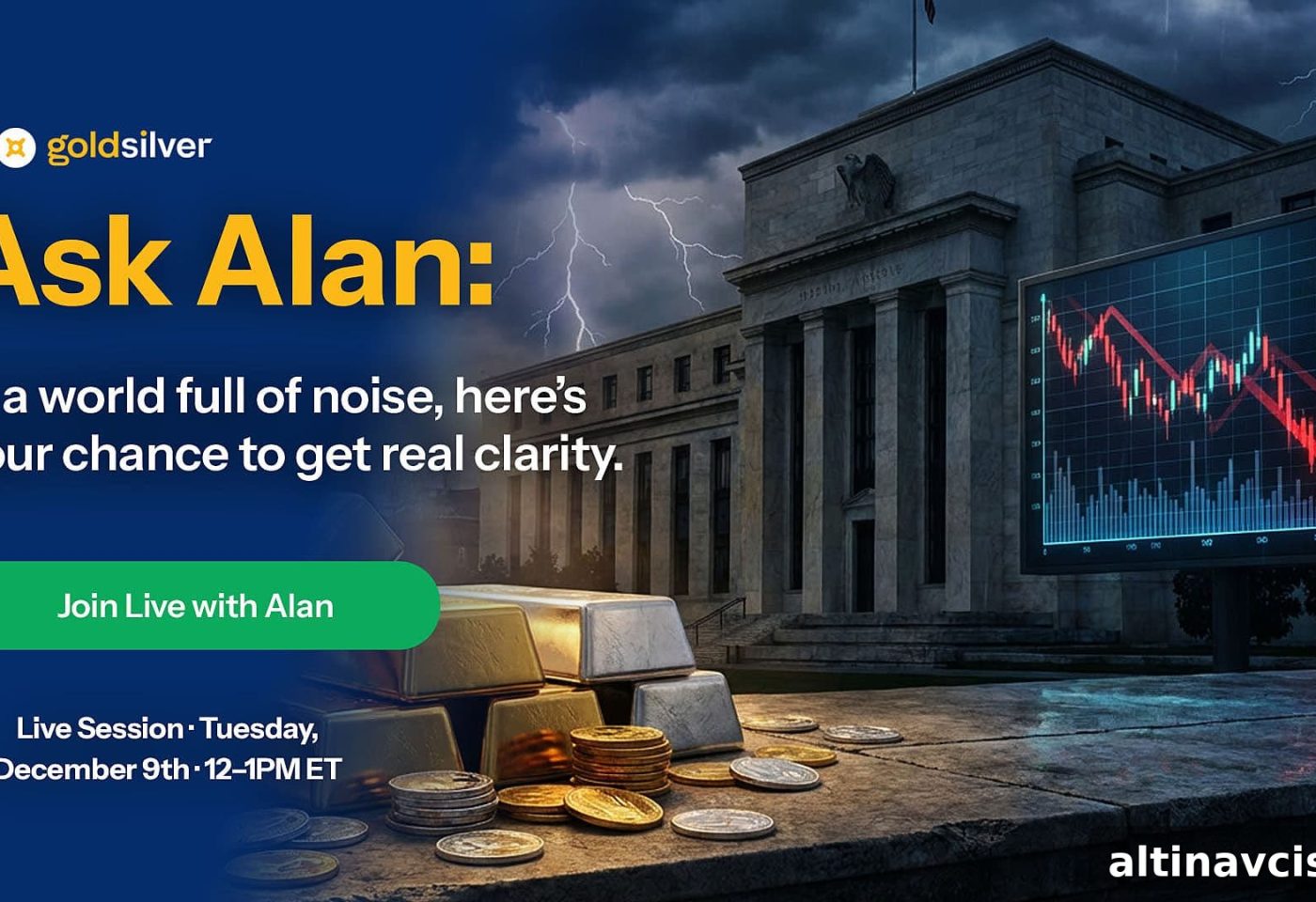
If you want to see this framework applied to real assets—gold, silver, Bitcoin, stocks, and bonds—consider attending a live session where the analyst breaks down examples and answers practical questions. A live walkthrough helps translate theory into actionable steps for your own portfolio.
People also ask
What’s the difference between money and currency?
Money stores value independently and does not require a third party to validate it; examples traditionally include physical gold and silver. Currency depends on institutions, governments, or networks to maintain value. That dependency introduces counterparty risk and can affect long-term purchasing power.
What should be at the foundation of my investment portfolio?
The foundation should consist of assets that preserve purchasing power, resist inflation, and remain valuable without relying on external guarantees. Precious metals often fulfill that role. Once the foundation is secure, you can add growth-targeted and income-producing assets above it.
Why do investors choose gold and silver over other assets?
Investors often favor gold and silver because these metals emphasize decentralization and security. They have a long history as stores of value and can act as a stabilizing anchor during periods of economic distress, protecting wealth from institutional failures and severe policy shifts.
How do I know if an investment is too risky?
Assess whether the asset depends on counterparty performance, institutional guarantees, or government policy. If it does, it carries systemic risk. For many investors, holding some assets that don’t rely on third parties—so-called foundation assets—reduces overall portfolio risk.
Should I invest in gold or silver in 2026?
If your priority is protecting wealth from inflation, currency debasement, and broad economic volatility, allocating to foundation assets such as gold and silver can be a prudent step. They tend to offer stability that complements growth-oriented holdings and adds resilience to a diversified portfolio.
The financial system isn’t inherently safer — and you can see why
As systemic risks grow, many investors look to gold and silver for long-term stability and crisis protection.
Popular Topics
Picked from the archive
-
01
 Topics
Treasury Yields Flat Amid Jobs Slump and Trump Policy Chaos
-
02
Topics
HSBC Survey: Gold Allocations Surge from 5% to 11%
-
03
Topics
Silver Price Nears $50: Will It Break Its All-Time High?
-
04
Topics
Treasury Secretary Urges Fed Rate Cut After Revised Jobs Report
-
05
Topics
Record-High Gold Prices: What New Investors Should Do
-
06
Topics
Gold Price 3,767 USD: Fed Rift Deepens as China Eyes Share
-
07
Topics
Silver Price Hits Highest Level Since 2012 as Demand Surges
-
08
Topics
Recession Risk Has Tripled, New Warning Sign Shows